Hello world!
Welcome to WordPress. This is your first post. Edit or delete it, then start writing!

Welcome to WordPress. This is your first post. Edit or delete it, then start writing!
The Heritage Journal Scented Past India’s Aromatic Heritage Did you know that Shah Rukh Khan, the King of Bollywood, has a signature scent?He cleverly mixes Diptyque with Dunhill, creating a unique fragrance that’s unmistakably his. This modern blend is actually a nod to an ancient Indian tradition. Yes, you read that right! Our ancestors were masters of aroma, blending natural essences long before it became a global trend. 3300 BCE – 1300 BCE The Earliest Distillers Imagine walking through the bustling streets of the Indus Valley Civilization, where the air is filled with the scents of exotic spices and fragrant oils. It’s like stepping into an ancient marketplace brimming with the world’s earliest perfumes. Can you believe that the art of perfume making in India dates back as far as 3300 BCE to 1300 BCE? Incredibly, archaeologists have uncovered a terracotta distillation apparatus and oil containers during excavations in the western and north-western parts of India. These discoveries, carbon-dated to around 3000 BCE, reveal that our ancestors were already distilling perfumes thousands of years ago. Sacred Scents in Ancient Texts The Rig Veda, one of the oldest texts in the world, mentions the word “sugandhi,” which means “well perfumed.” But the fascination with scents doesn’t stop there. You’ll find expressions involving the term “gandha” (meaning fragrance) woven throughout ancient texts like the Taitriya Samhita, Maitrayani Samhita, Satapata Brahmana, and Taitriya Aranyaka. The tradition of creating perfumes wasn’t just a craft; it was an art documented in ancient Ayurvedic texts like the “Charaka Samhita” and “Sushruta Samhita,” written between the 6th and 2nd centuries BCE. These texts don’t just discuss medicine—they delve into the luxurious manufacture of perfumes for royalty and their harems. Charaka Samhita on Perfumeवृष्यं सौगन्ध्यमायुष्यं काम्यं पुष्टिबलप्रदम् । सौमनस्यं अलक्ष्मीघ्नं गन्धमाल्य निषेवणम् ॥”The use of scents enhances body fragrance, and improves longevity and charm. It contributes to a healthy, strong body, brings pleasure to the mind, and wards off bad luck.” The Brihat Samhita The Alchemy of Gandhayukti Imagine flipping through the pages of an ancient manuscript and stumbling upon a treasure trove of secrets from the past. That’s exactly what Varaha Mihira’s Brihat Samhita is—a fascinating 6th-century guide that dives deep into the art of perfume making. He doesn’t just list ingredients like sandalwood, musk, camphor, and a medley of exotic spices; he walks you through the meticulous process of extracting essential oils and blending them. He devised six sophisticated chemical processes for creating cosmetic substances: 01 Bhavanam Infusion 02 Pacanam / Paka Cooking or Decoction 03 Bodhah Awakening or Extraction 04 Vedhah Penetration or Infusion 05 Dhupanam Fumigation 06 Vasanam Perfumation The Royal Harems Sultanates & Mughals During the Sultanates and Mughal period, perfumes, known as ‘itra,’ ‘ittar,’ or ‘attar,’ were lavishly used in royal harems. Queen Noorjahan is famously rumored to have crafted a unique ‘itra’ blending over 50 different rose essences with five types of sandalwood oils. This era saw a flourishing trade that spread the allure of Indian fragrances far and wide, reaching distant lands such as Iran, Egypt, Turkey, the Arab world, and Afghanistan. The Essence Lives On Today, Kannauj is renowned worldwide for its distinctive attars and perfumes. The city has gained international acclaim for producing these fragrances on an industrial scale, all while using the traditional hydro distillation process. This legacy, born from the ingenuity of our ancestors, continues to captivate hearts and senses, proving that the art of perfume-making is not just a modern trend, but a timeless tradition deeply rooted in our cultural DNA. Let’s connect to our roots and cherish our legacy.
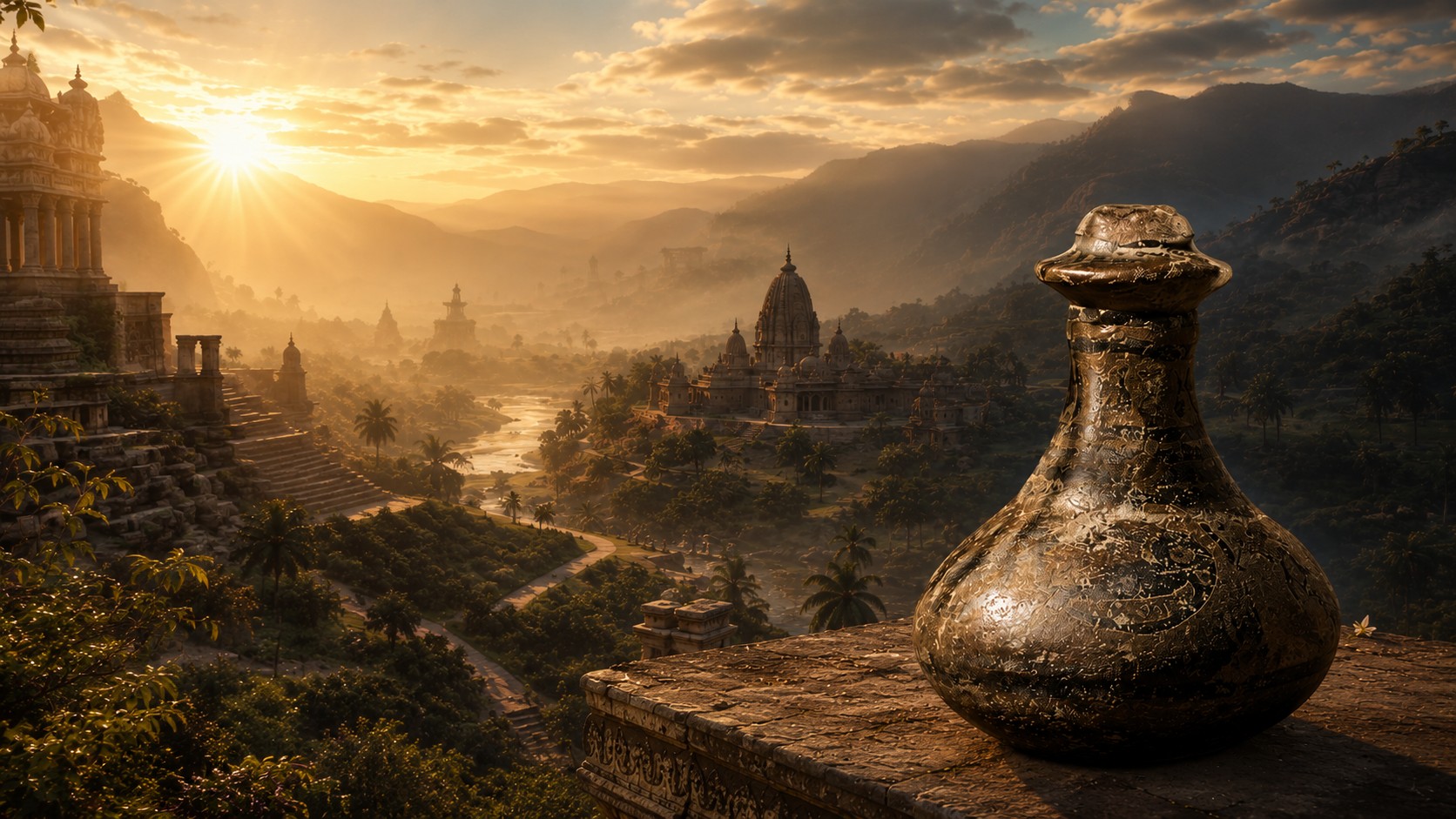
India’s Aromatic Heritage Scented Past A journey from one modern signature scent into five thousand years of Indian perfumery. 01 Shah Rukh Khan’s much-discussed blend of Diptyque and Dunhill is not just a celebrity detail. It is a doorway into an older Indian instinct: to remember identity, ritual, power, and place through fragrance. Begin the trail 01 Signature 02 Origin 03 Texts 04 Science 05 Courts 06 Legacy A superstar’s signature fragrance feels modern, but the impulse behind it is ancient. India has long treated scent as memory made visible.The spark It begins with an arresting contrast: a Bollywood icon, perfume bottles, and an archaeological vessel. Recognition draws us in, then quietly reveals that celebrity scent-making has a civilizational echo. Yes, you read that right. Our ancestors were masters of aroma, blending natural essences long before fragrance became a global lifestyle language. 3300 BCE – 1300 BCE Before perfume was luxury, it was technology. Imagine walking through the bustling streets of the Indus Valley Civilization, where the air is filled with the scents of exotic spices and fragrant oils. It is like stepping into an ancient marketplace brimming with the world’s earliest perfumes. The story deepens with evidence: a terracotta distillation apparatus and oil containers uncovered in western and north-western India, pointing to a culture already experimenting with extraction, storage, and aroma. Archaeology becomes scent memory. Carbon-dated discoveries around 3000 BCE suggest that perfume-making in India was not a late luxury. It was part of an early material intelligence. 02 Distillation Apparatus Archaeological visual placeholderHarappan terracotta distillation equipment, Taxila excavation. The sacred vocabulary Fragrance enters scripture. The Rig Veda, one of the oldest texts in the world, mentions the word “sugandhi,” meaning “well perfumed.” The fascination with scents does not stop there. Expressions involving “gandha,” meaning fragrance, appear through the Taitriya Samhita, Maitrayani Samhita, Satapata Brahmana, and Taitriya Aranyaka. In Ayurvedic traditions such as the Charaka Samhita and Sushruta Samhita, perfume is more than adornment. It becomes connected to charm, vitality, pleasure, medicine, and courtly life. 03 Sacred Text Panel Charaka Samhita visual space Charaka Samhita on Use of Perfume वृष्यं सौगन्ध्यमायुष्यं काम्यं पुष्टिबलप्रदम् । सौमनस्यं अलक्ष्मीघ्नं गन्धमाल्य निषेवणम् ॥ “The use of scents enhances body fragrance, and improves longevity and charm. It contributes to a healthy, strong body, brings pleasure to the mind, and wards off bad luck.” The Brihat Samhita The ancient laboratory of scent. Varaha Mihira’s Brihat Samhita turns fragrance into a system. The trail moves from manuscript to workshop: text, ingredients, extraction, process, and transformation. He does not simply list sandalwood, musk, camphor, spices, and herbs. He describes a disciplined craft of extracting essential oils and harmoniously blending them into fragrant substances. 04 Perfume Workshop Process and transformationThe workshop as ritual and science. 01 Bhavanam Infusion 02 Pacanam / Paka Cooking or decoction 03 Bodhah Awakening or extraction 04 Vedhah Penetration or infusion 05 Dhupanam Fumigation 06 Vasanam Perfumation The royal harems Fragrance becomes courtly power. During the Sultanates and Mughal period, perfumes known as ‘itra,’ ‘ittar,’ or ‘attar’ were lavishly used in royal harems. Queen Noorjahan is famously rumored to have crafted a unique ‘itra’ blending over 50 rose essences with five types of sandalwood oils. 05 Royal Court Scene Mughal fragrance cultureCourtly fragrance visual placeholder. This era saw a flourishing trade that carried Indian fragrances into Iran, Egypt, Turkey, the Arab world, and Afghanistan. Iran Egypt Turkey Arab world Afghanistan SP The living archive Kannauj keeps the fragrance alive. Today, Kannauj is renowned worldwide for its distinctive attars and perfumes. The city has gained international acclaim for producing these fragrances on an industrial scale while still preserving the traditional hydro-distillation process. Place A city known for translating flowers, herbs, woods, and earth into aroma. Method Hydro-distillation remains the bridge between ancient technique and contemporary perfume-making. Memory The scent is not only worn. It is inherited, traded, gifted, and remembered. This legacy, born from the ingenuity of our ancestors, proves that perfume-making is not just a modern trend, but a timeless tradition rooted in our cultural DNA.
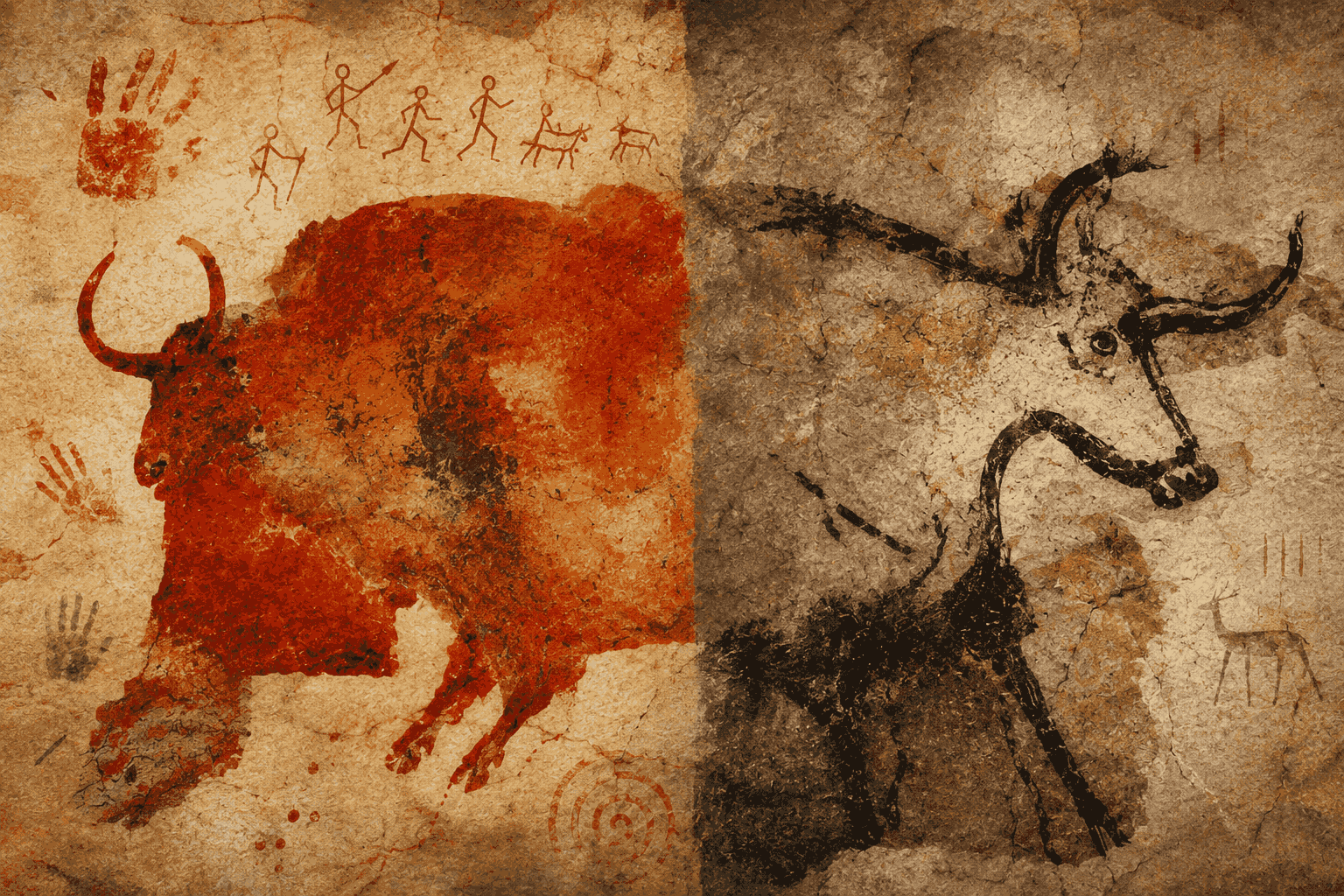
A Conversation Between Past and Present Heritage in Pop Culture!! Listen aloud Ever noticed how heritage seems to pop up in the most unexpected places? Heritage in pop culture is a vibrant dialogue bridging the past and present, weaving our roots into modern narratives. We see it everywhere: in movies, music, fashion, and even everyday expressions, blending tradition with the spirit of today. Movies: Heritage as a Time Machine Films have long been powerful vessels for storytelling and cultural preservation. In Bollywood, films like Lagaan and Jodhaa Akbar, Padmavat and as recent as Kalki do more than entertain; they invite us to experience India’s rich history. Lagaan transports us back to colonial India, capturing the resilience and unity of a rural village fighting for its independence through an intense cricket match. Jodhaa Akbar, on the other hand, brings Mughal India alive, delving into Emperor Akbar’s rule and his relationship with his Rajput queen, thus painting a vivid picture of India’s royal past. Even contemporary films like The Lunchbox highlight heritage in everyday life, capturing the intricate social fabric and cultural rhythm of Mumbai. Music: Melding Classical Roots with Contemporary Beats Music, with its emotional resonance, blends heritage with modernity in ways that are deeply engaging. Icons like A.R. Rahman and Ravi Shankar have paved the way for this fusion. Rahman’s compositions combine Indian classical elements with global influences, broadening the scope of Indian music for international audiences. Ravi Shankar introduced the soulful sound of the sitar to the world, making Indian classical music a global phenomenon. Today’s indie musicians, such as Prateek Kuhad, continue this trend, drawing inspiration from folk melodies and creating music that feels both timeless and new. This fusion not only keeps classical traditions alive but also introduces them to younger generations in a way that feels fresh and relatable. Fashion: Tradition Meets Innovation Fashion is perhaps the most visible example of heritage adapting to modern tastes. Designers like Sabyasachi Mukherjee & Anita Dongre are celebrated for their innovative approaches, reinterpreting traditional attire like sarees and lehengas with intricate embroidery, ancestral patterns, and natural dyes. Recently, even global icons like Barbie have embraced Indian heritage, showcasing cultural fusion as part of mainstream fashion. Meanwhile, brands like Bunkar and Chola make heritage textiles and motifs accessible for everyday wear, infusing traditional artistry into casual, streetwear looks. This blend of traditional and modern styles speaks to the adaptability and timeless appeal of Indian craftsmanship. Why This Fusion Matters This blending of heritage with pop culture is more than just a trend; it is a means of preserving our cultural heritage in a way that resonates with contemporary audiences. By weaving traditional elements into modern media, we keep our heritage relevant, educating people about our rich history and instilling pride in our roots. Moreover, these portrayals invite creative exploration, resulting in new forms of expression that enrich our cultural landscape. When heritage meets innovation, our traditions not only survive but thrive, adapting to today’s world while staying true to their essence. So next time you spot a traditional motif on a modern runway or hear echoes of classical music in a contemporary track, remember—it’s more than style or sound. It’s a celebration of our cultural heritage, an enduring tribute to the dynamism and resilience of our roots. heritage in pop culture is a vibrant and dynamic conversation between the past and the present. It’s about celebrating our roots while embracing our present and future, and it’s happening all around us including our thinking as well. So next time you catch a glimpse of traditional motifs on a modern runway or hear a classical tune in a contemporary track, remember, it’s not just a trend it’s a celebration of our rich cultural heritage.

i Trivia Trivia Add trivia content here. Add highlight text here. ? Did You Know? Did You Know? Add did you know content here. Add highlight text here. sdfsdfsdfs asfd asdf asdf fasfsadf sfd asdf asdf asdf asdf asdf asd f sadf asf asdf asdf asdf asdf asdf asfd asdfasdf sadfasdf asdf asdf asdfasfasfd asdf asdf asdf asdf The metaverse can be viewed as an evolution of today’s internet, which in turn evolved from passive media that we simply consumed. In the age of radio and television, the consumer’s only job was to listen and decide if they wanted to buy. What is Lorem Ipsum? Lorem Ipsum is simply dummy text of the printing and typesetting industry. Lorem Ipsum has been the industry’s standard dummy text ever since the 1500s, when an unknown printer took a galley of type and scrambled it to make a type specimen book. It has survived not only five centuries, but also the leap into electronic typesetting, remaining essentially unchanged Relationship & Communication But, like most politicians, he promised more than he could deliver. Why not indeed! Daylight and everything. And then the battle’s not so bad? Hello, little man. I will destroy you! No, I’m Santa Claus! Kif might! Man, I’m sore all over. I feel like I just went ten rounds with mighty Thor. I found what I need. And it’s not friends, it’s things. Then we’ll go with that data file! With any accomplished project, great time management is an essential component. We business owners hire product designers, they expect them to not only perform well, but also on time. At Stan Vision, we provide you with an experienced design team, led by an expert PM who knows how to prioritise your platform and product. What is Lorem Ipsum? Lorem Ipsum is simply dummy text of the printing and typesetting industry. Lorem Ipsum has been the industry’s standard dummy text ever since the 1500s, when an unknown printer took a galley of type and scrambled it to make a type specimen book. It has survived not only five centuries, but also the leap into electronic typesetting, remaining essentially unchanged
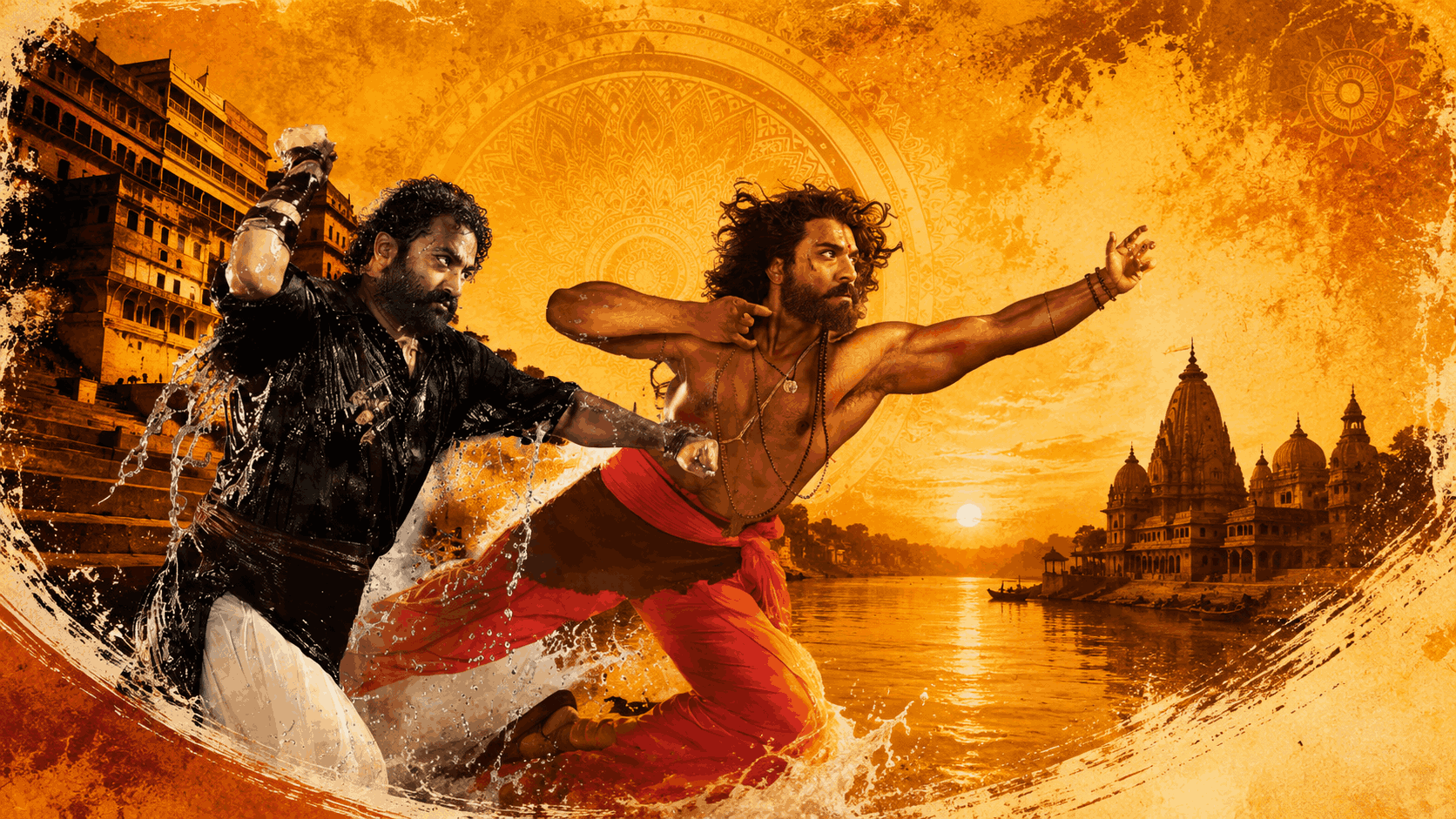
A Conversation Between Past and Present Heritage in Pop Culture!! Listen aloud Ever noticed how heritage seems to pop up in the most unexpected places? Heritage in pop culture is a vibrant dialogue bridging the past and present, weaving our roots into modern narratives. We see it everywhere: in movies, music, fashion, and even everyday expressions, blending tradition with the spirit of today. Movies: Heritage as a Time Machine Films have long been powerful vessels for storytelling and cultural preservation. In Bollywood, films like Lagaan and Jodhaa Akbar, Padmavat and as recent as Kalki do more than entertain; they invite us to experience India’s rich history. Lagaan transports us back to colonial India, capturing the resilience and unity of a rural village fighting for its independence through an intense cricket match. Jodhaa Akbar, on the other hand, brings Mughal India alive, delving into Emperor Akbar’s rule and his relationship with his Rajput queen, thus painting a vivid picture of India’s royal past. Even contemporary films like The Lunchbox highlight heritage in everyday life, capturing the intricate social fabric and cultural rhythm of Mumbai. Music: Melding Classical Roots with Contemporary Beats Music, with its emotional resonance, blends heritage with modernity in ways that are deeply engaging. Icons like A.R. Rahman and Ravi Shankar have paved the way for this fusion. Rahman’s compositions combine Indian classical elements with global influences, broadening the scope of Indian music for international audiences. Ravi Shankar introduced the soulful sound of the sitar to the world, making Indian classical music a global phenomenon. Today’s indie musicians, such as Prateek Kuhad, continue this trend, drawing inspiration from folk melodies and creating music that feels both timeless and new. This fusion not only keeps classical traditions alive but also introduces them to younger generations in a way that feels fresh and relatable. Fashion: Tradition Meets Innovation Fashion is perhaps the most visible example of heritage adapting to modern tastes. Designers like Sabyasachi Mukherjee & Anita Dongre are celebrated for their innovative approaches, reinterpreting traditional attire like sarees and lehengas with intricate embroidery, ancestral patterns, and natural dyes. Recently, even global icons like Barbie have embraced Indian heritage, showcasing cultural fusion as part of mainstream fashion. Meanwhile, brands like Bunkar and Chola make heritage textiles and motifs accessible for everyday wear, infusing traditional artistry into casual, streetwear looks. This blend of traditional and modern styles speaks to the adaptability and timeless appeal of Indian craftsmanship. Why This Fusion Matters This blending of heritage with pop culture is more than just a trend; it is a means of preserving our cultural heritage in a way that resonates with contemporary audiences. By weaving traditional elements into modern media, we keep our heritage relevant, educating people about our rich history and instilling pride in our roots. Moreover, these portrayals invite creative exploration, resulting in new forms of expression that enrich our cultural landscape. When heritage meets innovation, our traditions not only survive but thrive, adapting to today’s world while staying true to their essence. So next time you spot a traditional motif on a modern runway or hear echoes of classical music in a contemporary track, remember—it’s more than style or sound. It’s a celebration of our cultural heritage, an enduring tribute to the dynamism and resilience of our roots. heritage in pop culture is a vibrant and dynamic conversation between the past and the present. It’s about celebrating our roots while embracing our present and future, and it’s happening all around us including our thinking as well.So next time you catch a glimpse of traditional motifs on a modern runway or hear a classical tune in a contemporary track, remember, it’s not just a trend it’s a celebration of our rich cultural heritage.
The metaverse can be viewed as an evolution of today’s internet, which in turn evolved from passive media that we simply consumed. In the age of radio and television, the consumer’s only job was to listen and decide if they wanted to buy. What is Lorem Ipsum? Lorem Ipsum is simply dummy text of the printing and typesetting industry. Lorem Ipsum has been the industry’s standard dummy text ever since the 1500s, when an unknown printer took a galley of type and scrambled it to make a type specimen book. It has survived not only five centuries, but also the leap into electronic typesetting, remaining essentially unchanged Relationship & Communication But, like most politicians, he promised more than he could deliver. Why not indeed! Daylight and everything. And then the battle’s not so bad? Hello, little man. I will destroy you! No, I’m Santa Claus! Kif might! Man, I’m sore all over. I feel like I just went ten rounds with mighty Thor. I found what I need. And it’s not friends, it’s things. Then we’ll go with that data file! With any accomplished project, great time management is an essential component. We business owners hire product designers, they expect them to not only perform well, but also on time. At Stan Vision, we provide you with an experienced design team, led by an expert PM who knows how to prioritise your platform and product. What is Lorem Ipsum? Lorem Ipsum is simply dummy text of the printing and typesetting industry. Lorem Ipsum has been the industry’s standard dummy text ever since the 1500s, when an unknown printer took a galley of type and scrambled it to make a type specimen book. It has survived not only five centuries, but also the leap into electronic typesetting, remaining essentially unchanged

The metaverse can be viewed as an evolution of today’s internet, which in turn evolved from passive media that we simply consumed. In the age of radio and television, the consumer’s only job was to listen and decide if they wanted to buy. What is Lorem Ipsum? Lorem Ipsum is simply dummy text of the printing and typesetting industry. Lorem Ipsum has been the industry’s standard dummy text ever since the 1500s, when an unknown printer took a galley of type and scrambled it to make a type specimen book. It has survived not only five centuries, but also the leap into electronic typesetting, remaining essentially unchanged Relationship & Communication But, like most politicians, he promised more than he could deliver. Why not indeed! Daylight and everything. And then the battle’s not so bad? Hello, little man. I will destroy you! No, I’m Santa Claus! Kif might! Man, I’m sore all over. I feel like I just went ten rounds with mighty Thor. I found what I need. And it’s not friends, it’s things. Then we’ll go with that data file! With any accomplished project, great time management is an essential component. We business owners hire product designers, they expect them to not only perform well, but also on time. At Stan Vision, we provide you with an experienced design team, led by an expert PM who knows how to prioritise your platform and product. What is Lorem Ipsum? Lorem Ipsum is simply dummy text of the printing and typesetting industry. Lorem Ipsum has been the industry’s standard dummy text ever since the 1500s, when an unknown printer took a galley of type and scrambled it to make a type specimen book. It has survived not only five centuries, but also the leap into electronic typesetting, remaining essentially unchanged

The metaverse can be viewed as an evolution of today’s internet, which in turn evolved from passive media that we simply consumed. In the age of radio and television, the consumer’s only job was to listen and decide if they wanted to buy. What is Lorem Ipsum? Lorem Ipsum is simply dummy text of the printing and typesetting industry. Lorem Ipsum has been the industry’s standard dummy text ever since the 1500s, when an unknown printer took a galley of type and scrambled it to make a type specimen book. It has survived not only five centuries, but also the leap into electronic typesetting, remaining essentially unchanged Relationship & Communication But, like most politicians, he promised more than he could deliver. Why not indeed! Daylight and everything. And then the battle’s not so bad? Hello, little man. I will destroy you! No, I’m Santa Claus! Kif might! Man, I’m sore all over. I feel like I just went ten rounds with mighty Thor. I found what I need. And it’s not friends, it’s things. Then we’ll go with that data file! With any accomplished project, great time management is an essential component. We business owners hire product designers, they expect them to not only perform well, but also on time. At Stan Vision, we provide you with an experienced design team, led by an expert PM who knows how to prioritise your platform and product. What is Lorem Ipsum? Lorem Ipsum is simply dummy text of the printing and typesetting industry. Lorem Ipsum has been the industry’s standard dummy text ever since the 1500s, when an unknown printer took a galley of type and scrambled it to make a type specimen book. It has survived not only five centuries, but also the leap into electronic typesetting, remaining essentially unchanged

The metaverse can be viewed as an evolution of today’s internet, which in turn evolved from passive media that we simply consumed. In the age of radio and television, the consumer’s only job was to listen and decide if they wanted to buy. What is Lorem Ipsum? Lorem Ipsum is simply dummy text of the printing and typesetting industry. Lorem Ipsum has been the industry’s standard dummy text ever since the 1500s, when an unknown printer took a galley of type and scrambled it to make a type specimen book. It has survived not only five centuries, but also the leap into electronic typesetting, remaining essentially unchanged Relationship & Communication But, like most politicians, he promised more than he could deliver. Why not indeed! Daylight and everything. And then the battle’s not so bad? Hello, little man. I will destroy you! No, I’m Santa Claus! Kif might! Man, I’m sore all over. I feel like I just went ten rounds with mighty Thor. I found what I need. And it’s not friends, it’s things. Then we’ll go with that data file! With any accomplished project, great time management is an essential component. We business owners hire product designers, they expect them to not only perform well, but also on time. At Stan Vision, we provide you with an experienced design team, led by an expert PM who knows how to prioritise your platform and product. What is Lorem Ipsum? Lorem Ipsum is simply dummy text of the printing and typesetting industry. Lorem Ipsum has been the industry’s standard dummy text ever since the 1500s, when an unknown printer took a galley of type and scrambled it to make a type specimen book. It has survived not only five centuries, but also the leap into electronic typesetting, remaining essentially unchanged












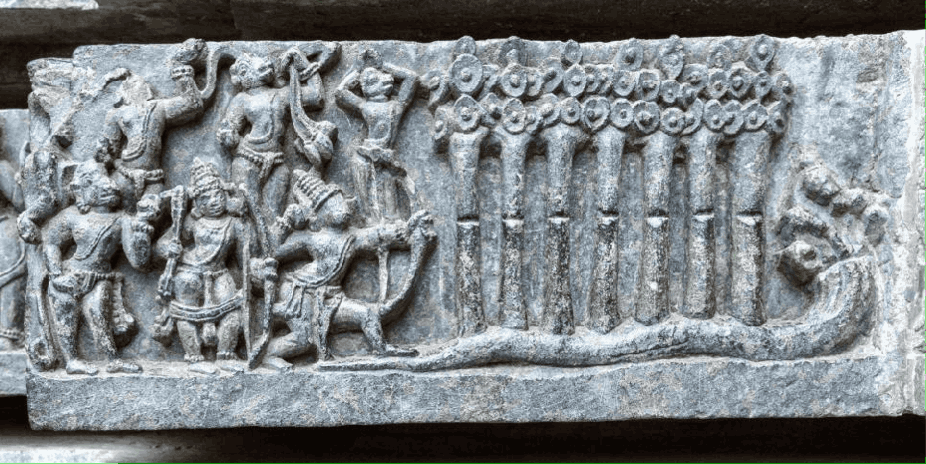
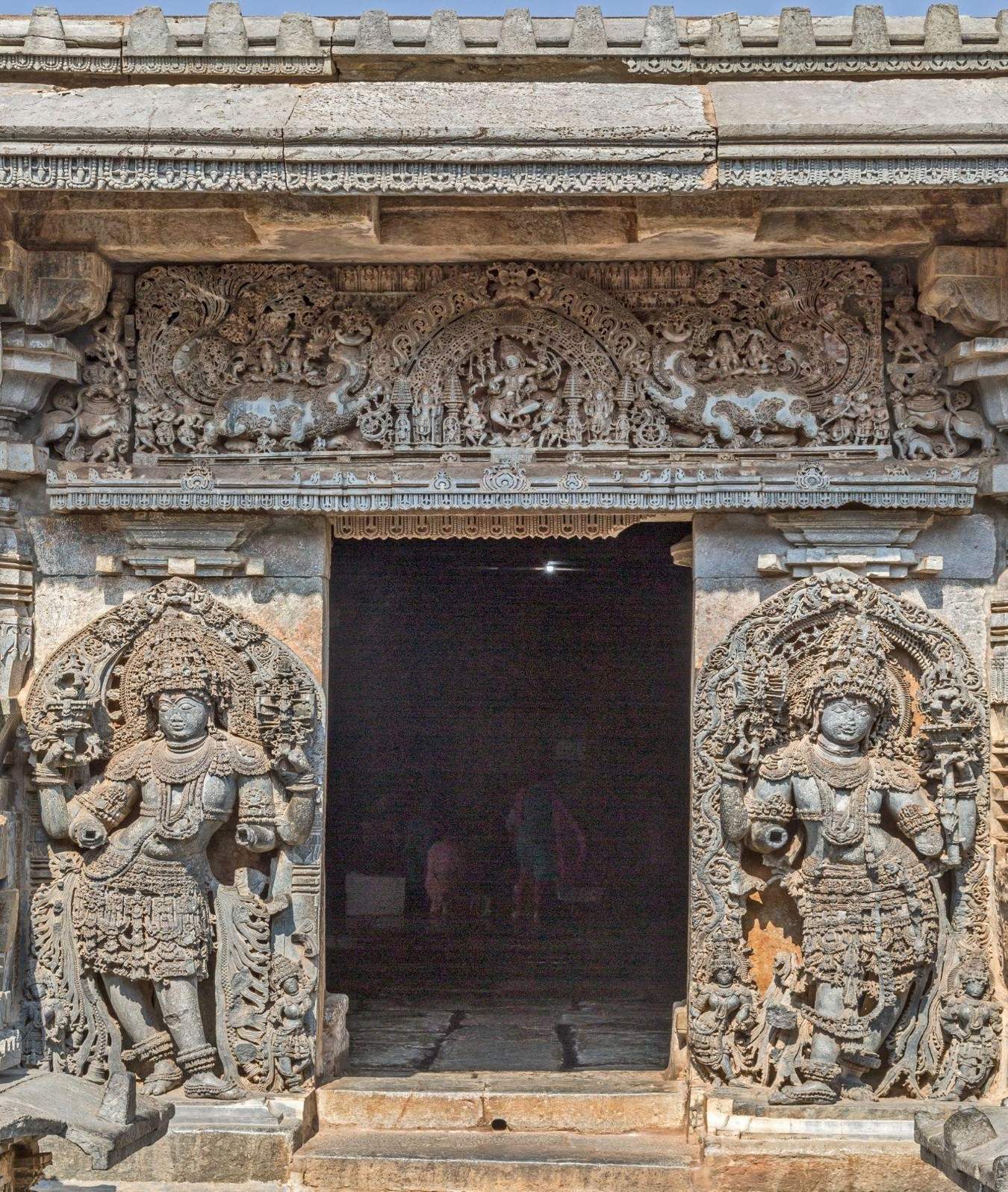
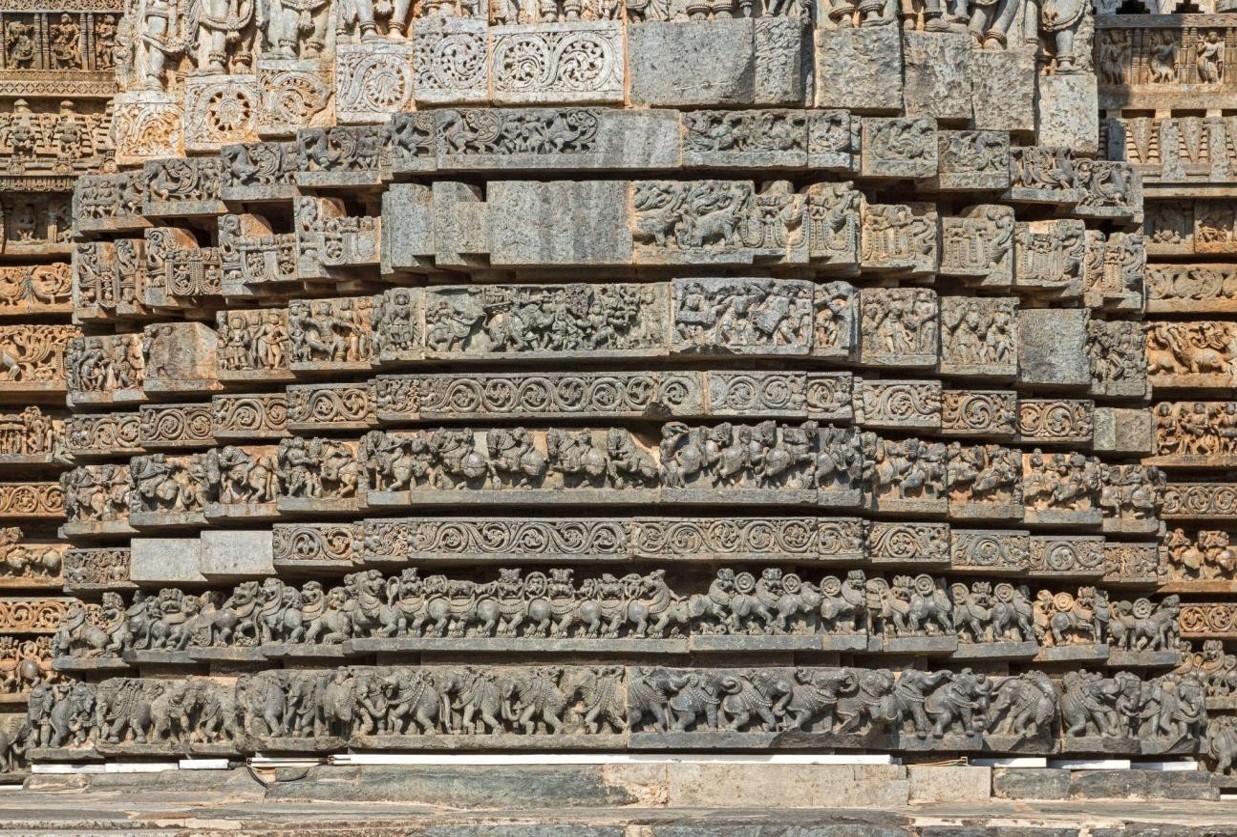
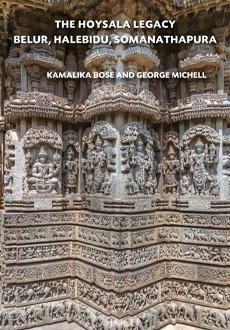
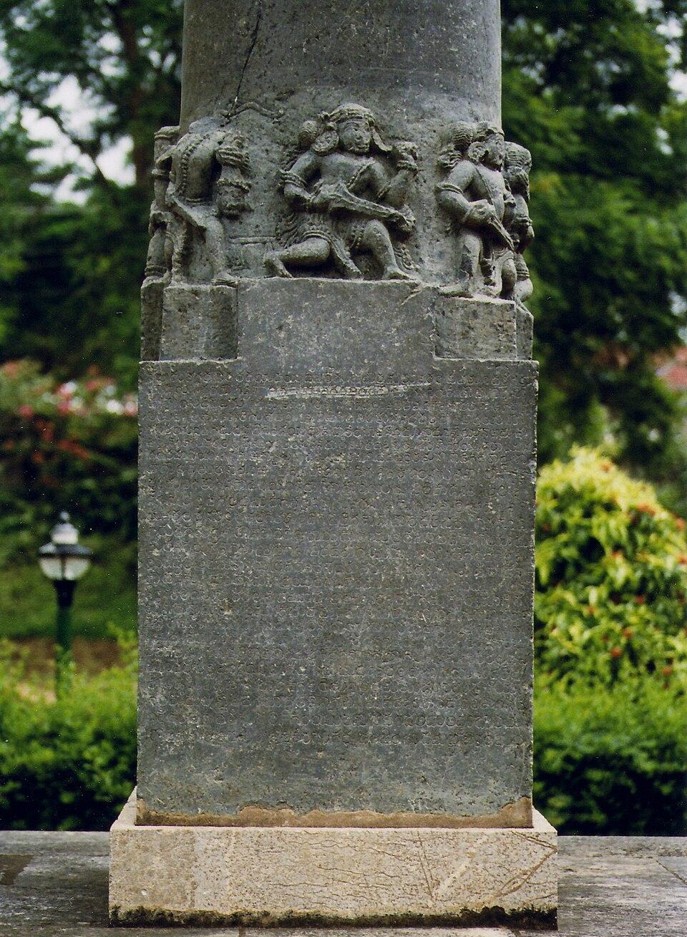
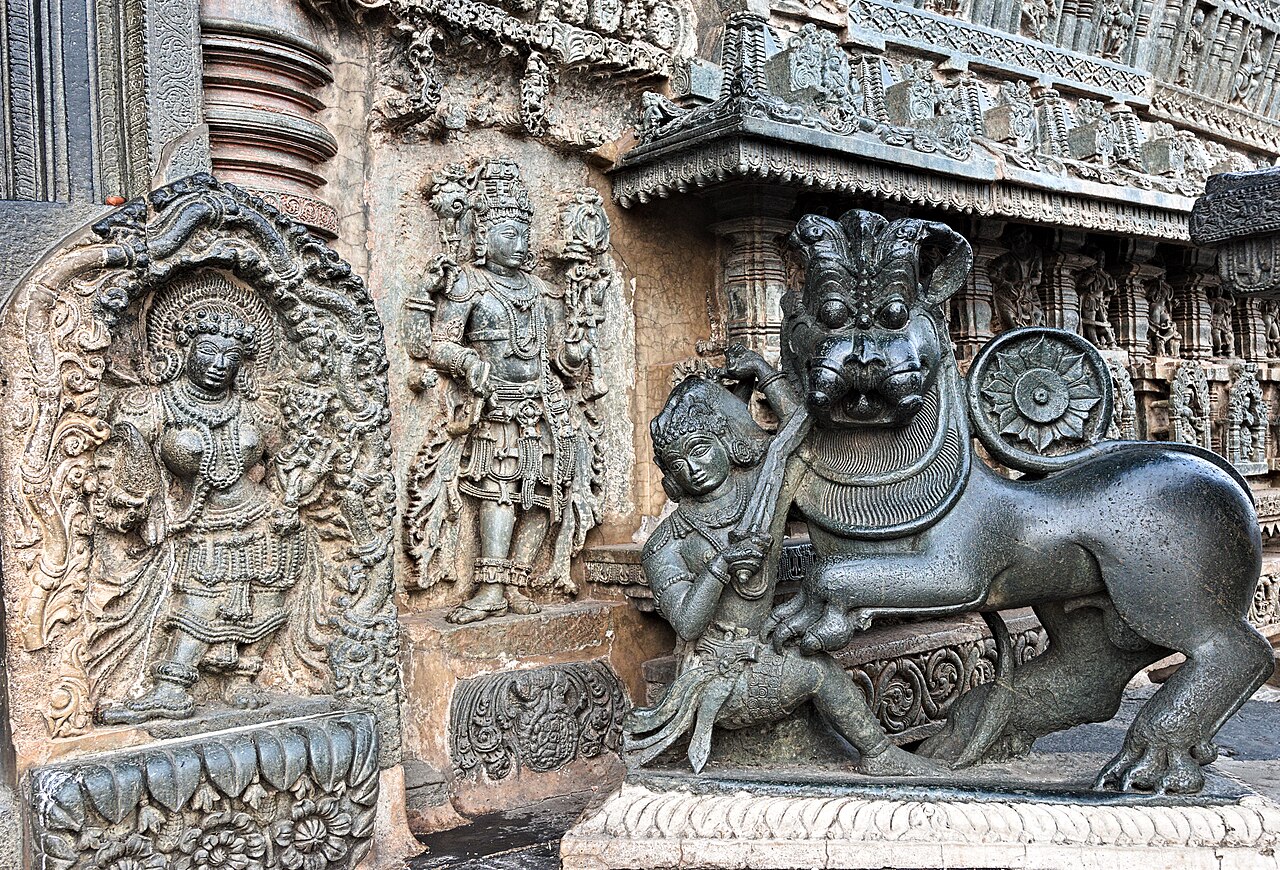
Belur, 12th Century CE
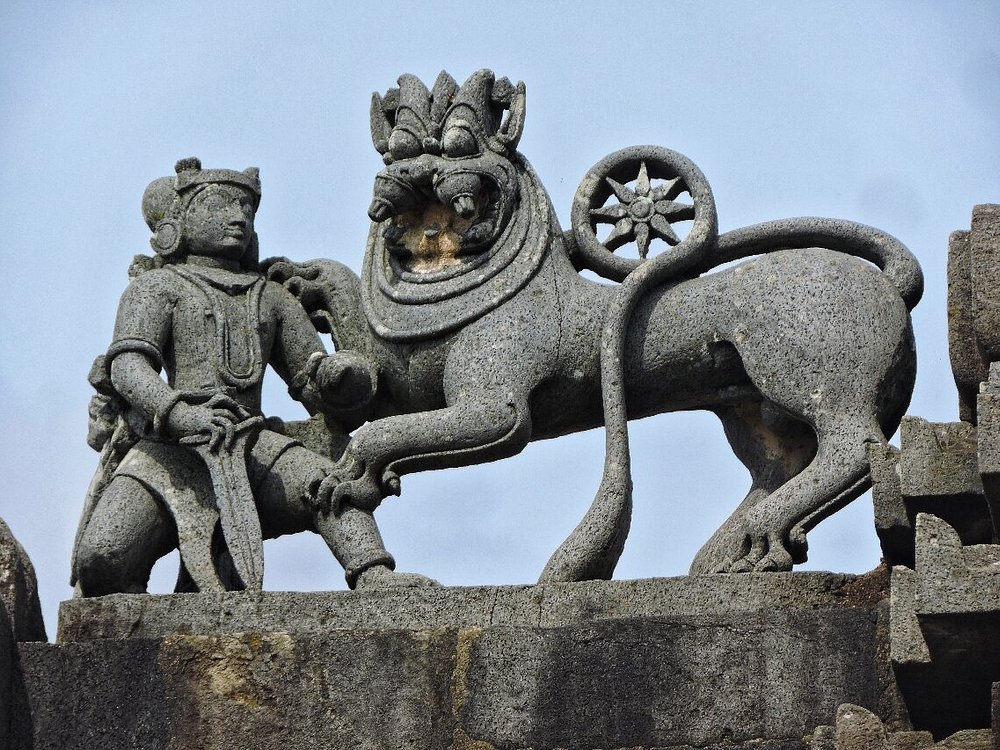
Doddagaddavalli, Hassan
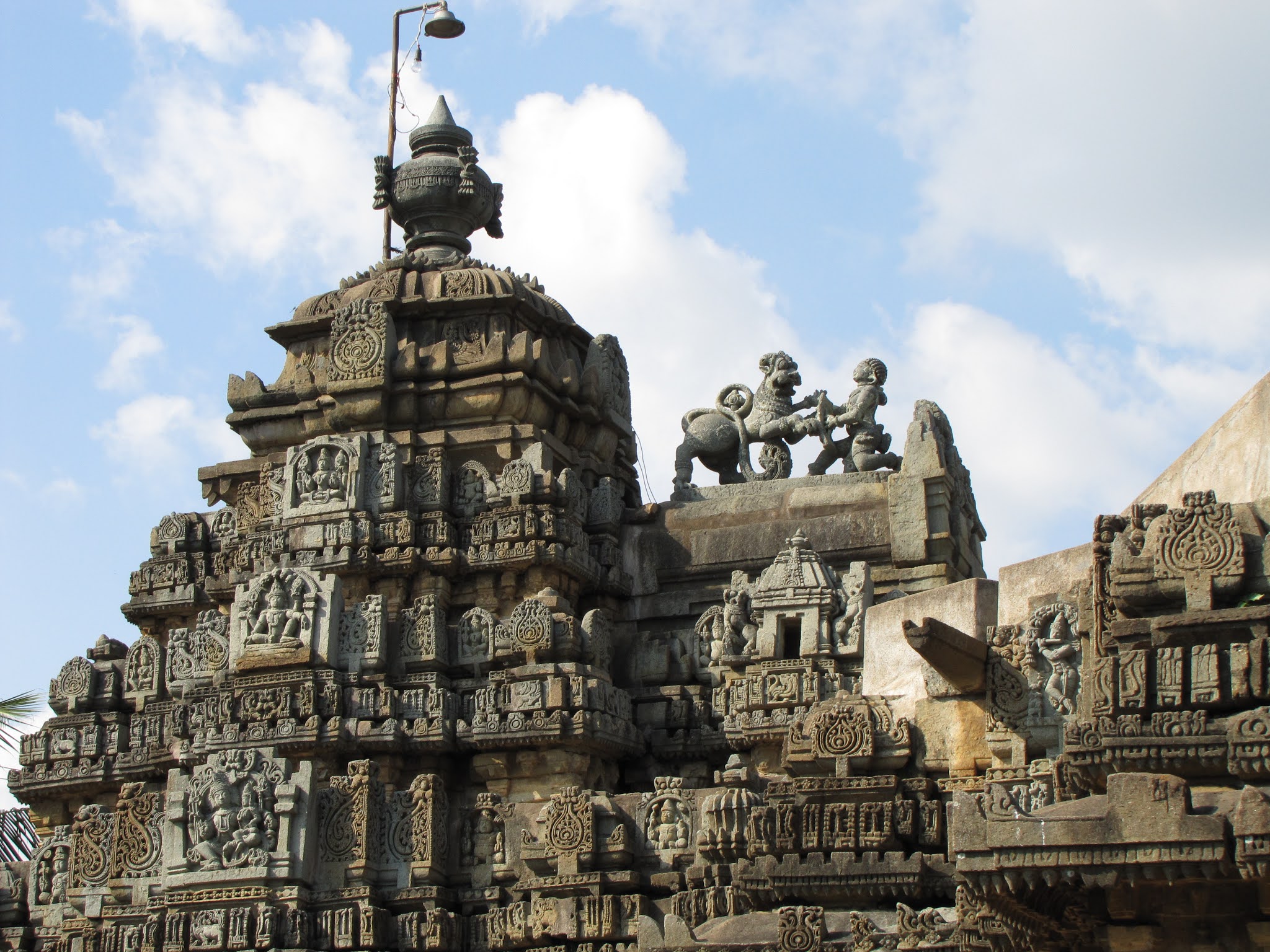
Koravangala, Hassan
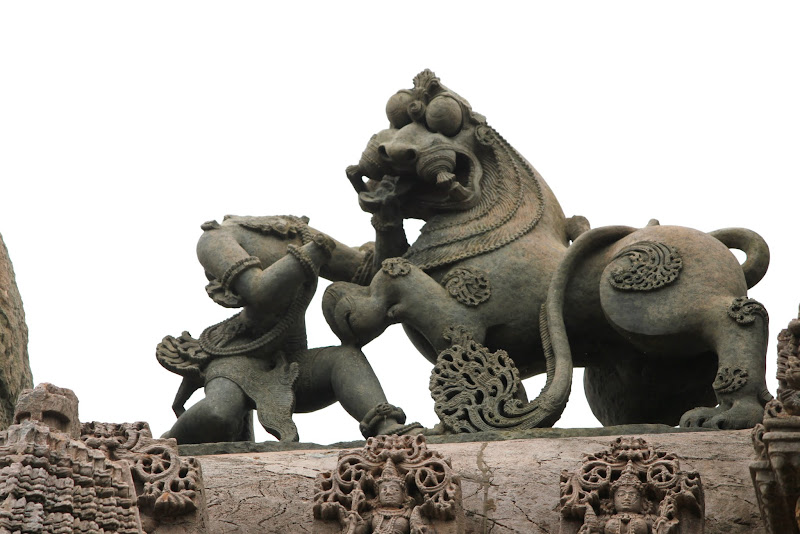
Amruthapura
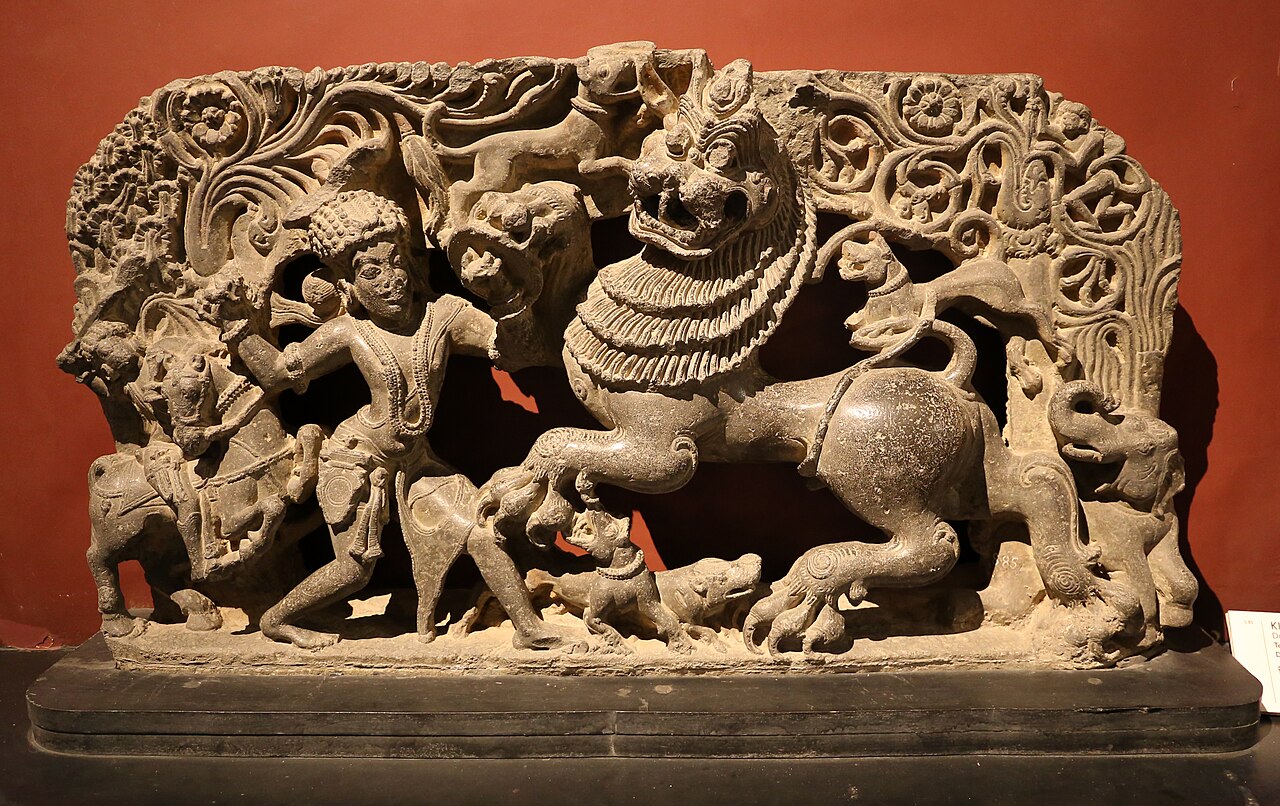
Balligavi, Karnataka
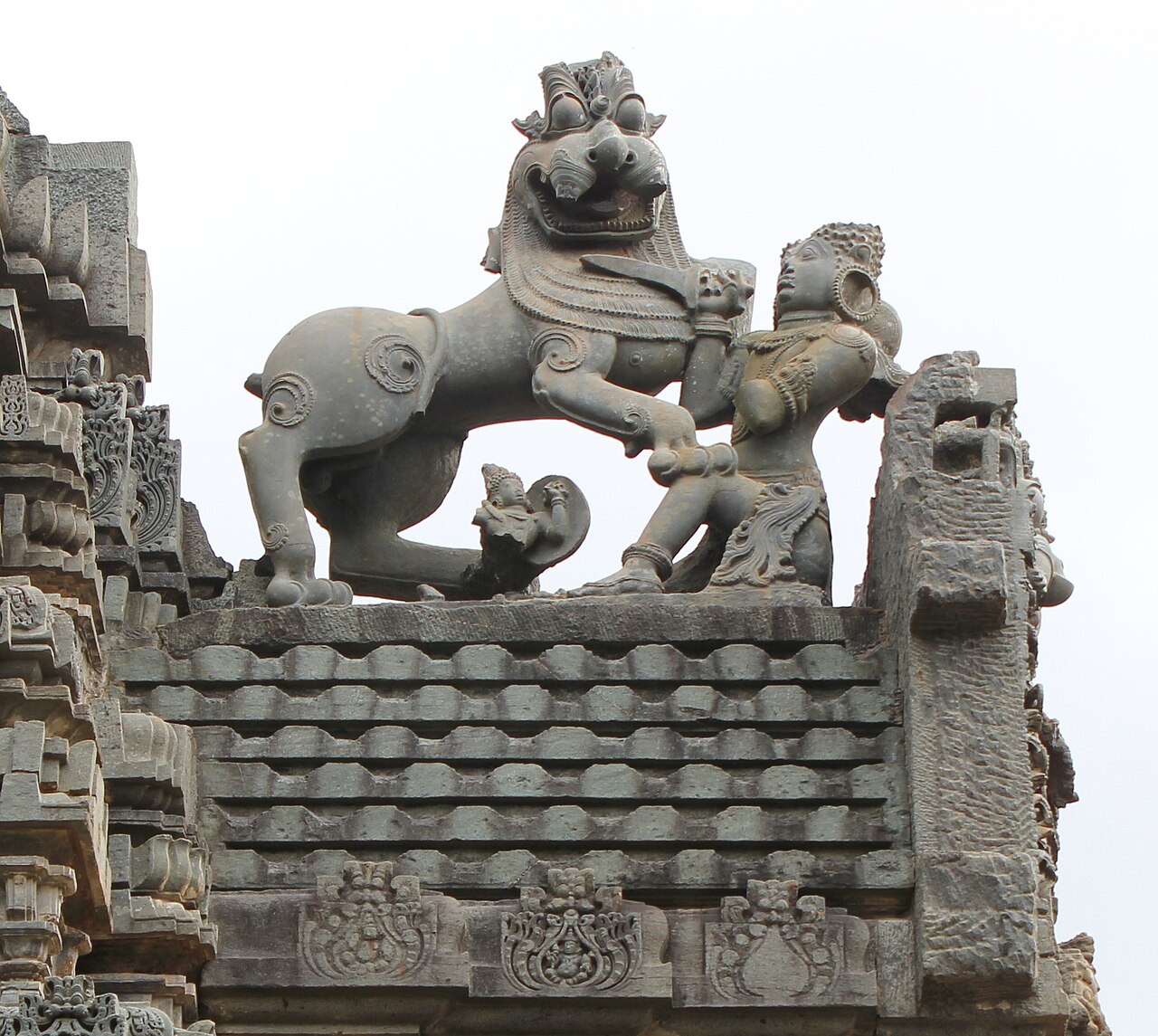
Balligavi, Hassan
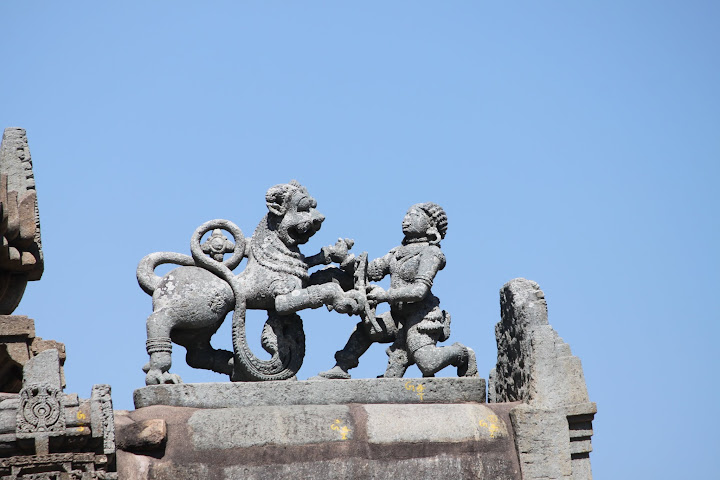
Basaralu
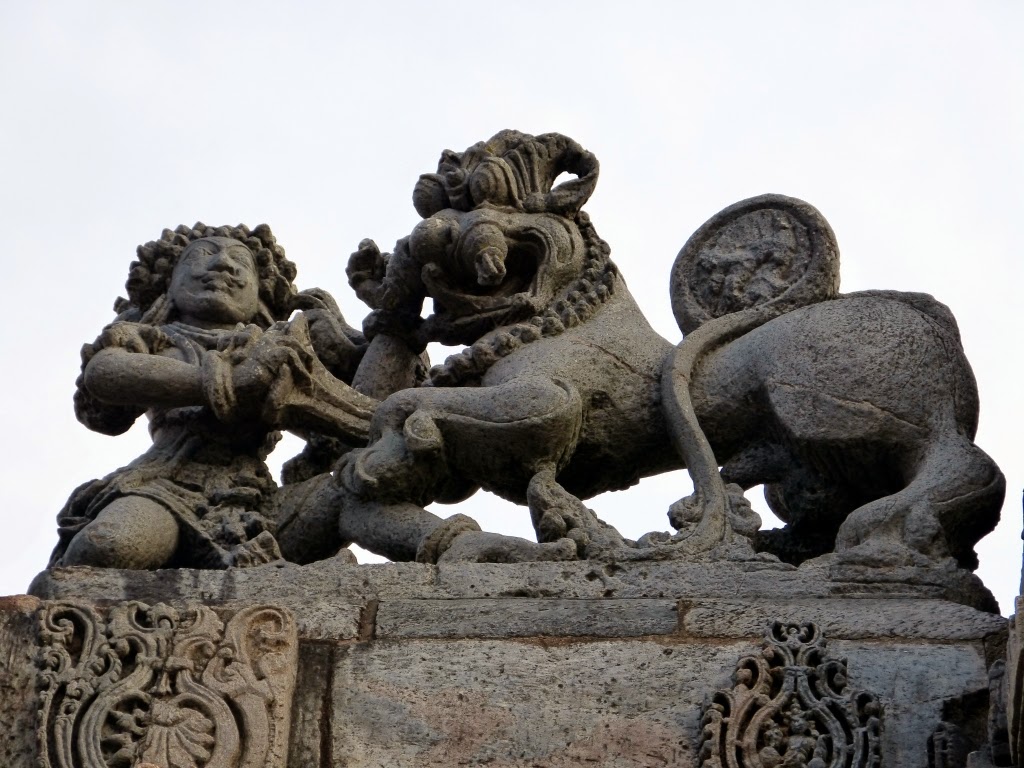
Mosale
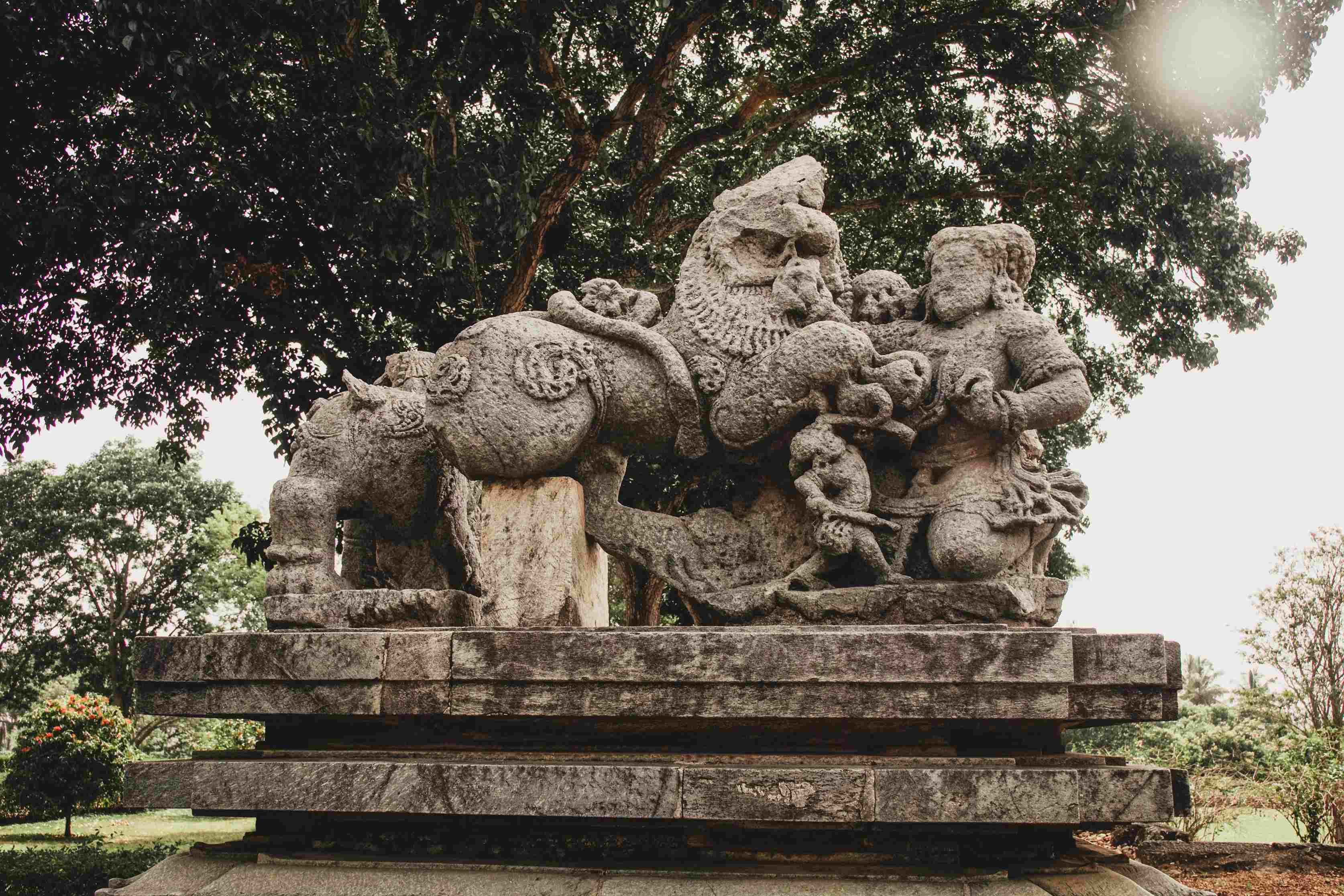
Halebidu, 12th Century CE

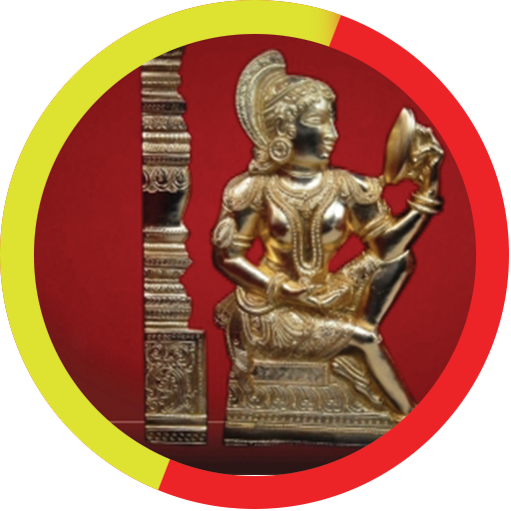
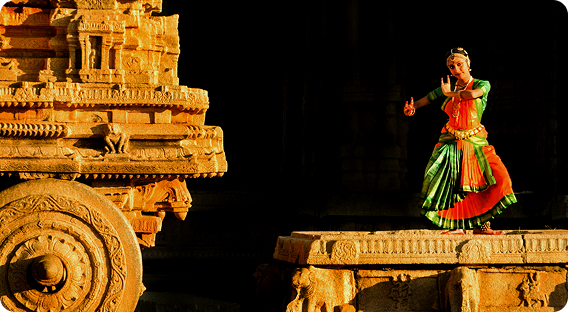
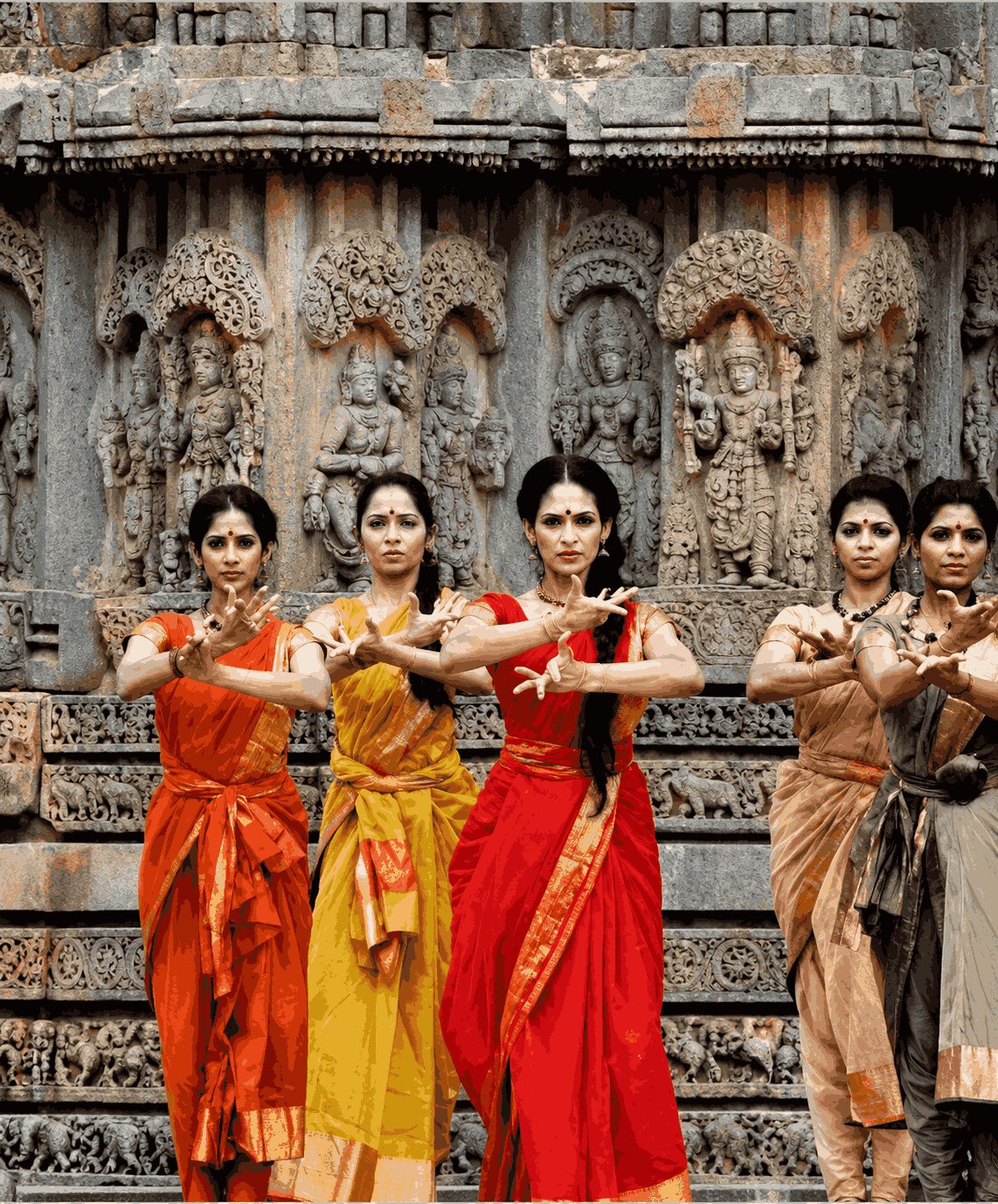
The Karnataka government honors the legacy of Natyarani Shantala, the legendary queen-consort of Vishnuvardhana, celebrated as one of the finest classical dancers of her time through the prestigious Shantala Natya Sri Award, given to outstanding artists in the field of dance.
Shantala is immortalized in sculpture at the Hoysala temples, her dancing form carved with such grace and anatomical precision that she remains one of the most iconic figures in the entire corpus of Indian temple art.
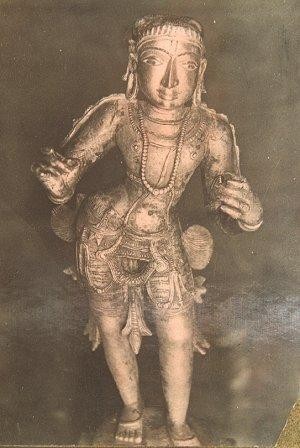
Vishnuvardhana was originally a Jain but his encounter with the great Vaishnava philosopher-saint Ramanujacharya, who visited the Hoysala court, is said to have led to his conversion to Vaishnavism.
The very temple he built at Belur the Chennakeshava Temple is believed to reflect this personal transformation in stone.