Scented Past
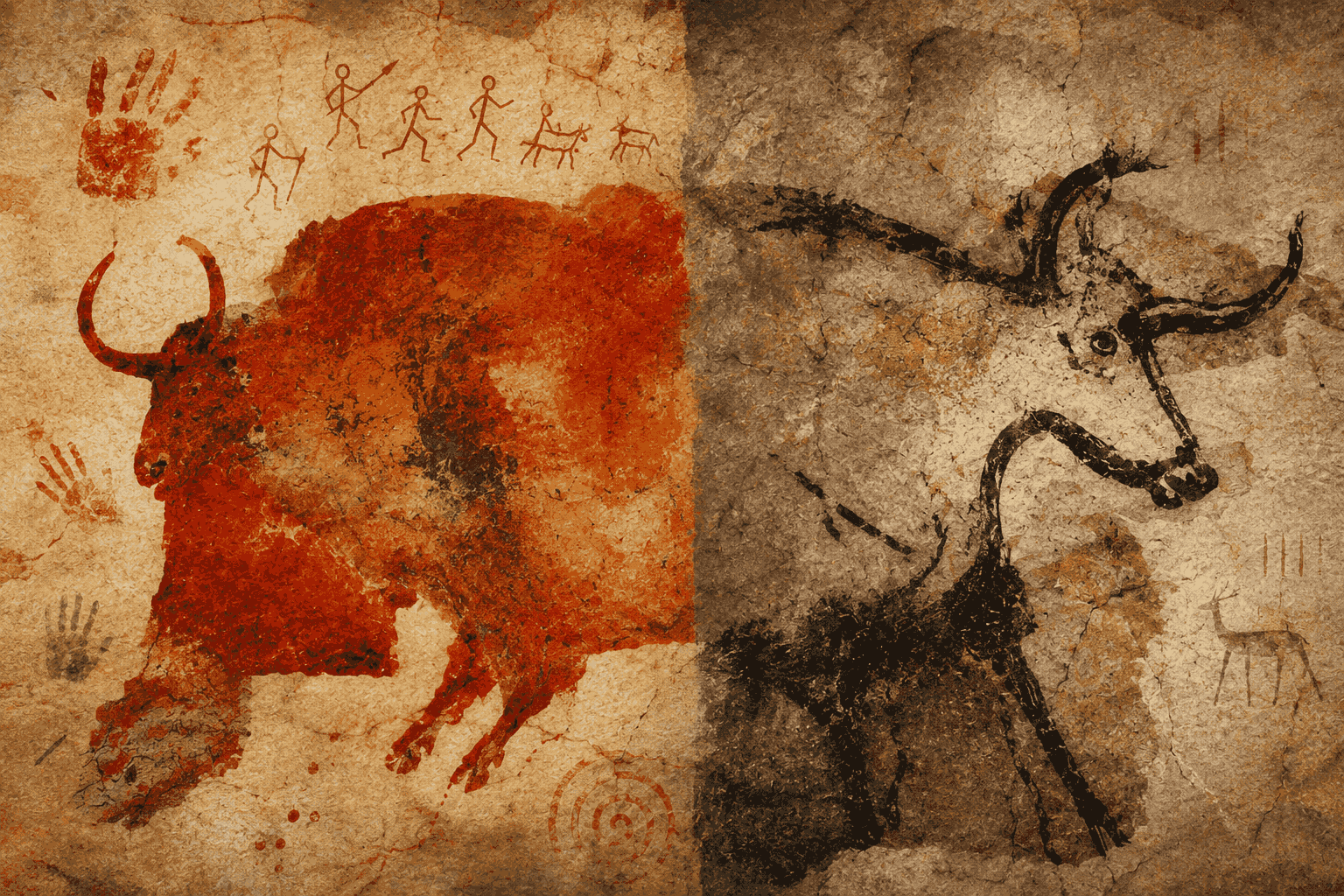
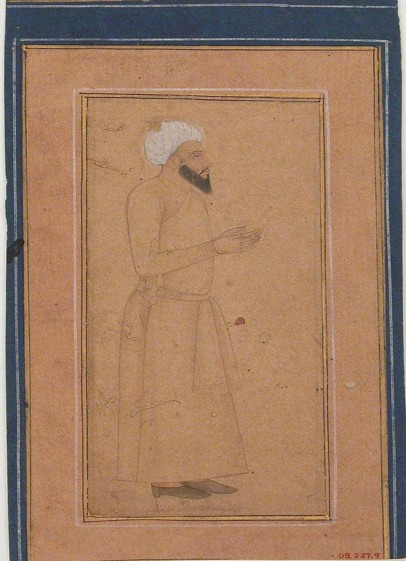
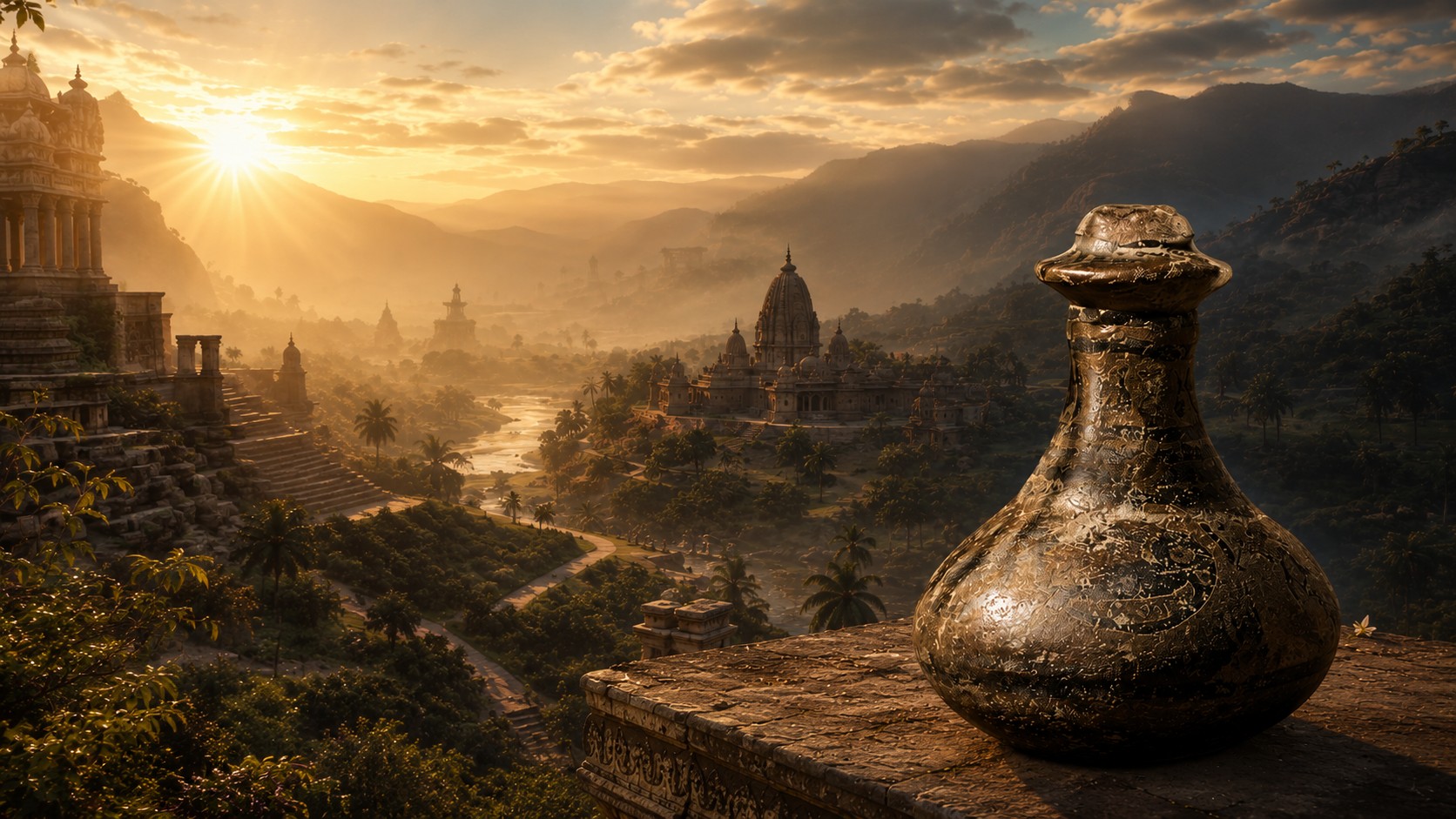
India’s Aromatic Heritage Scented Past A journey from one modern signature scent into five thousand years of Indian perfumery. 01 Shah Rukh Khan’s much-discussed blend of Diptyque and Dunhill is not just a celebrity detail. It is a doorway into an older Indian instinct: to remember identity, ritual, power, and place through fragrance. Begin the trail 01 Signature 02 Origin 03 Texts 04 Science 05 Courts 06 Legacy A superstar’s signature fragrance feels modern, but the impulse behind it is ancient. India has long treated scent as memory made visible.The spark It begins with an arresting contrast: a Bollywood icon, perfume bottles, and an archaeological vessel. Recognition draws us in, then quietly reveals that celebrity scent-making has a civilizational echo. Yes, you read that right. Our ancestors were masters of aroma, blending natural essences long before fragrance became a global lifestyle language. 3300 BCE – 1300 BCE Before perfume was luxury, it was technology. Imagine walking through the bustling streets of the Indus Valley Civilization, where the air is filled with the scents of exotic spices and fragrant oils. It is like stepping into an ancient marketplace brimming with the world’s earliest perfumes. The story deepens with evidence: a terracotta distillation apparatus and oil containers uncovered in western and north-western India, pointing to a culture already experimenting with extraction, storage, and aroma. Archaeology becomes scent memory. Carbon-dated discoveries around 3000 BCE suggest that perfume-making in India was not a late luxury. It was part of an early material intelligence. 02 Distillation Apparatus Archaeological visual placeholderHarappan terracotta distillation equipment, Taxila excavation. The sacred vocabulary Fragrance enters scripture. The Rig Veda, one of the oldest texts in the world, mentions the word “sugandhi,” meaning “well perfumed.” The fascination with scents does not stop there. Expressions involving “gandha,” meaning fragrance, appear through the Taitriya Samhita, Maitrayani Samhita, Satapata Brahmana, and Taitriya Aranyaka. In Ayurvedic traditions such as the Charaka Samhita and Sushruta Samhita, perfume is more than adornment. It becomes connected to charm, vitality, pleasure, medicine, and courtly life. 03 Sacred Text Panel Charaka Samhita visual space Charaka Samhita on Use of Perfume वृष्यं सौगन्ध्यमायुष्यं काम्यं पुष्टिबलप्रदम् । सौमनस्यं अलक्ष्मीघ्नं गन्धमाल्य निषेवणम् ॥ “The use of scents enhances body fragrance, and improves longevity and charm. It contributes to a healthy, strong body, brings pleasure to the mind, and wards off bad luck.” The Brihat Samhita The ancient laboratory of scent. Varaha Mihira’s Brihat Samhita turns fragrance into a system. The trail moves from manuscript to workshop: text, ingredients, extraction, process, and transformation. He does not simply list sandalwood, musk, camphor, spices, and herbs. He describes a disciplined craft of extracting essential oils and harmoniously blending them into fragrant substances. 04 Perfume Workshop Process and transformationThe workshop as ritual and science. 01 Bhavanam Infusion 02 Pacanam / Paka Cooking or decoction 03 Bodhah Awakening or extraction 04 Vedhah Penetration or infusion 05 Dhupanam Fumigation 06 Vasanam Perfumation The royal harems Fragrance becomes courtly power. During the Sultanates and Mughal period, perfumes known as ‘itra,’ ‘ittar,’ or ‘attar’ were lavishly used in royal harems. Queen Noorjahan is famously rumored to have crafted a unique ‘itra’ blending over 50 rose essences with five types of sandalwood oils. 05 Royal Court Scene Mughal fragrance cultureCourtly fragrance visual placeholder. This era saw a flourishing trade that carried Indian fragrances into Iran, Egypt, Turkey, the Arab world, and Afghanistan. Iran Egypt Turkey Arab world Afghanistan SP The living archive Kannauj keeps the fragrance alive. Today, Kannauj is renowned worldwide for its distinctive attars and perfumes. The city has gained international acclaim for producing these fragrances on an industrial scale while still preserving the traditional hydro-distillation process. Place A city known for translating flowers, herbs, woods, and earth into aroma. Method Hydro-distillation remains the bridge between ancient technique and contemporary perfume-making. Memory The scent is not only worn. It is inherited, traded, gifted, and remembered. This legacy, born from the ingenuity of our ancestors, proves that perfume-making is not just a modern trend, but a timeless tradition rooted in our cultural DNA.