Something big is brewing! Our store is in the works and will be launching soon!
A taste of Karnataka’s timeless recipes.


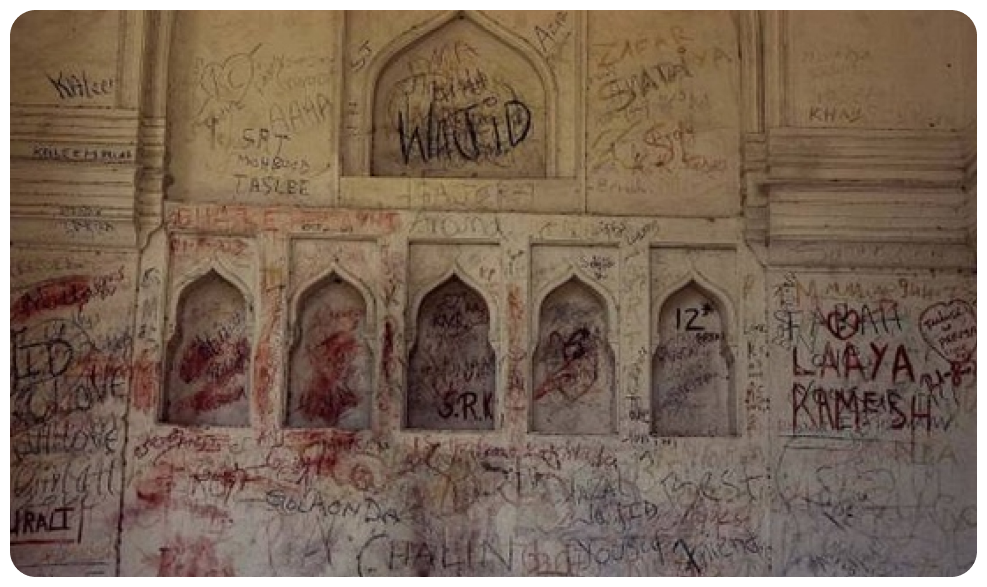
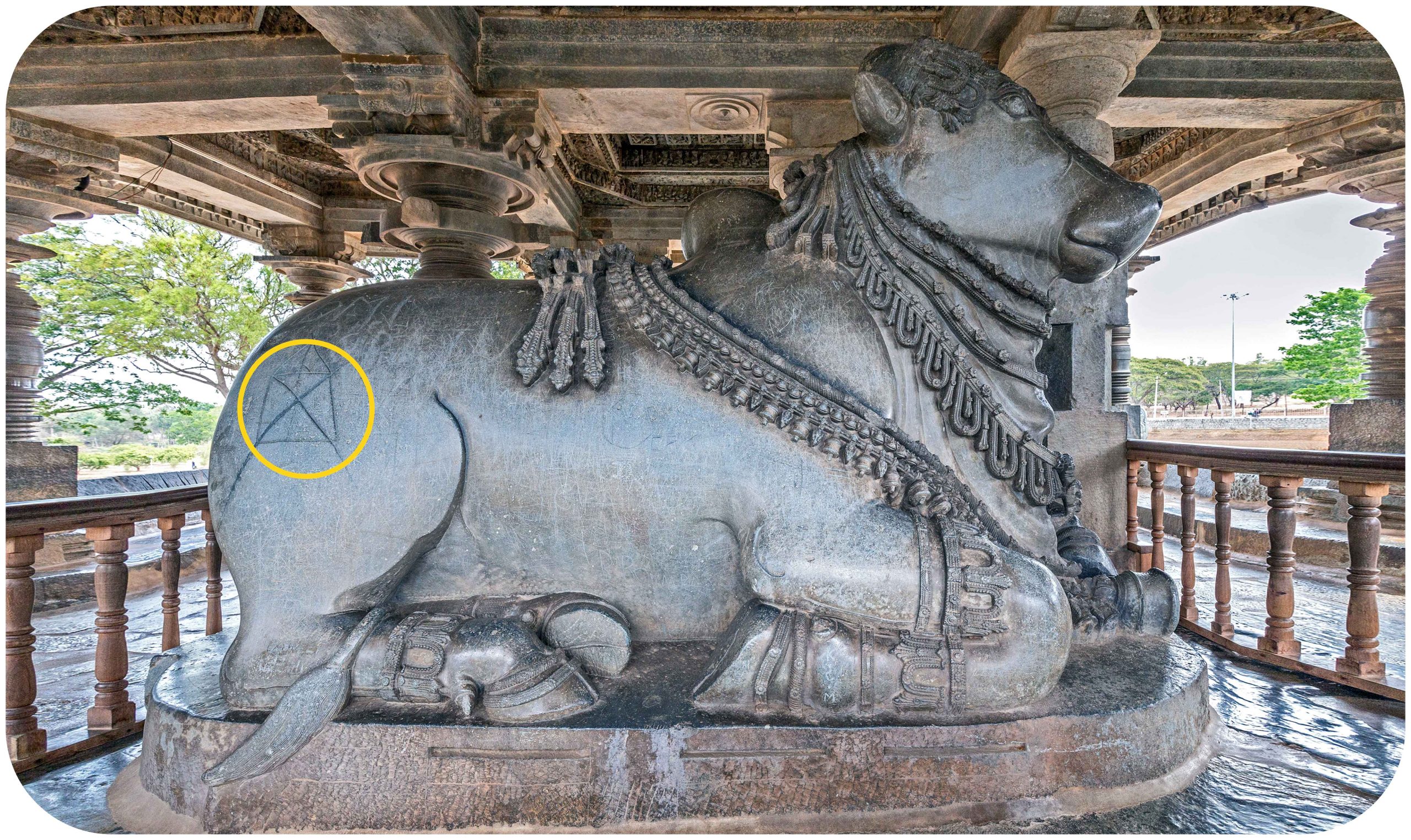
Please, do not mark me.
I have carried history for centuries—help me carry it forward.
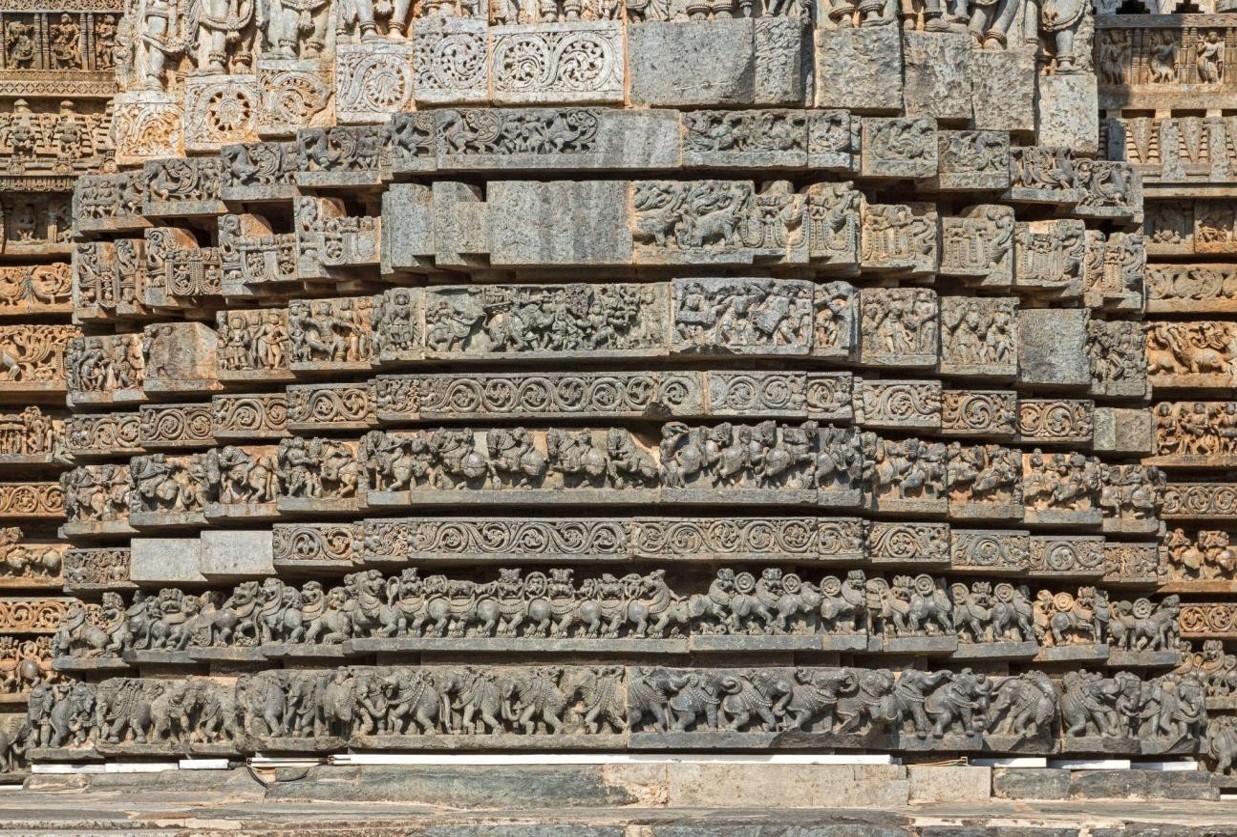
An Ordered Universe
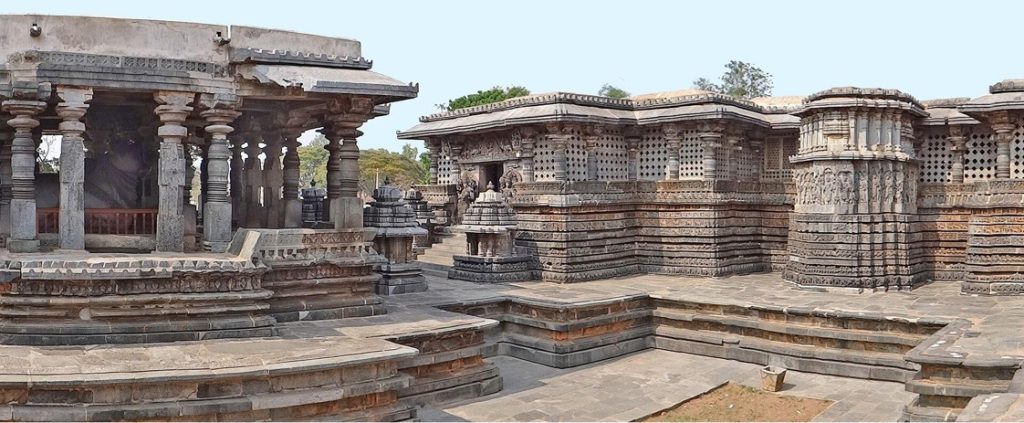
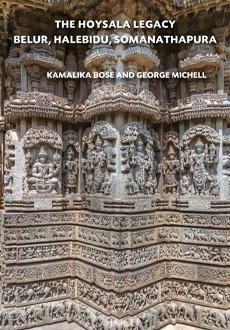
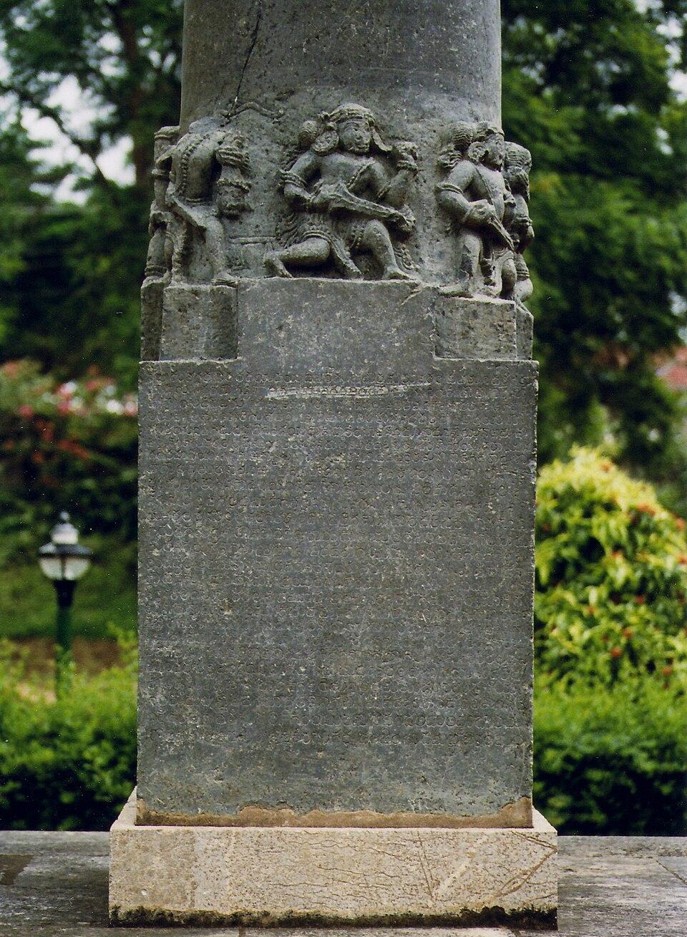
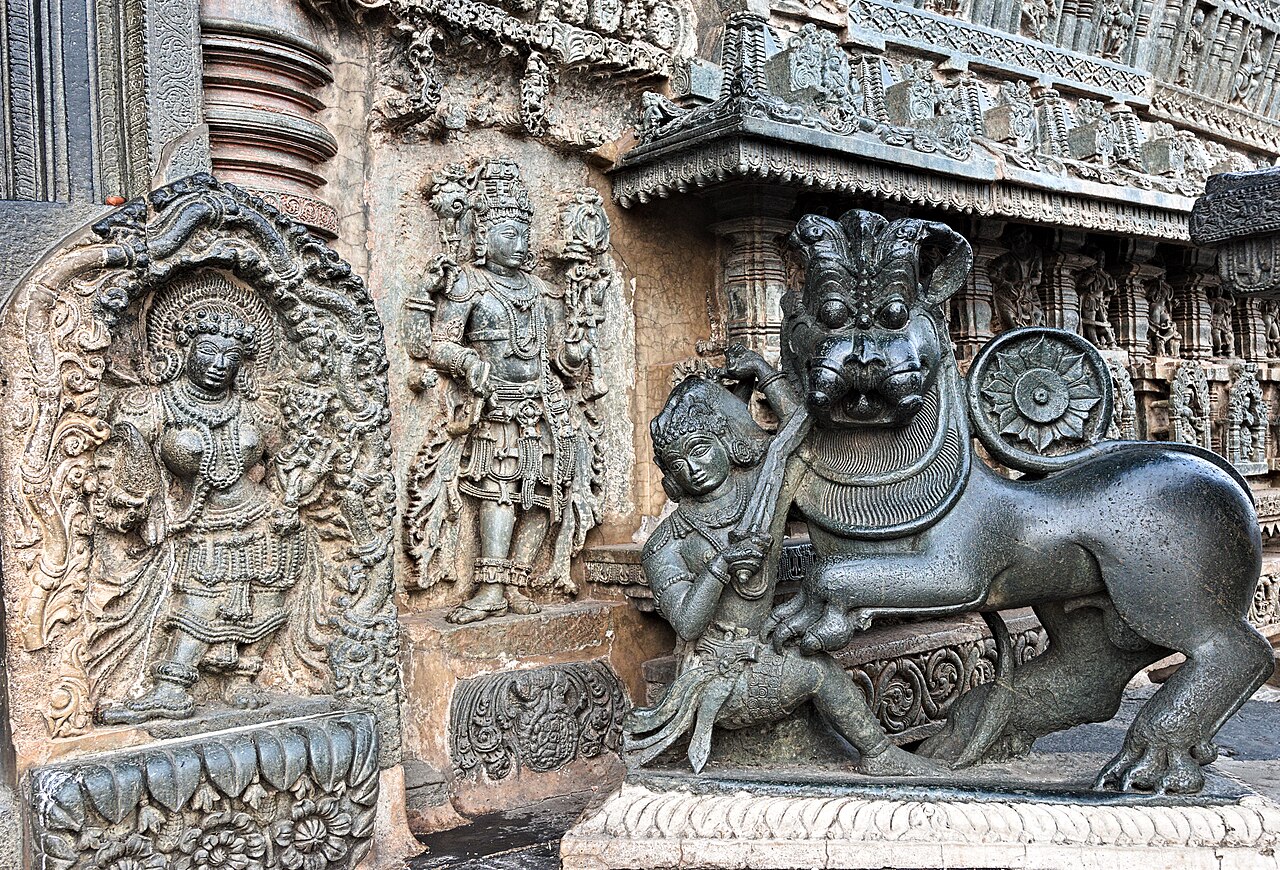
Belur, 12th Century CE
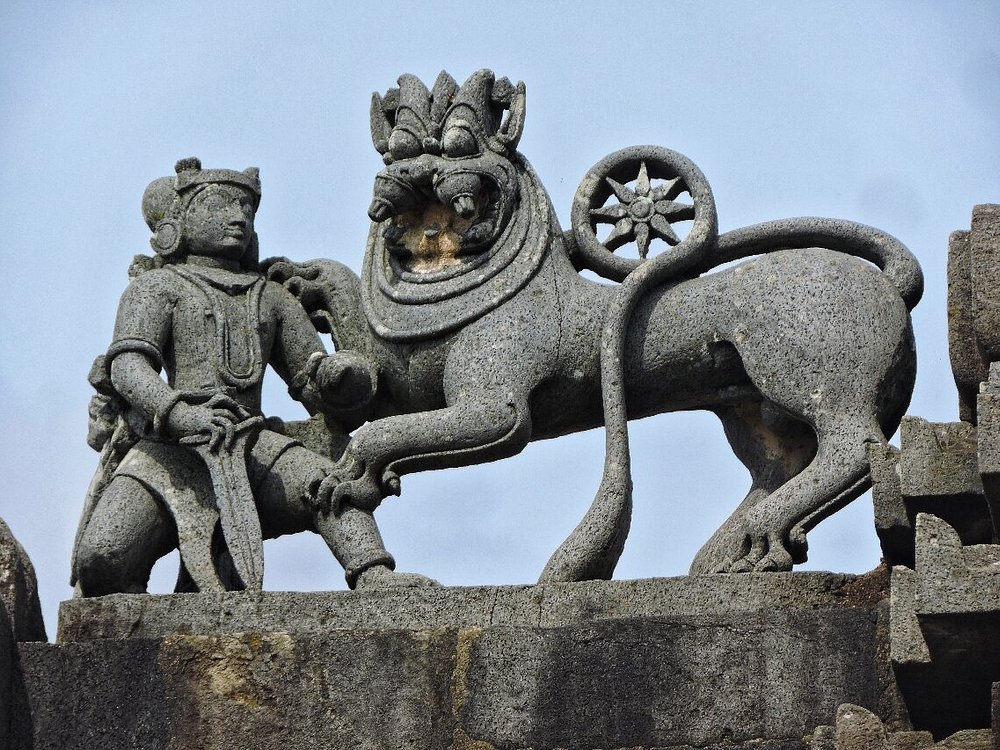
Doddagaddavalli, Hassan
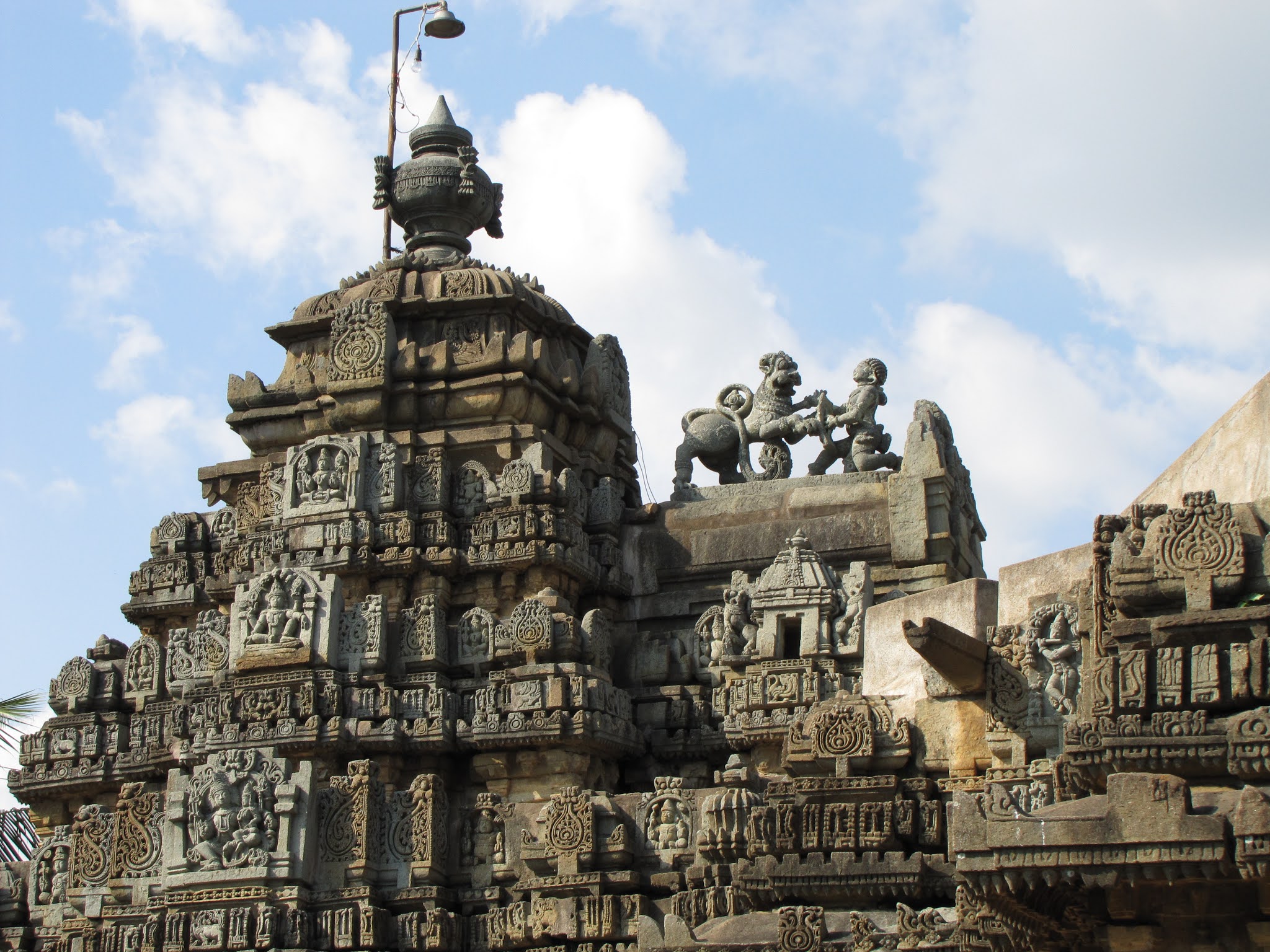
Koravangala, Hassan
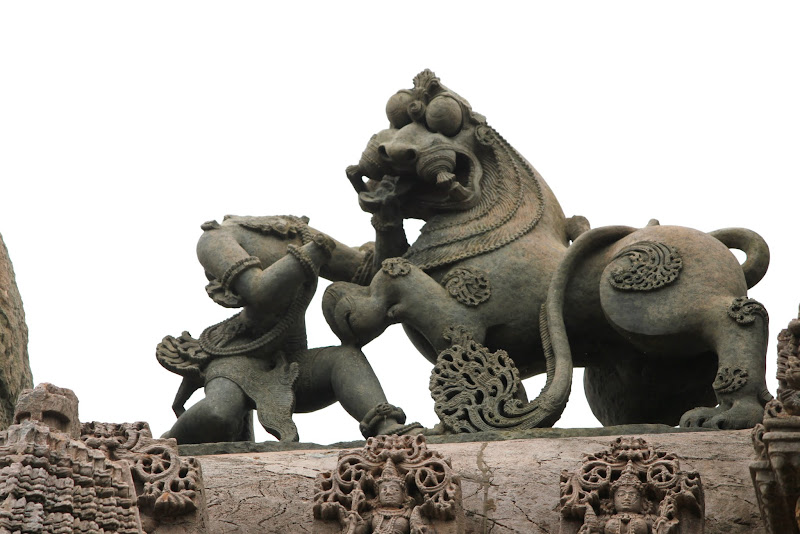
Amruthapura
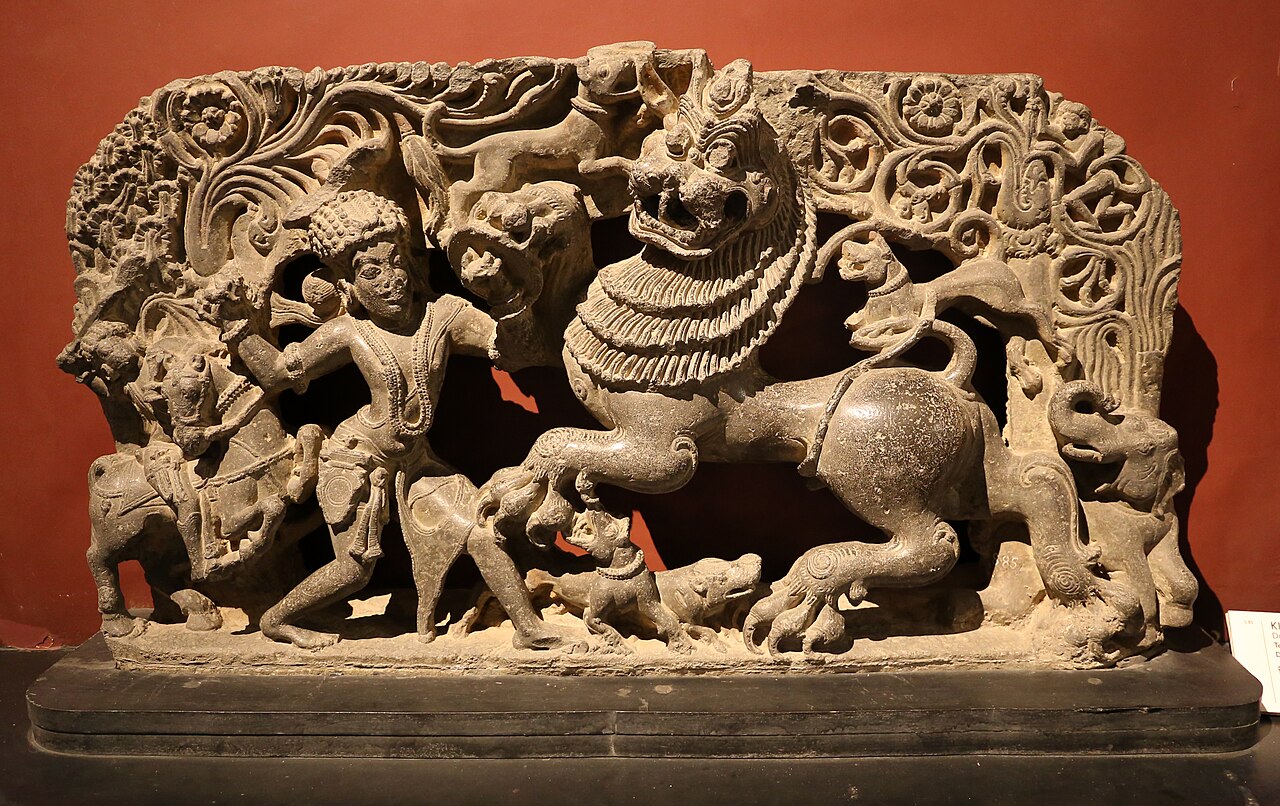
Balligavi, Karnataka
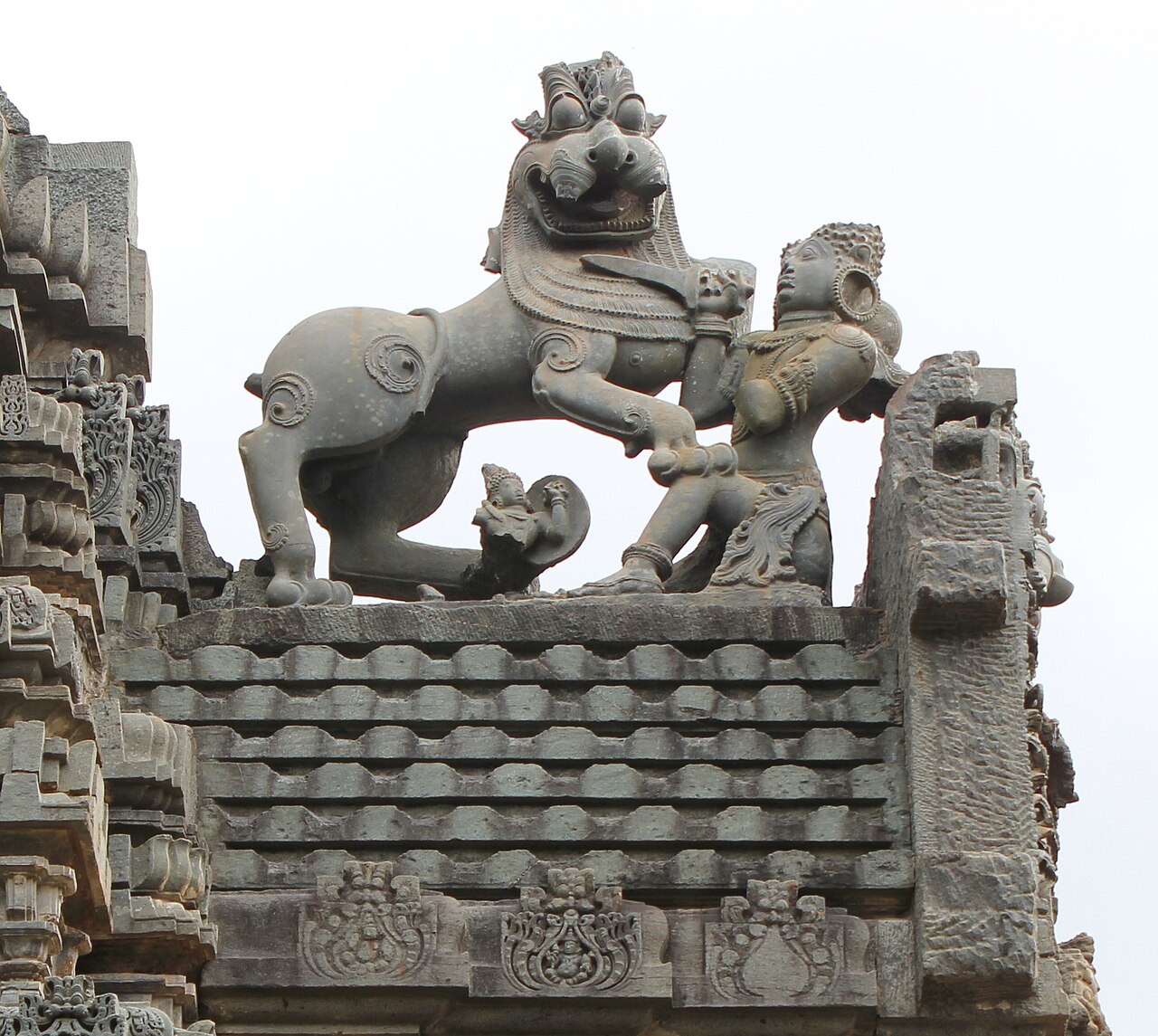
Balligavi, Hassan
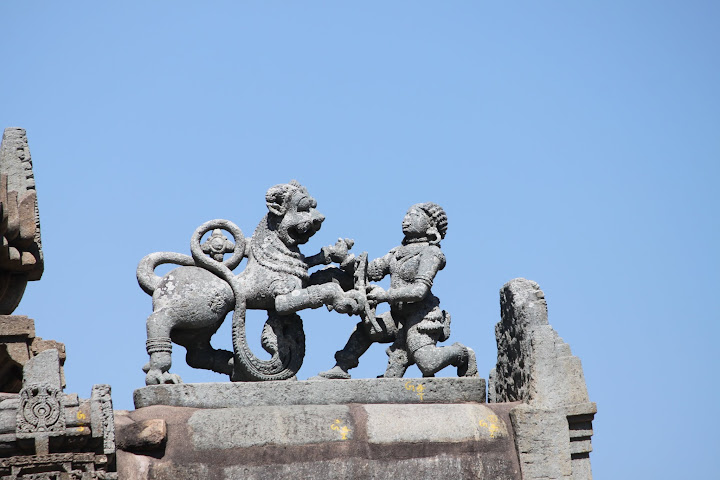
Basaralu
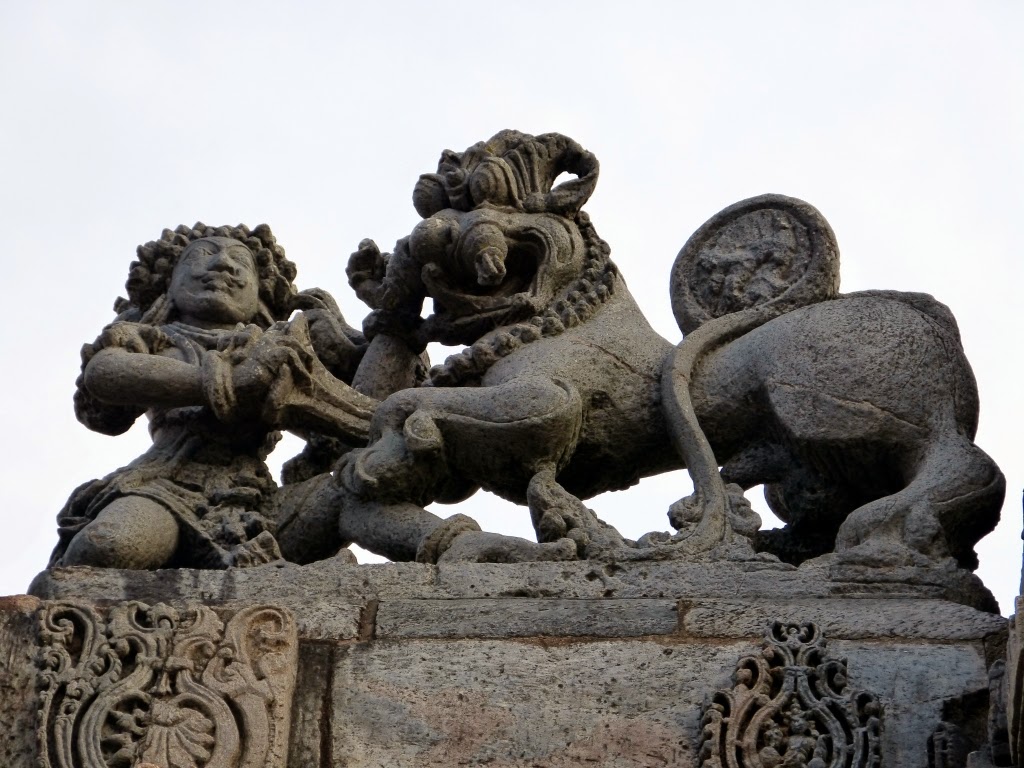
Mosale
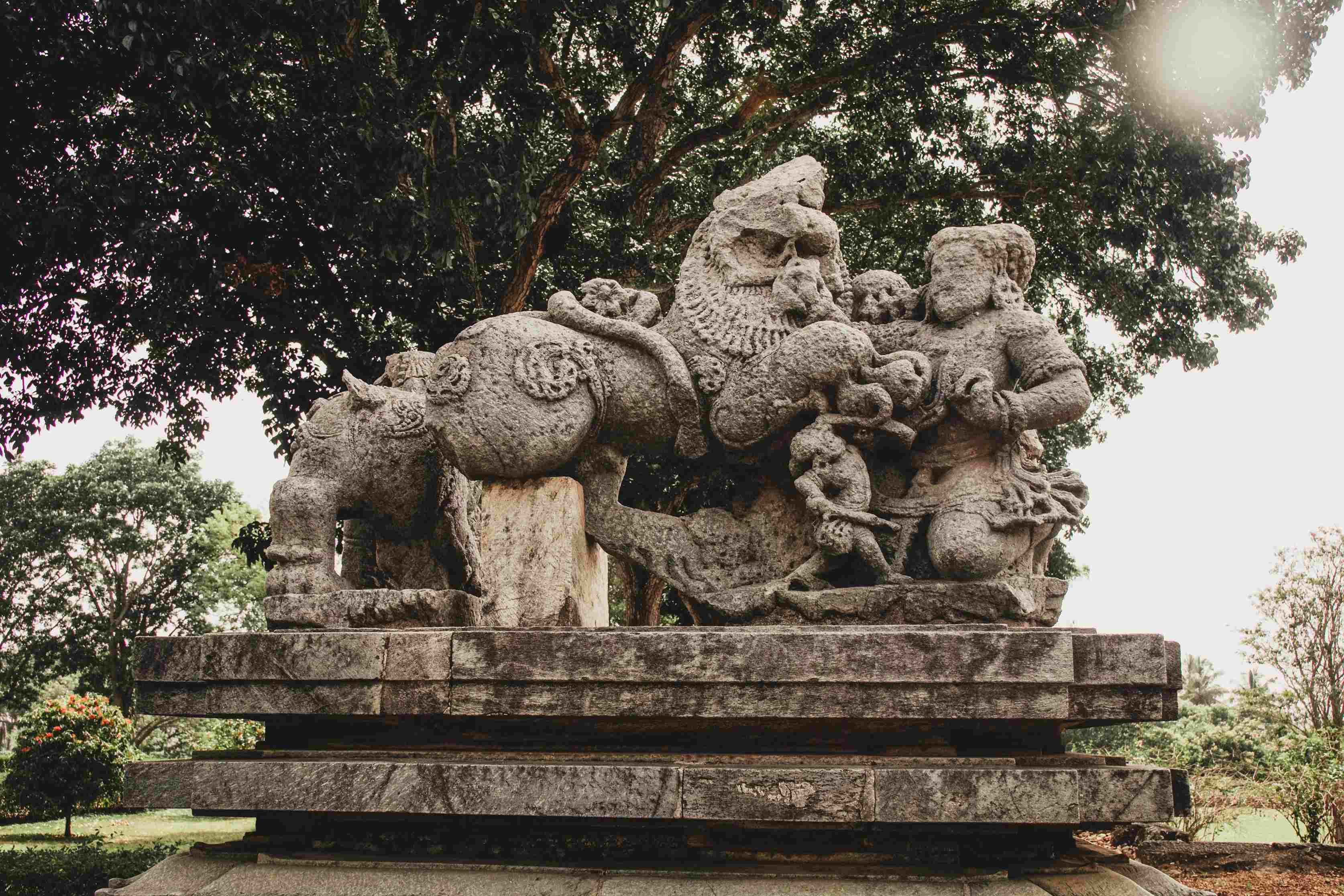
Halebidu, 12th Century CE

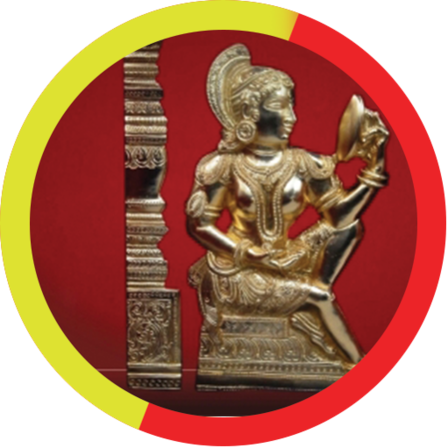
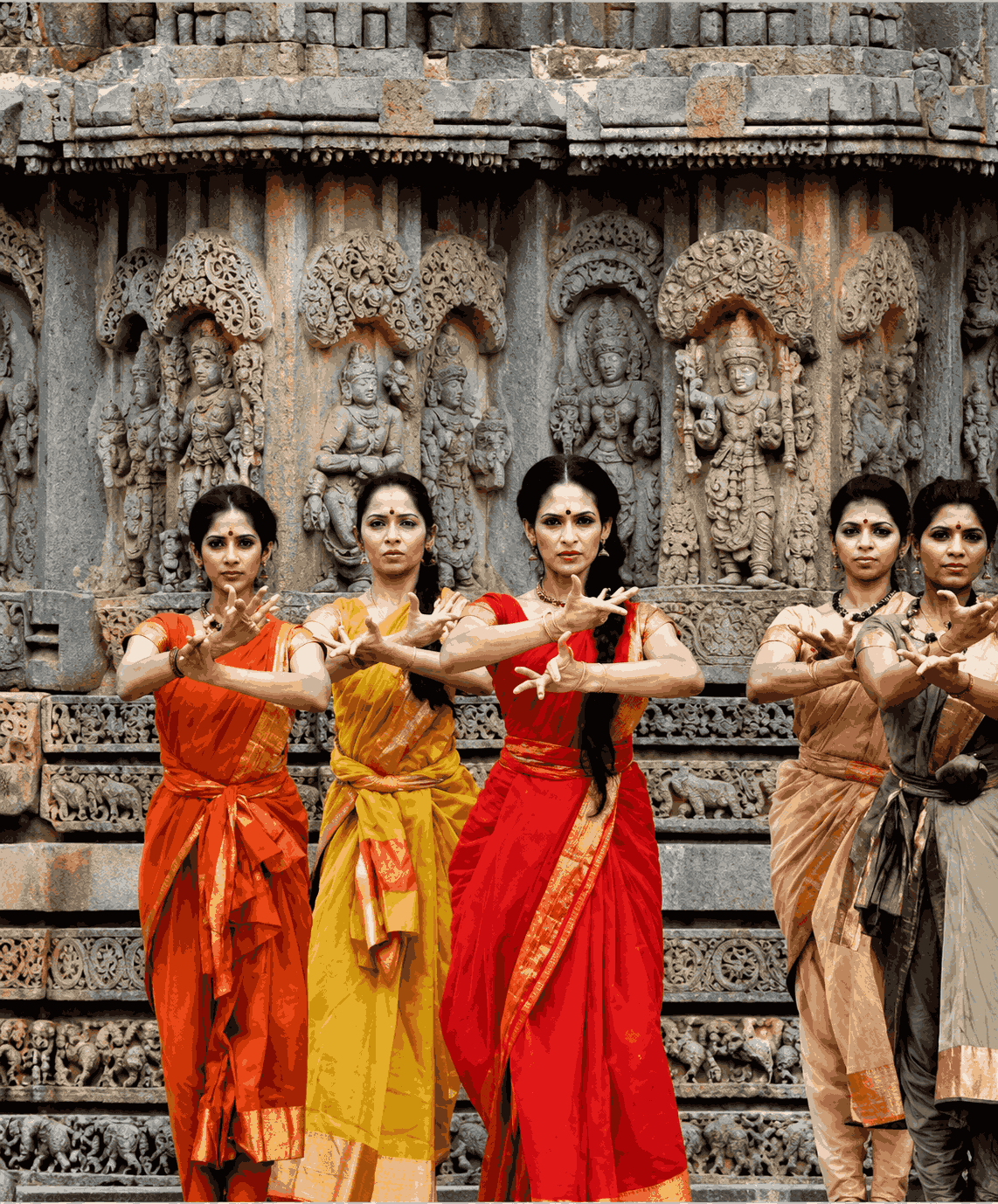
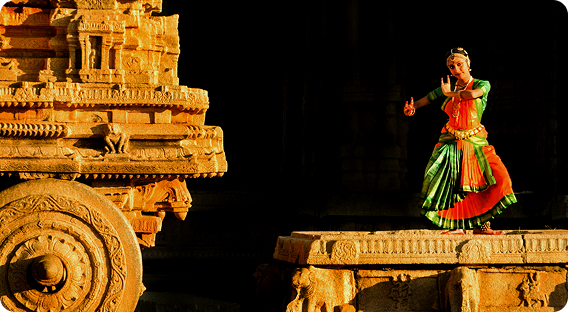
The Karnataka government honors the legacy of Natyarani Shantala, the legendary queen-consort of Vishnuvardhana, celebrated as one of the finest classical dancers of her time through the prestigious Shantala Natya Sri Award, given to outstanding artists in the field of dance.
Shantala is immortalized in sculpture at the Hoysala temples, her dancing form carved with such grace and anatomical precision that she remains one of the most iconic figures in the entire corpus of Indian temple art.
Vishnuvardhana was originally a Jain but his encounter with the great Vaishnava philosopher-saint Ramanujacharya, who visited the Hoysala court, is said to have led to his conversion to Vaishnavism.
The very temple he built at Belur the Chennakeshava Temple is believed to reflect this personal transformation in stone.
While its grand architecture is widely celebrated, the temple’s sculptures reveal a world of intricate narratives, divine imagery, and cultural expressions carved in stone. Lets explores the temple’s sculptural brilliance under various thematic categories.
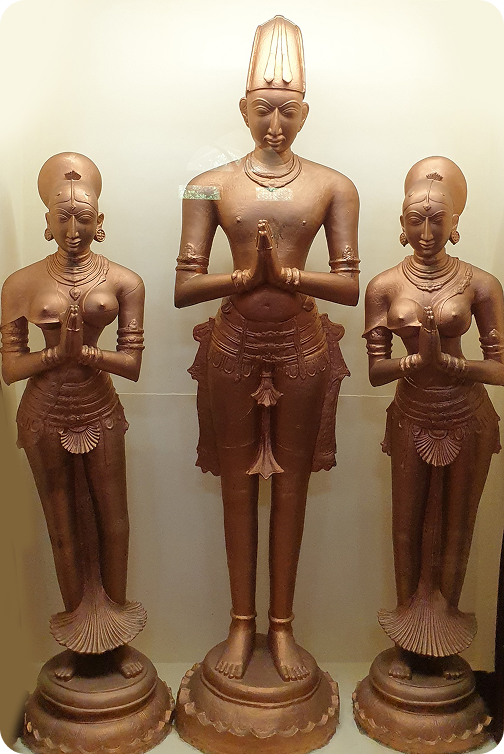
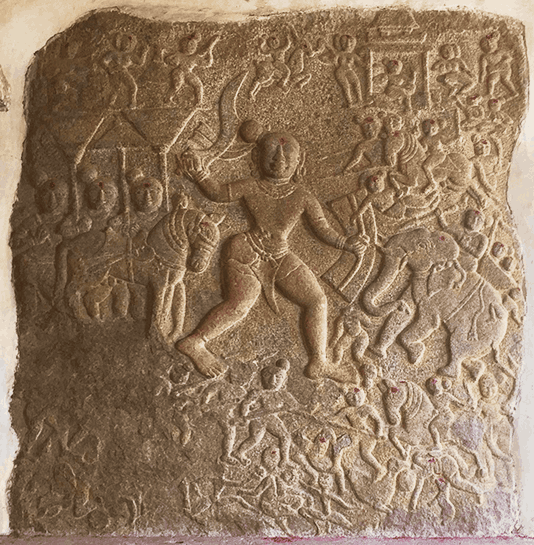
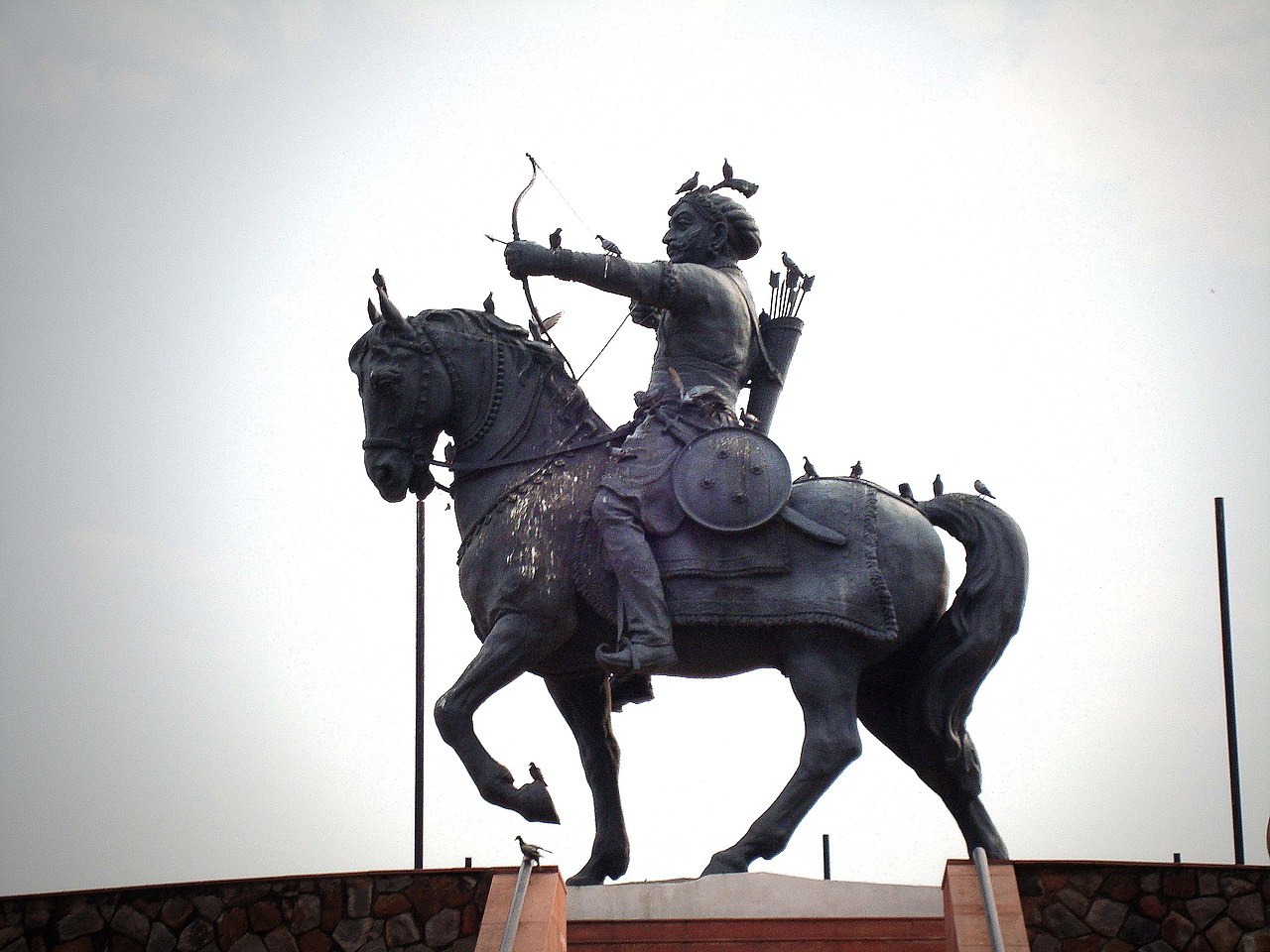
Sri Krishnadevaraya (reigned 1509–1529 CE) was the greatest monarch of the Vijayanagara Empire, belonging to the Tuluva dynasty.
His reign is often described as the “Golden Age” of Vijayanagara due to the empire’s political power, cultural brilliance, and economic prosperity during his rule.
Ascending the throne in 1509, he consolidated the empire by defeating rivals such as the Bahmani Sultanate, Gajapatis of Odisha, and other regional powers.
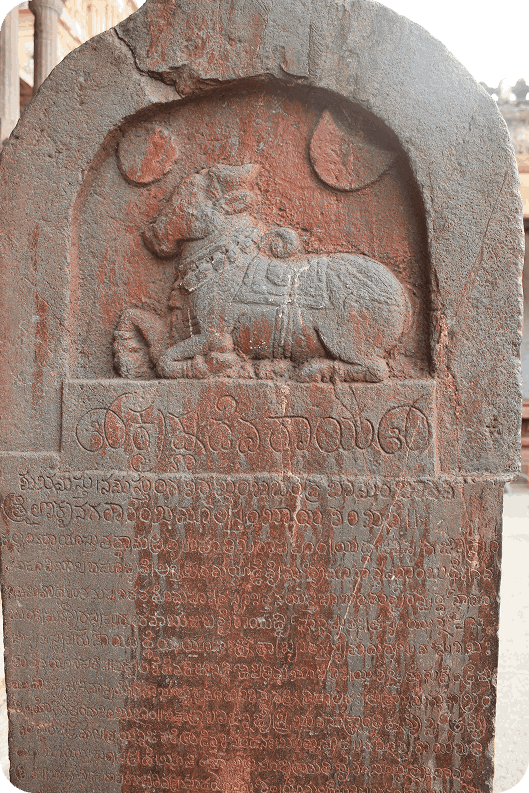
Hampi, the majestic capital of the Vijayanagara Empire, is also celebrated in sacred lore as Pampa Kshetra.
According to the Sthala Purana, this land is none other than Kishkindha, the monkey kingdom of the Ramayana. It was here that Lord Rama met Hanuman and Sugriva, forging the alliance that led to the battle against Ravana.
The hills and rivers of Hampi carry echoes of these legends Anjanadri Hill is revered as Hanuman’s birthplace, Rishimukha Hill marks Sugriva’s meeting with Rama, and Matanga Hill is sanctified by sage Matanga’s penance. As Apampa Kshetra, Hampi is also regarded as a sacred space where divine presence lingers, making it not only a UNESCO World Heritage Site but also a timeless spiritual landscape where mythology, history, and devotion converge.
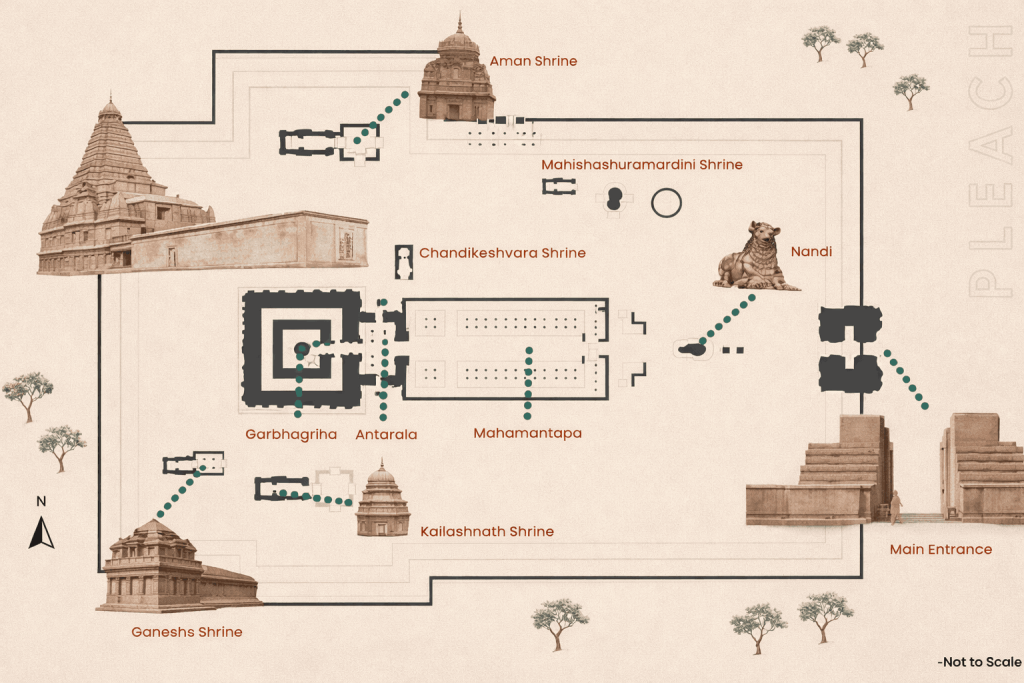
The temple follows a well-defined axial plan typical of Dravidian temples:
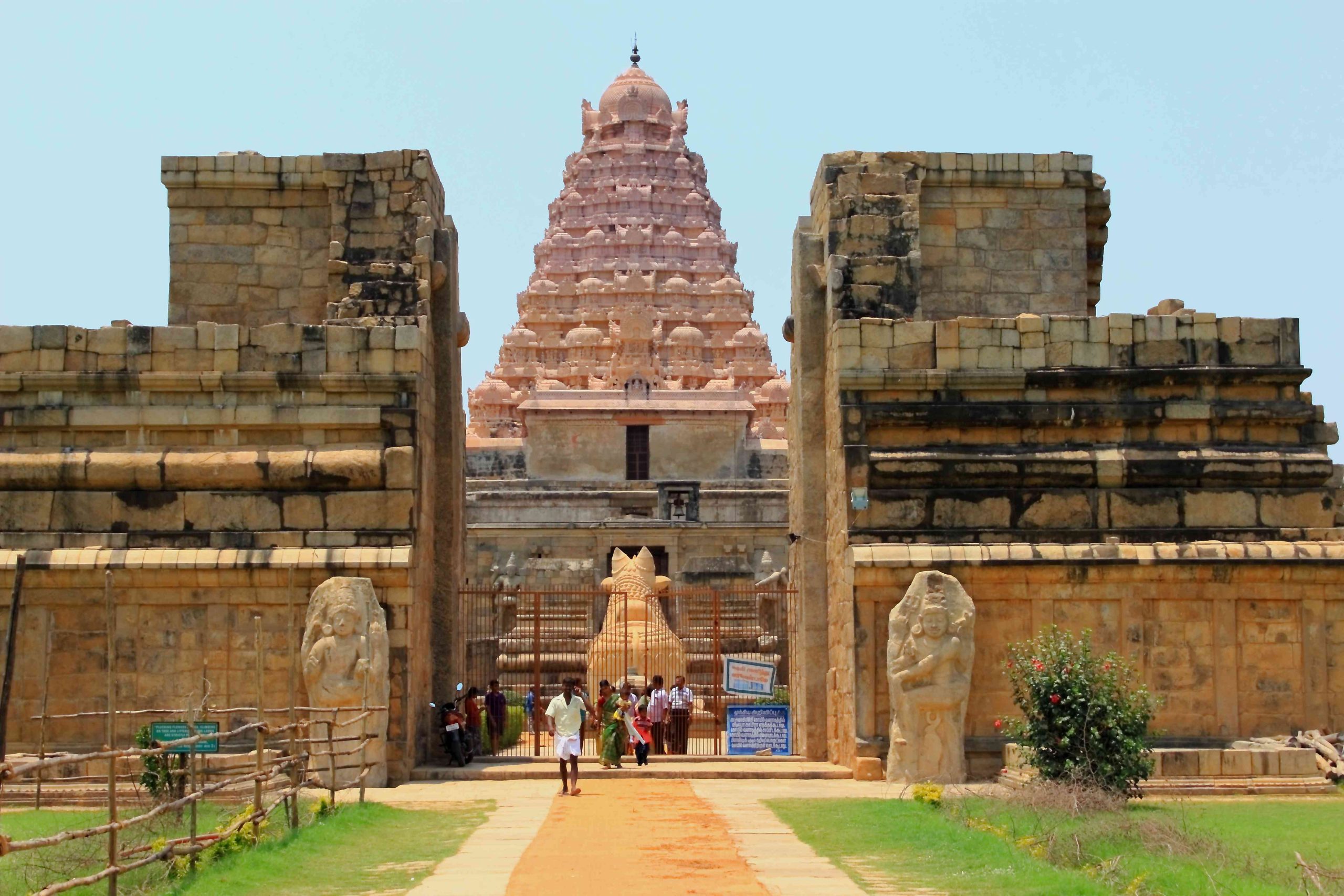
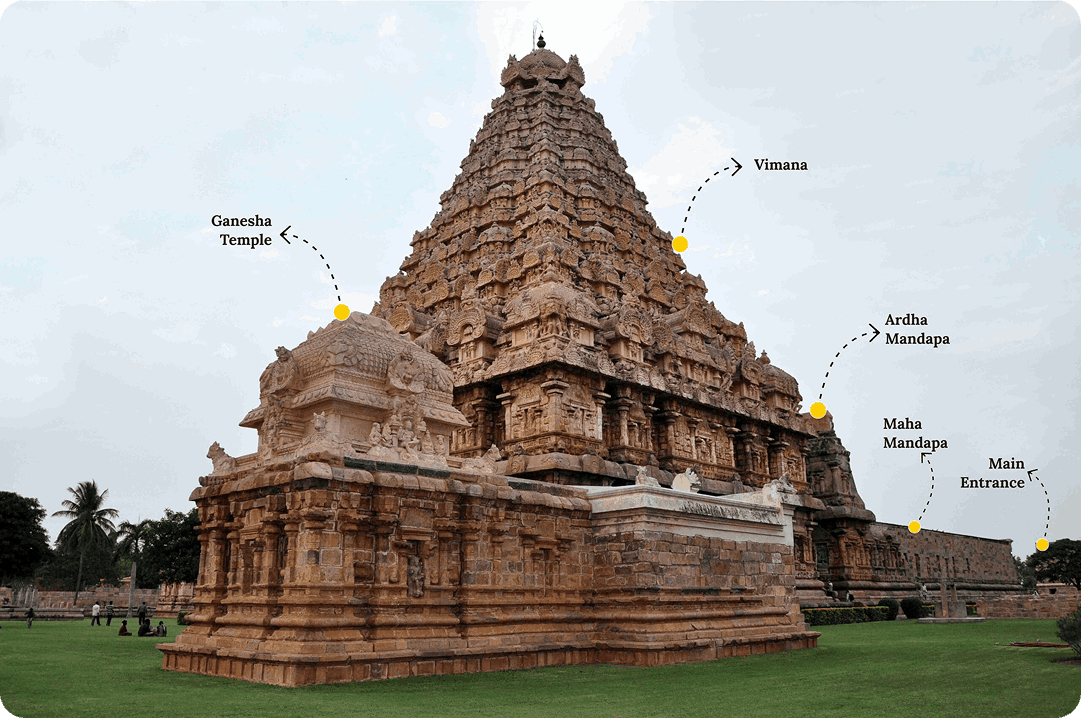
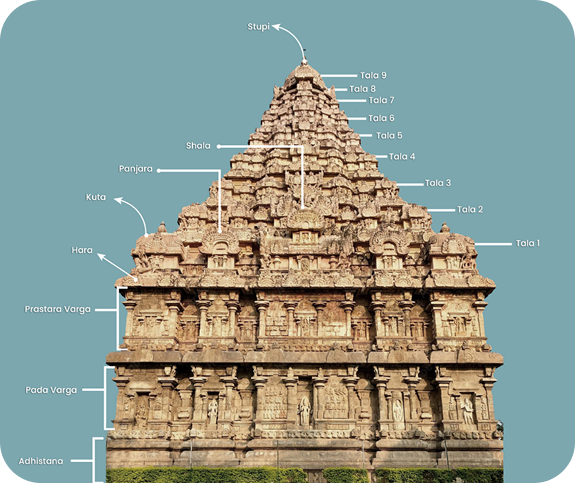
The vimana is adorned with miniature shrine motifs, niches, and pilasters, creating a sense of depth and grandeur.
Lorem Ipsum is simply dummy text of the printing and typesetting industry. Lorem Ipsum has been the industry’s standard dummy text ever since the 1500s, when an unknown printer took a galley of type and scrambled it to make a type specimen book.
Lorem Ipsum is simply dummy text of the printing and typesetting industry. Lorem Ipsum has been the industry’s standard dummy text ever since the 1500s, when an unknown printer took a galley of type and scrambled it to make a type specimen book.
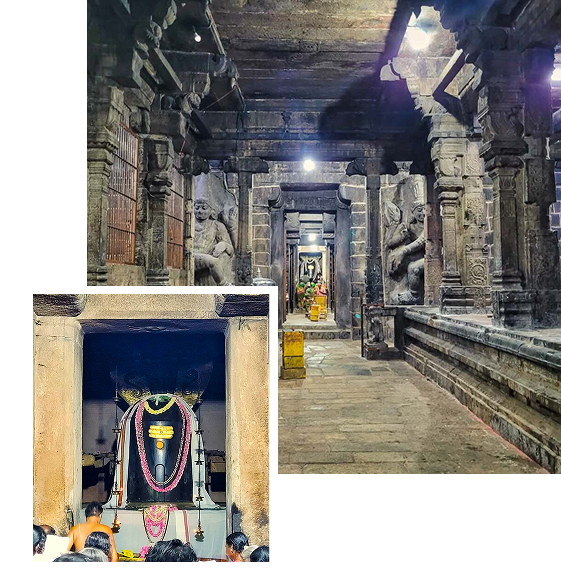
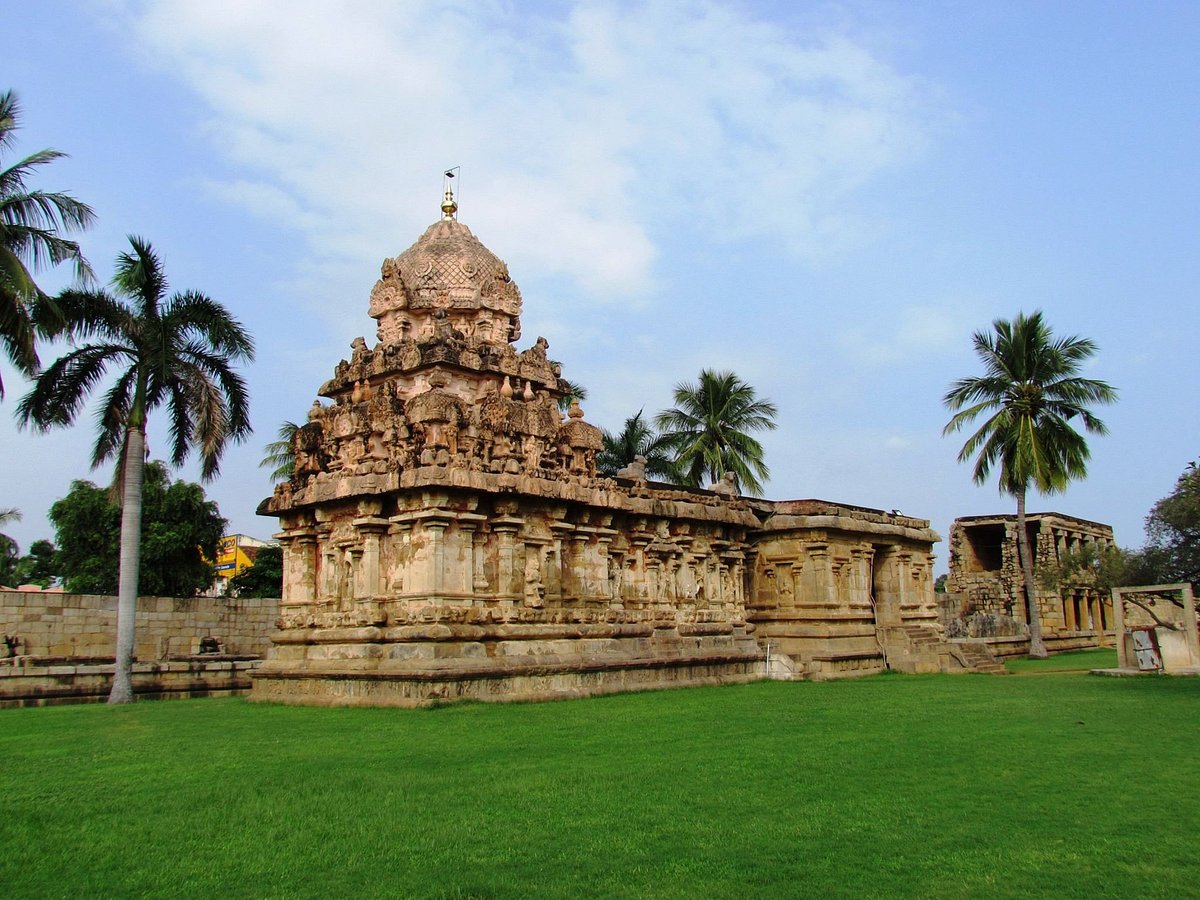
Lorem Ipsum is simply dummy text of the printing and typesetting industry. Lorem Ipsum has been the industry’s standard dummy text ever since the 1500s, when an unknown printer took a galley of type and scrambled it to make a type specimen book. It has survived not only five centuries, but also the leap into electronic typesetting, remaining essentially unchanged.
Lorem Ipsum is simply dummy text of the printing and typesetting industry. Lorem Ipsum has been the industry’s standard dummy text ever since the 1500s, when an unknown printer took a galley of type and scrambled it to make a type specimen book. It has survived not only five centuries, but also the leap into electronic typesetting, remaining essentially unchanged.
Lorem Ipsum is simply dummy text of the printing and typesetting industry. Lorem Ipsum has been the industry’s standard dummy text ever since the 1500s, when an unknown printer took a galley of type and scrambled it to make a type specimen book. It has survived not only five centuries, but also the leap into electronic typesetting, remaining essentially unchanged.
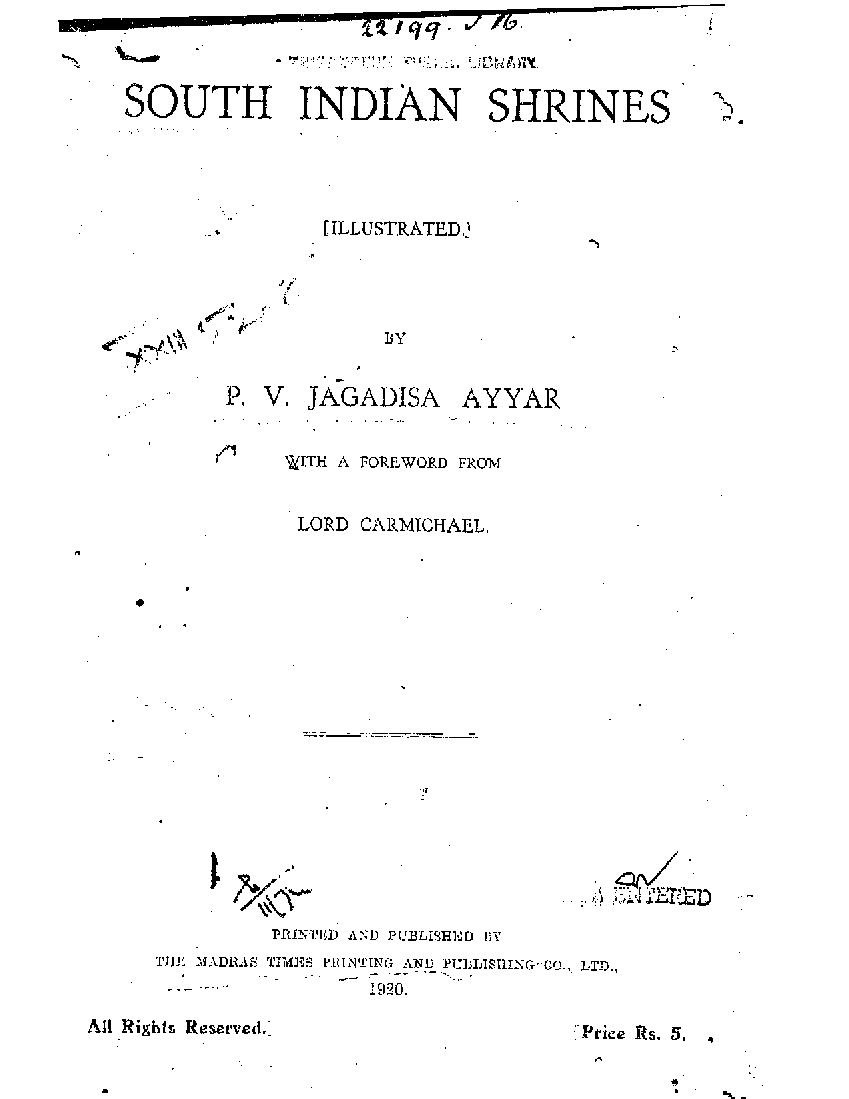
Academic Legacy
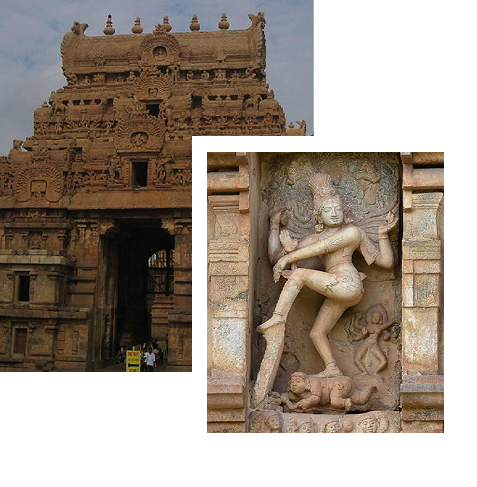
He delves into its mythological associations and religious significance, providing a holistic perspective. Unlike many academic texts of the time, Ayyar employs clear and engaging language, making the temple’s intricacies accessible to a wider audience. The Brihadisvara Temple, commissioned by Chola king Rajendra I, receives particular attention in the book. Ayyar highlights its Monumental Scale, Exquisite Sculptures and Historical Significance.
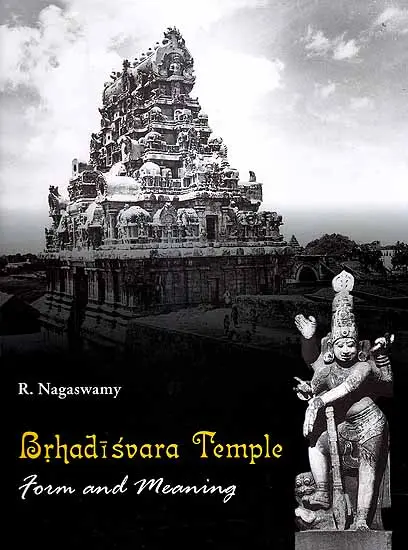
Lorem Ipsum is simply dummy text of the printing and typesetting industry. Lorem Ipsum has been the industry’s standard dummy text ever since the 1500s, when an unknown printer took a galley of type and scrambled it to make a type specimen book. It has survived not only five centuries, but also the leap into electronic typesetting, remaining essentially unchanged. It was popularised in the 1960s with the release of Letraset sheets containing Lorem Ipsum passages, and more recently with desktop publishing software like Aldus PageMaker including versions of Lorem Ipsum
Lorem Ipsum is simply dummy text of the printing and typesetting industry. Lorem Ipsum has been the industry’s standard dummy text ever since the 1500s, when an unknown printer took a galley of type and scrambled it to make a type specimen book. It has survived not only five centuries, but also the leap into electronic typesetting, remaining essentially unchanged. It was popularised in the 1960s with the release of Letraset sheets containing Lorem Ipsum passages, and more recently with desktop publishing software like Aldus PageMaker including versions of Lorem Ipsum
Lorem Ipsum is simply dummy text of the printing and typesetting industry. Lorem Ipsum has been the industry’s standard dummy text ever since the 1500s, when an unknown printer took a galley of type and scrambled it to make a type specimen book. It has survived not only five centuries, but also the leap into electronic typesetting, remaining essentially unchanged.
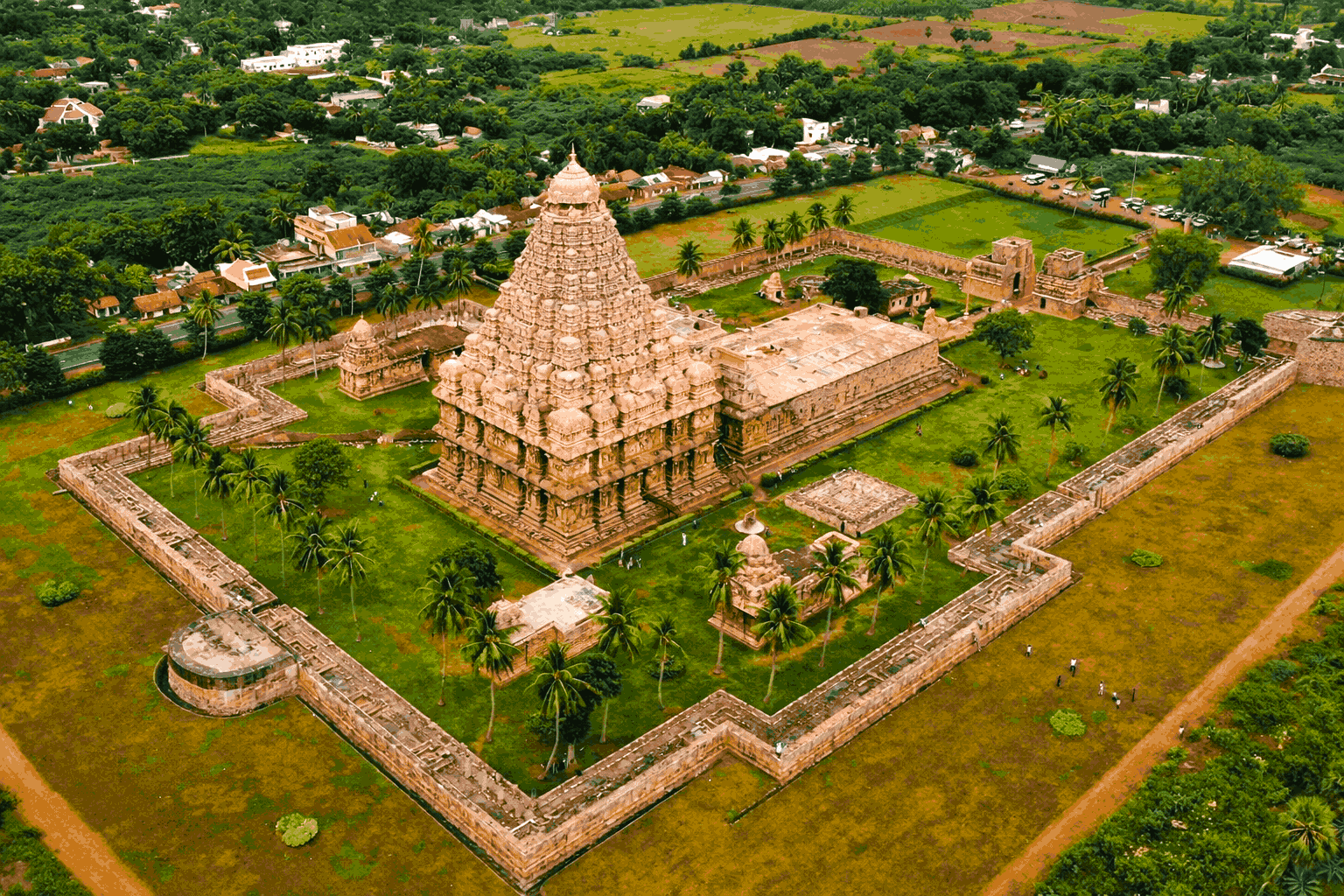
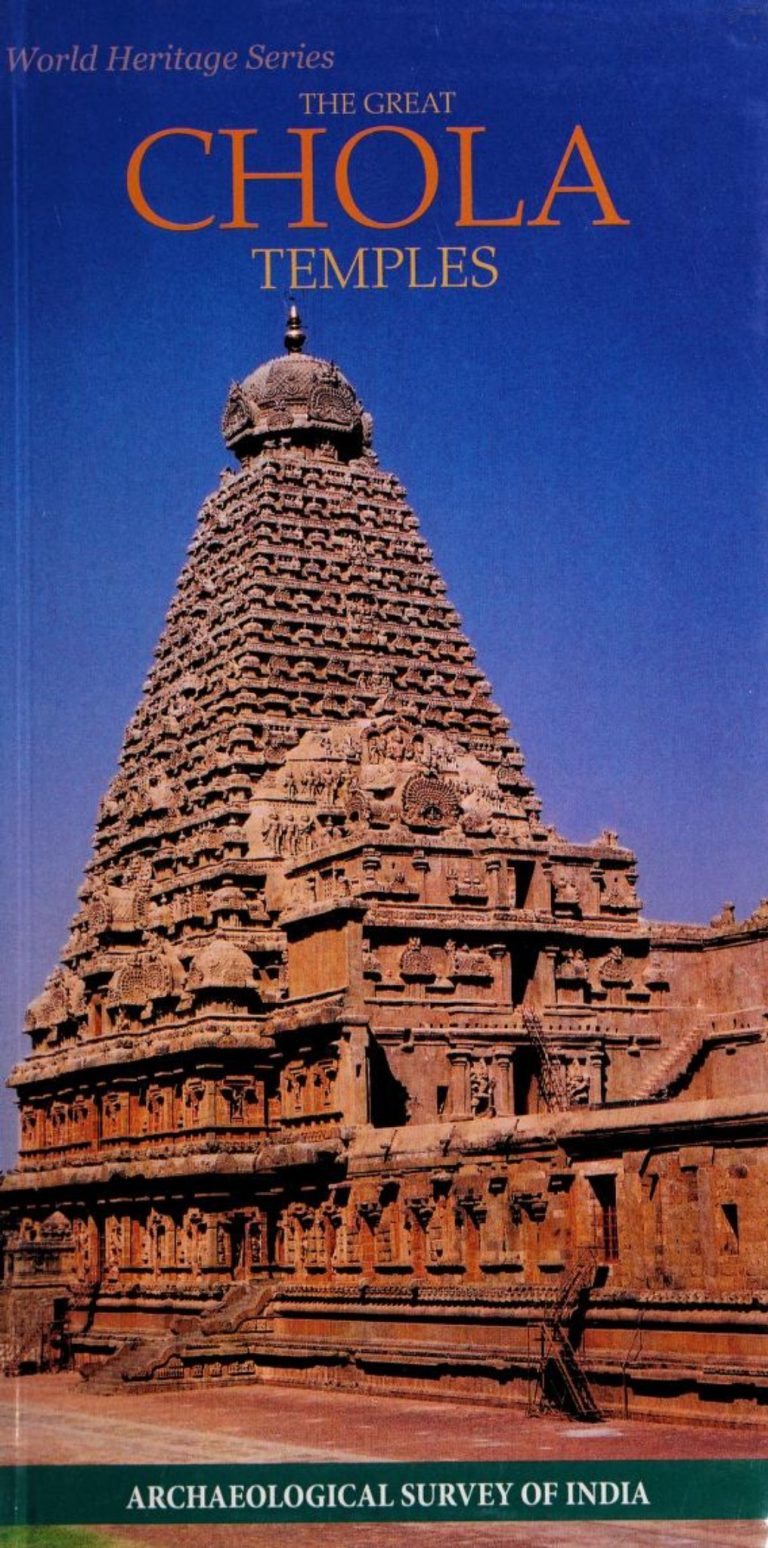
To commemorate his conquest, Rajendra I founded a new capital city – Gangaikonda Cholapuram, named after the Ganges River. This new city symbolized his imperial reach and served as a strategic location for further campaigns. Within this city, the Brihadeshvara Temple was constructed between 1020 and 1035 CE.
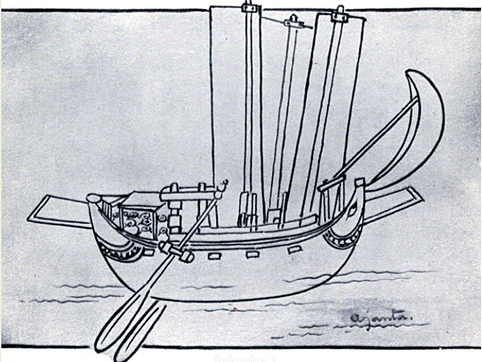
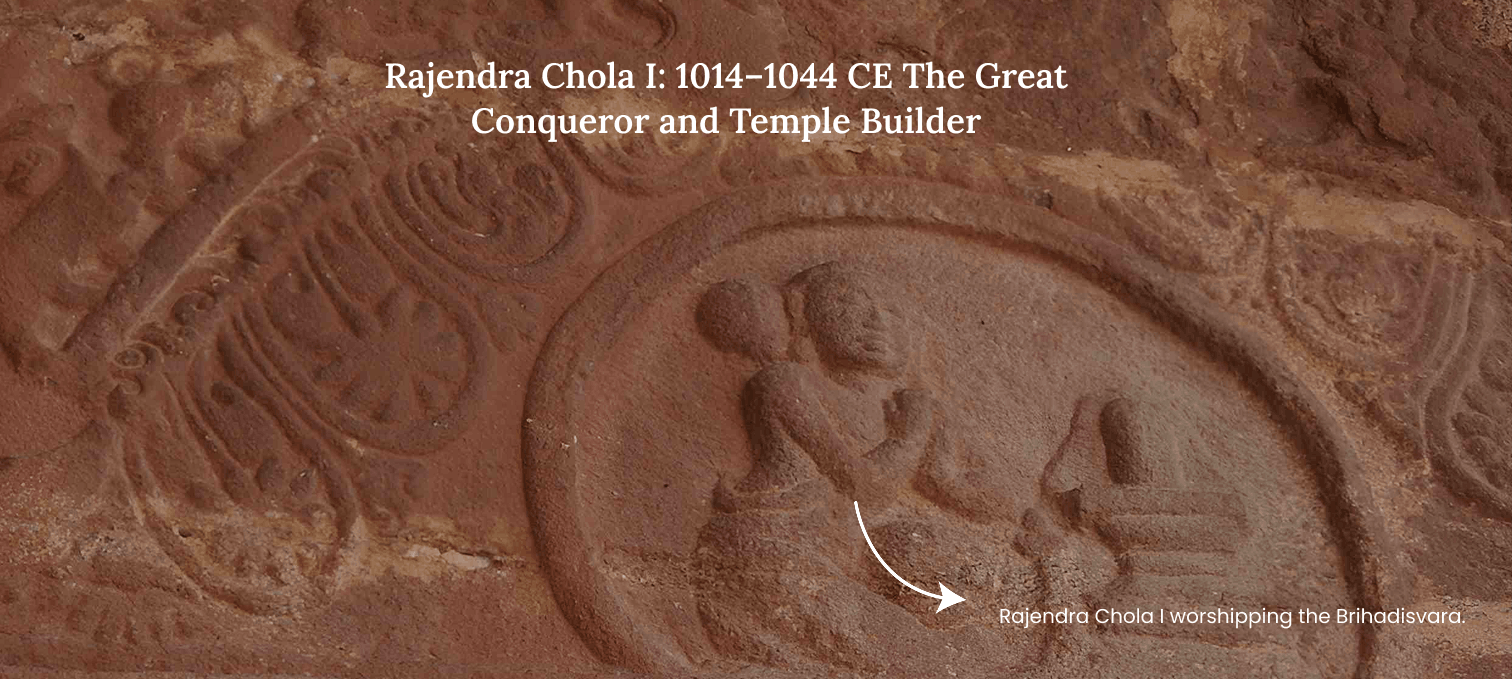
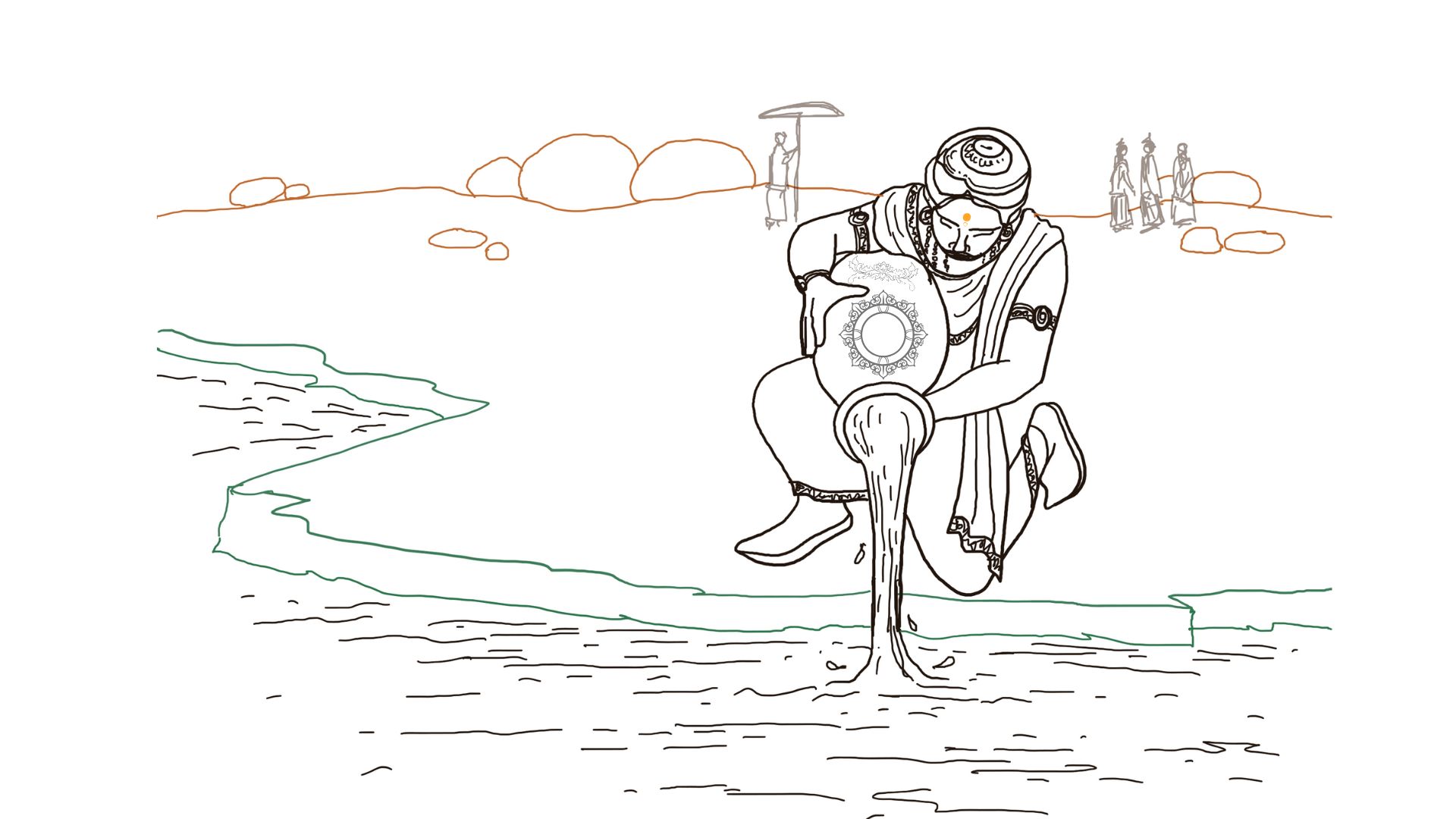
The Cholas were a powerful dynasty that ruled parts of southern India from the 3rd century BCE to the 13th century CE. During their reign, they achieved great prosperity and established a vast empire, leaving behind a rich legacy of art, architecture, and literature. The construction of the Brihadeshvara Temple at Gangaikonda Cholapuram stands as a testament to their ambitions and achievements.
Gangaikonda Cholan (Rajendra Chola), one who built Gangaikonda Cholapuram, the Chola capital city where the holy water of Ganga was brought, is evidence enough for the commemoration of the conquest of the entire eastern coast of India by the Chola empire.
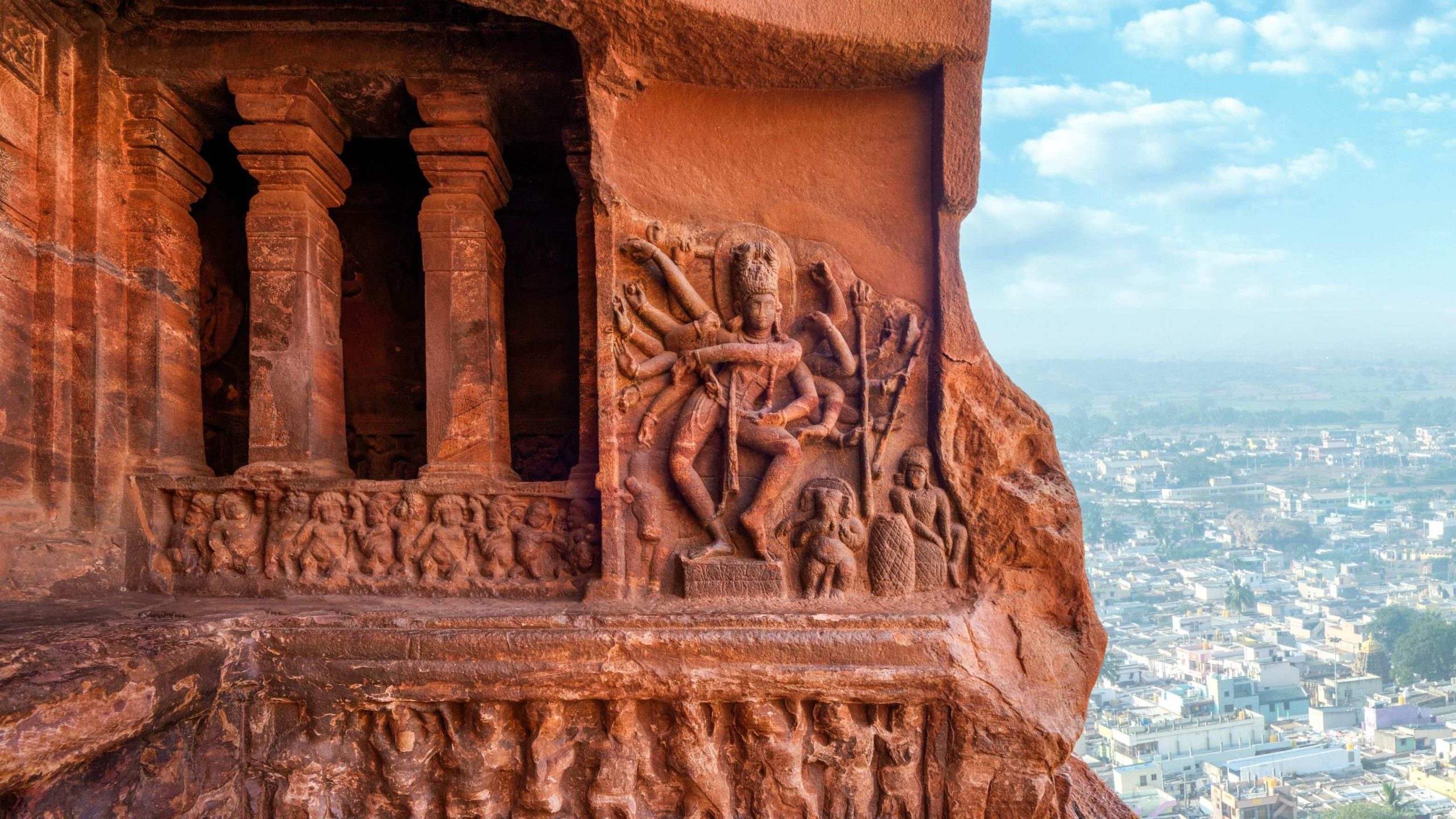
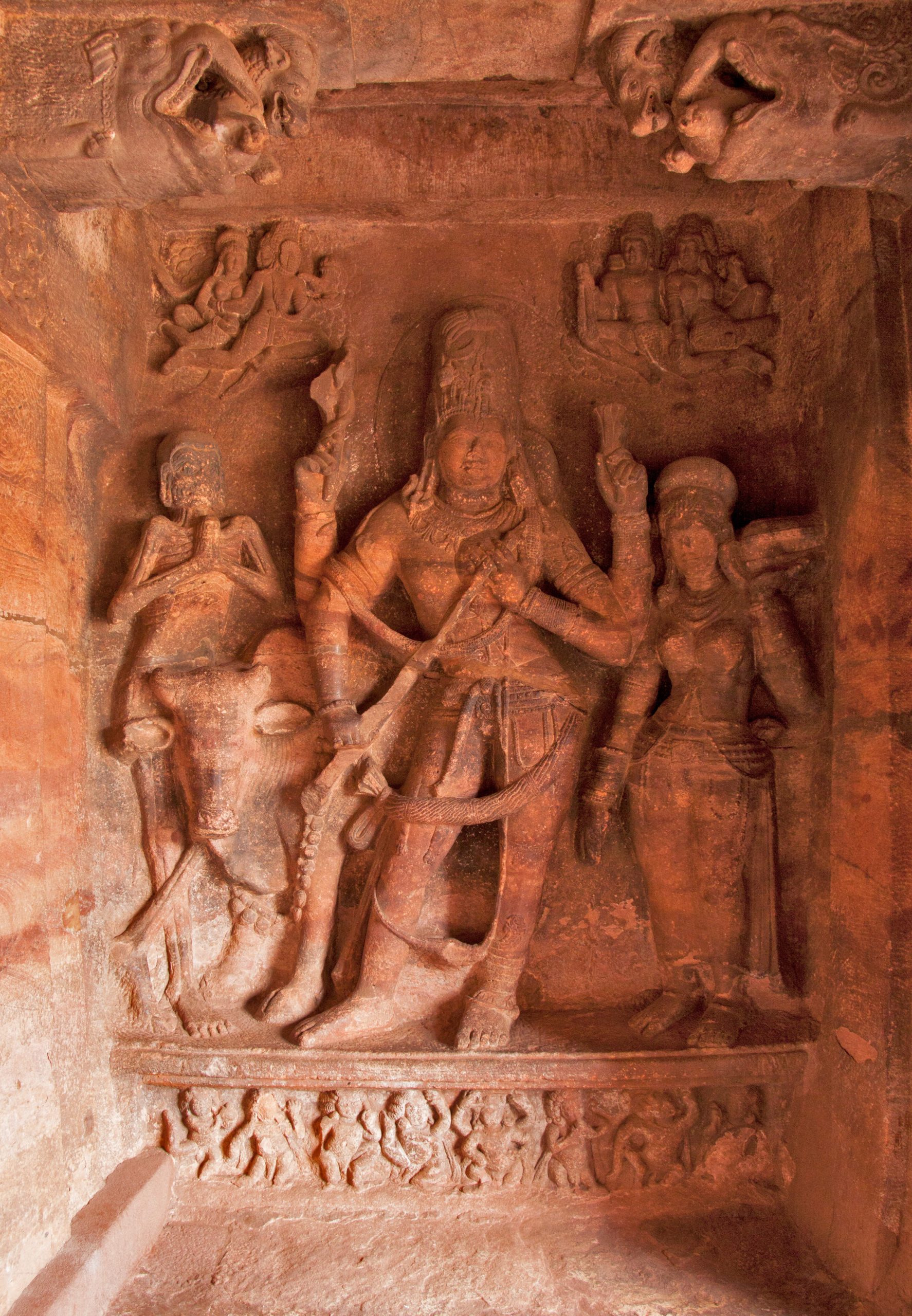
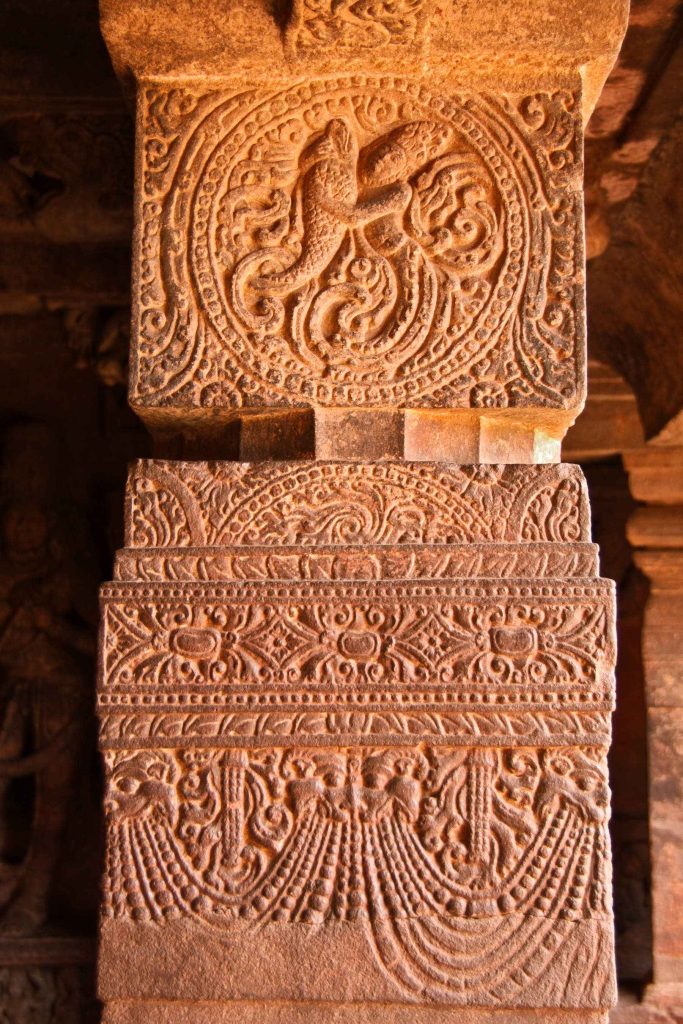
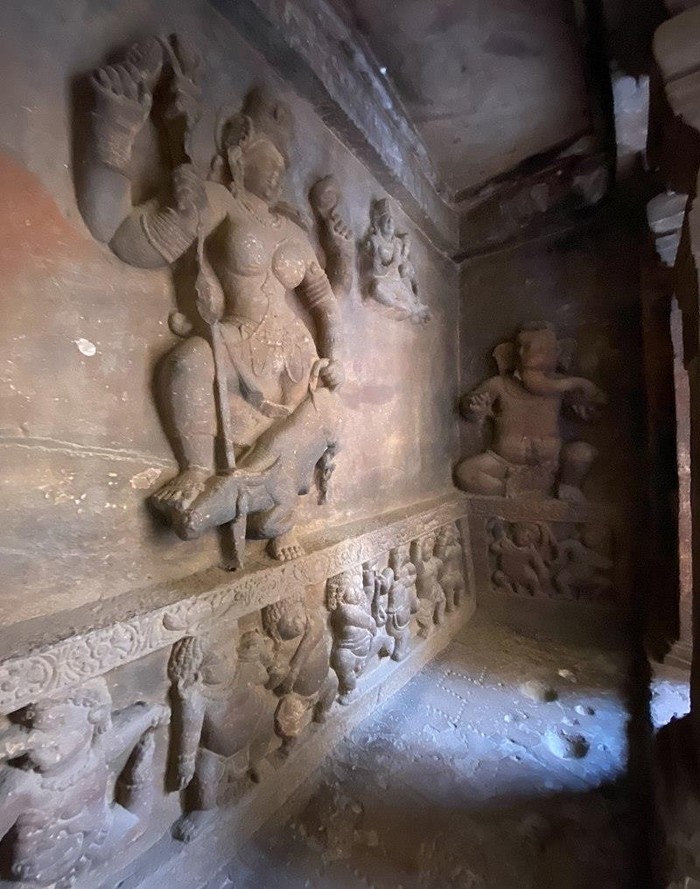
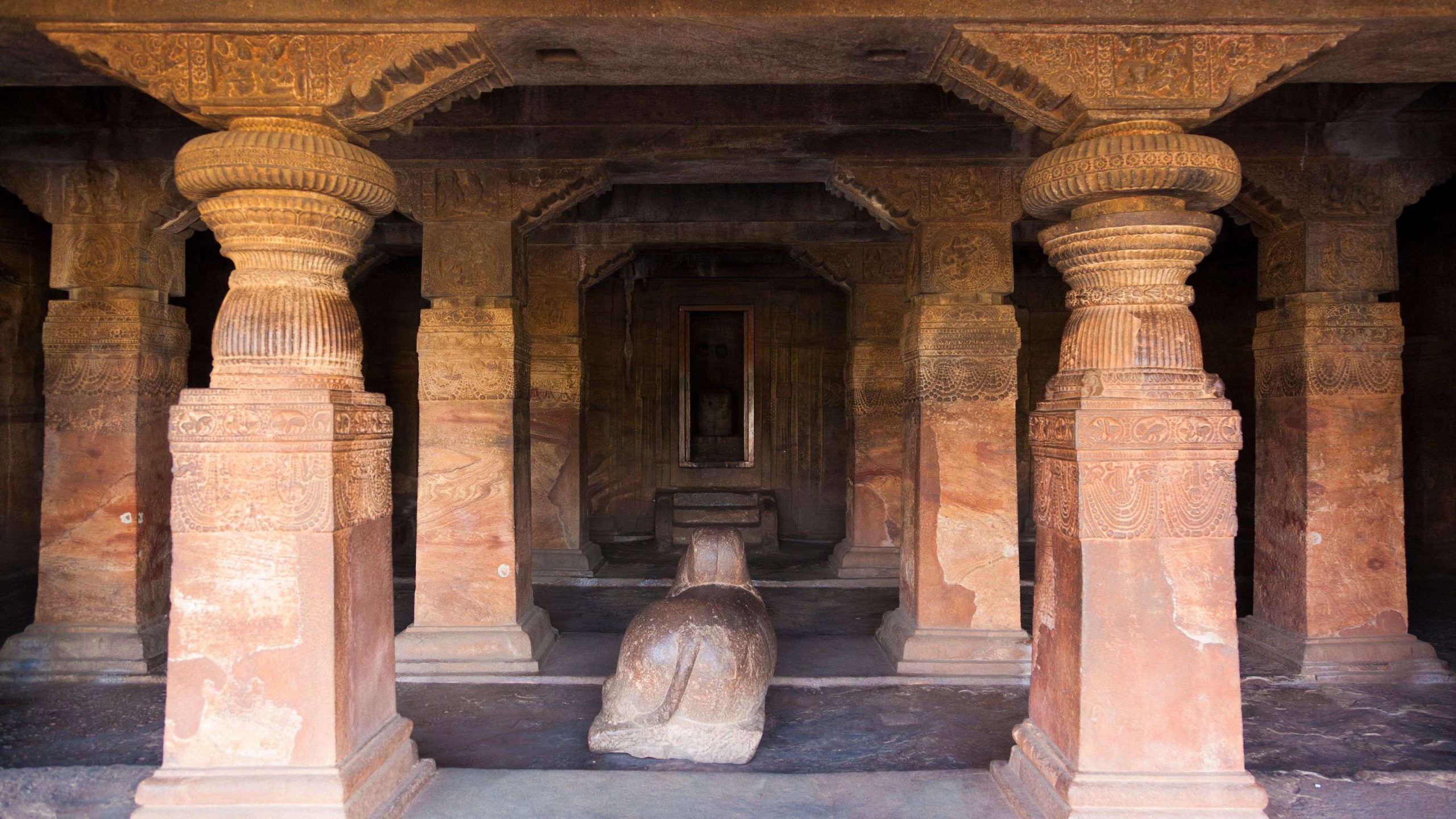
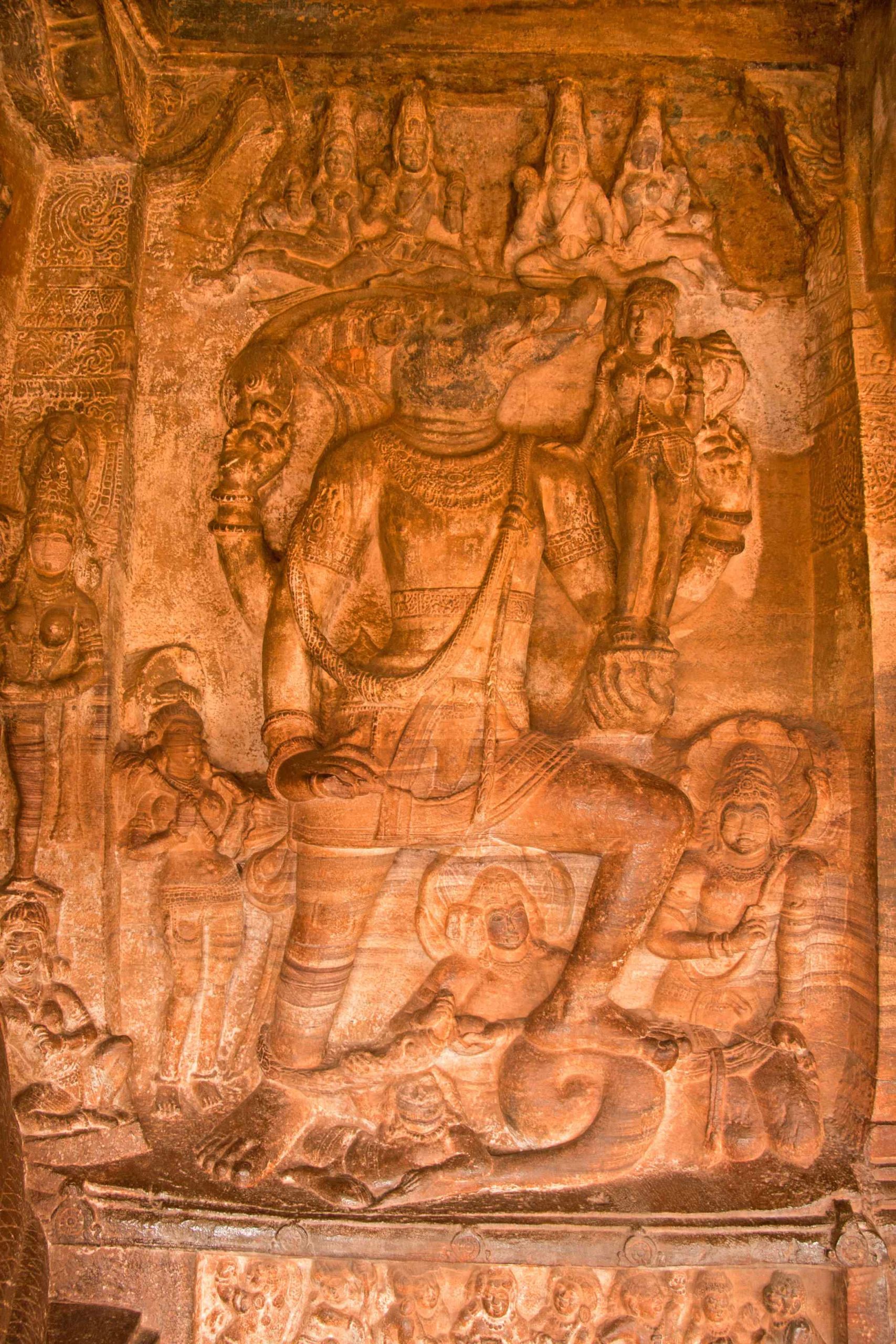
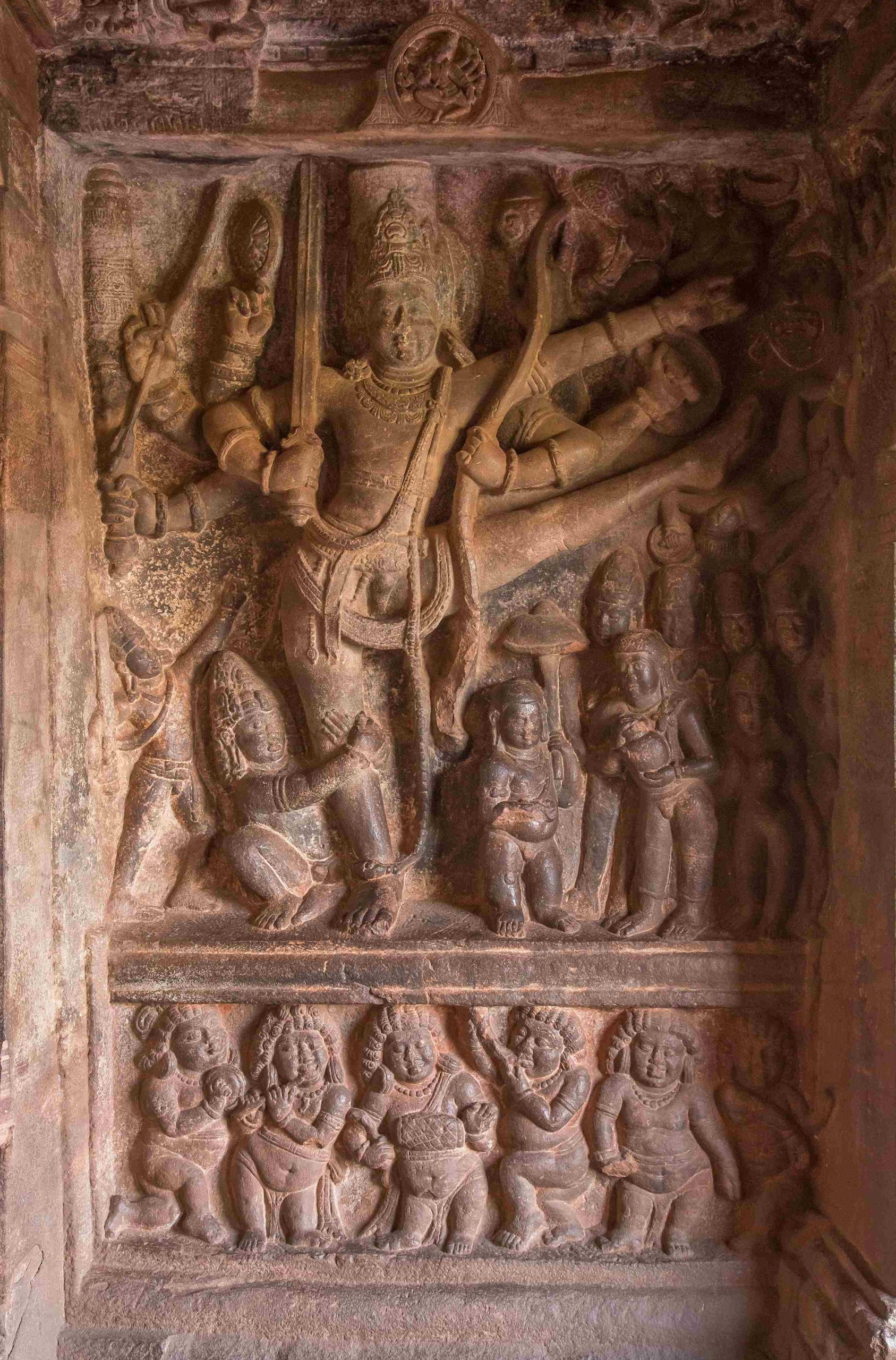
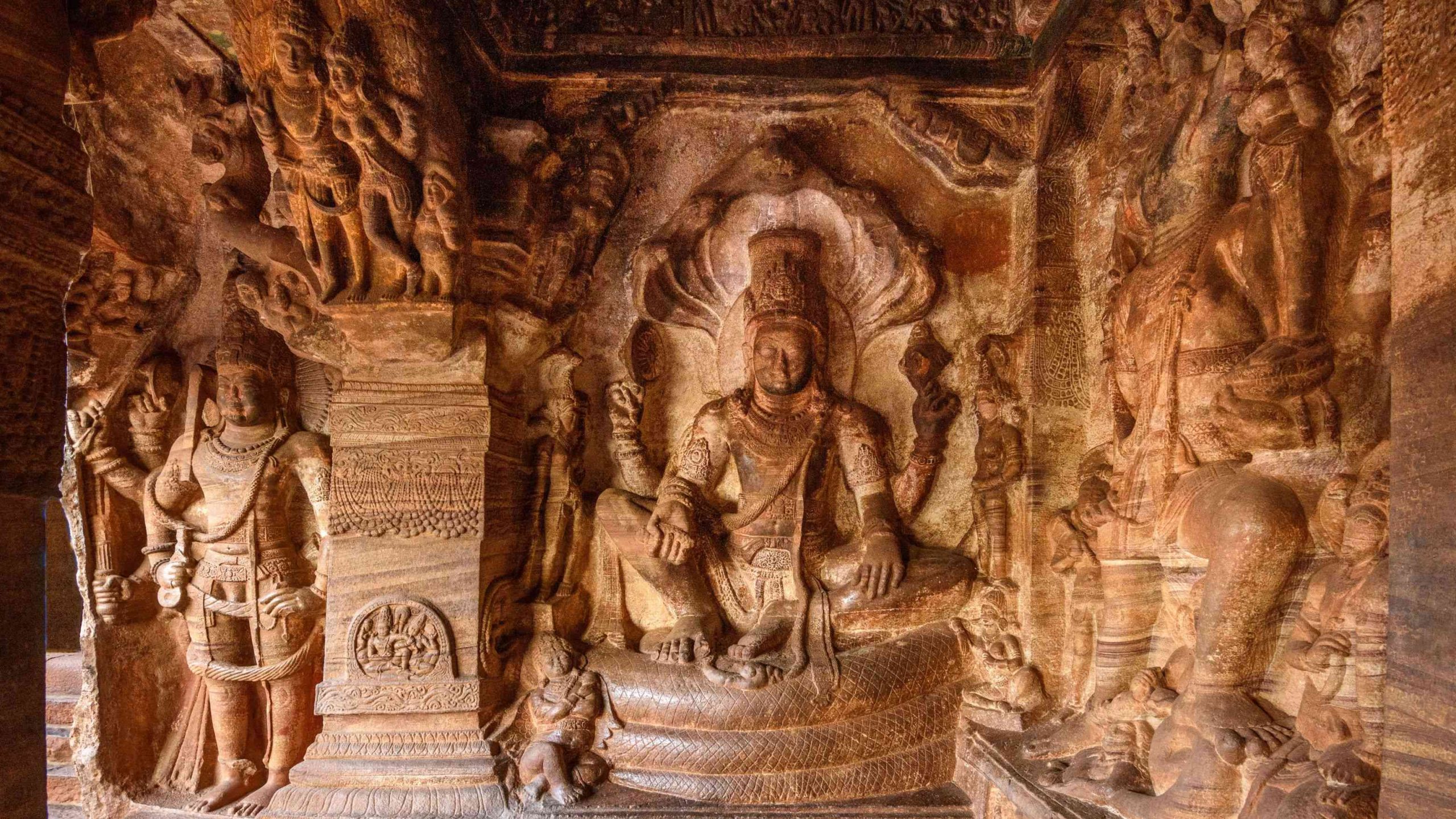
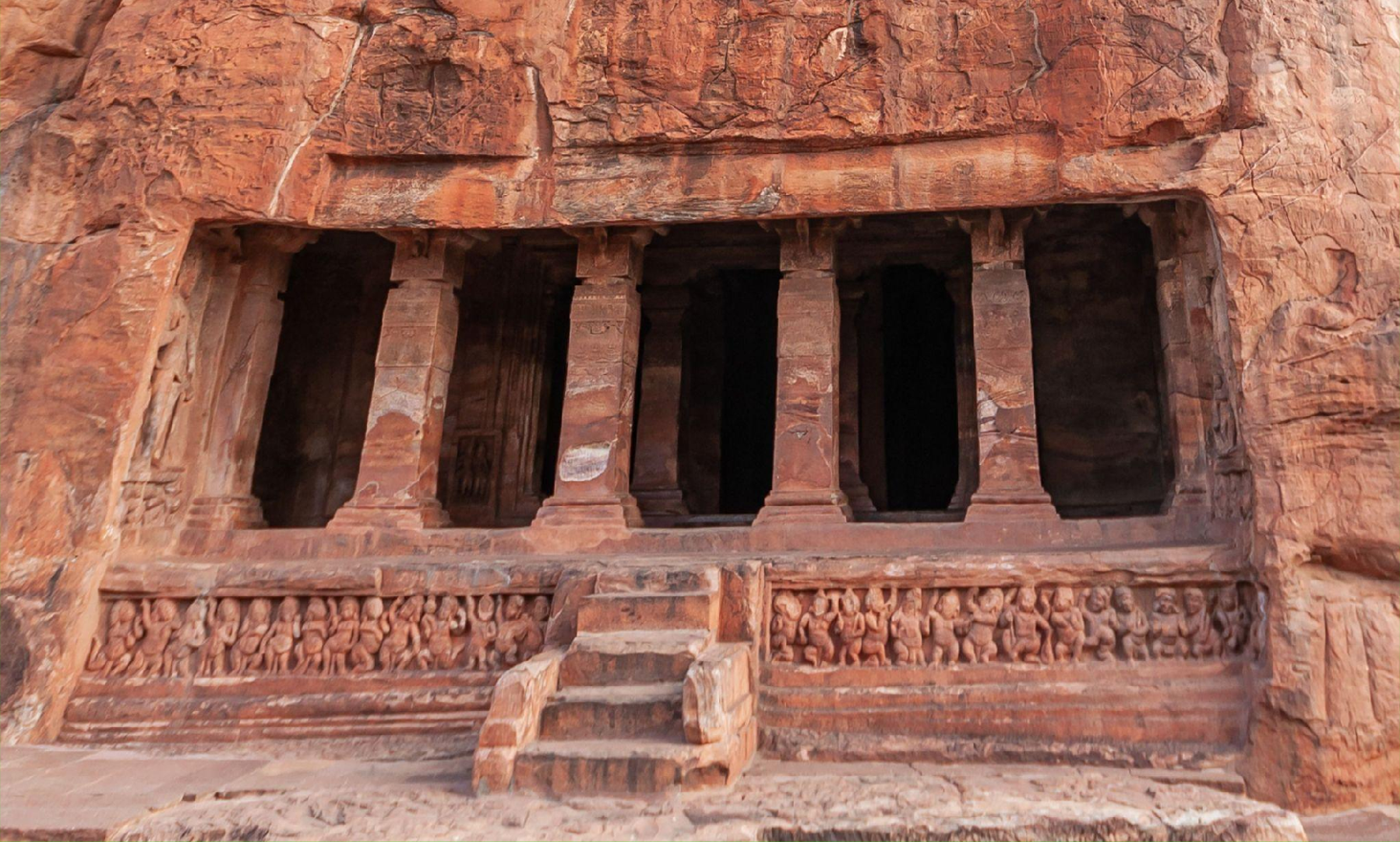
The pillars of Cave 1 are masterpieces in themselves. Square at the base and sixteen-sided near the top, they feature sunken panels with bas-reliefs of geese, makaras, and playful ganas. The capitals are adorned with scenes from divine realms, including Viṣṇu seated on Ananta in the sea of milk, and Śiva on Kailasa. Each panel tells a story, inviting visitors to pause and immerse themselves in the ancient narratives carved into stone.
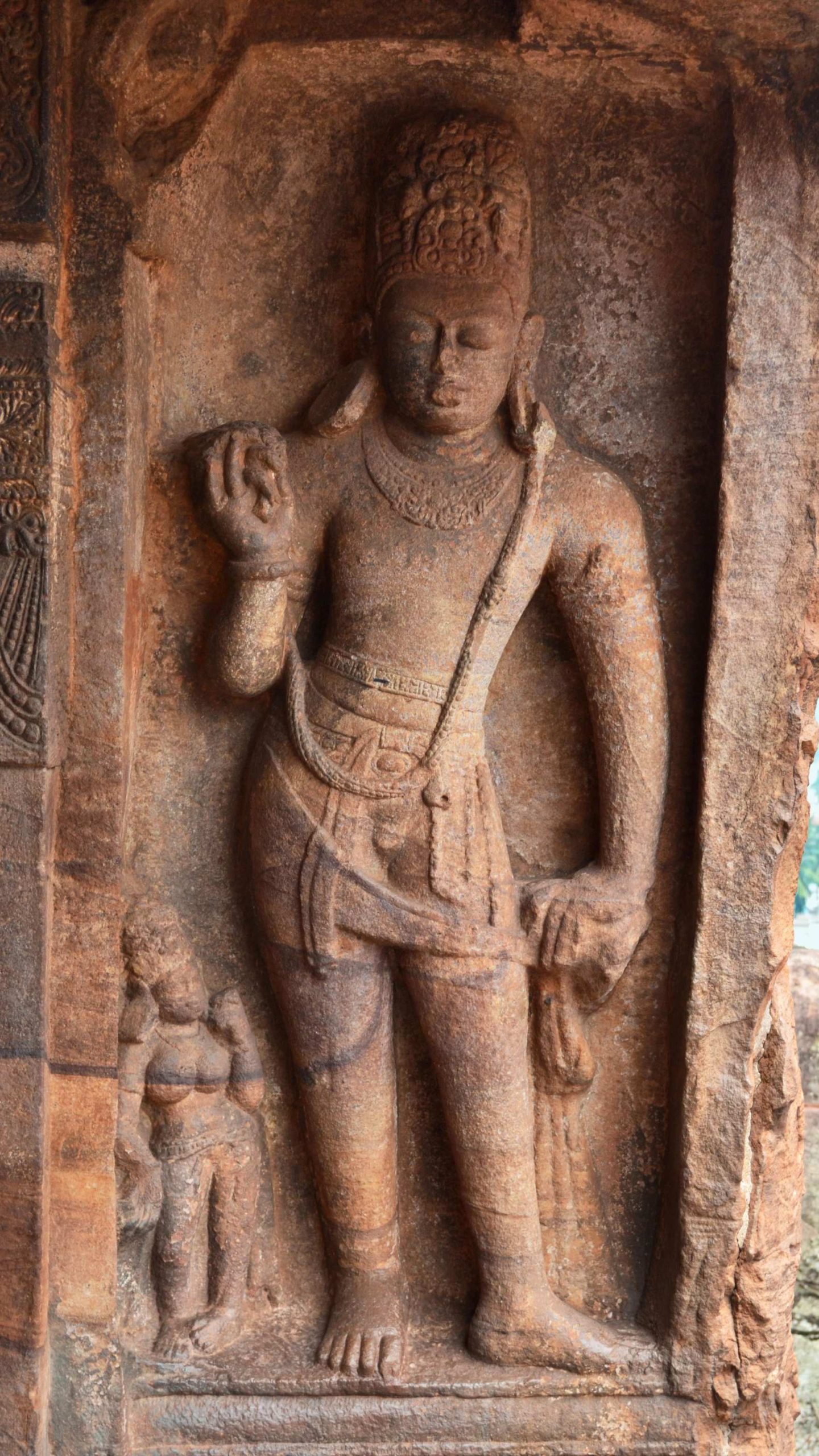
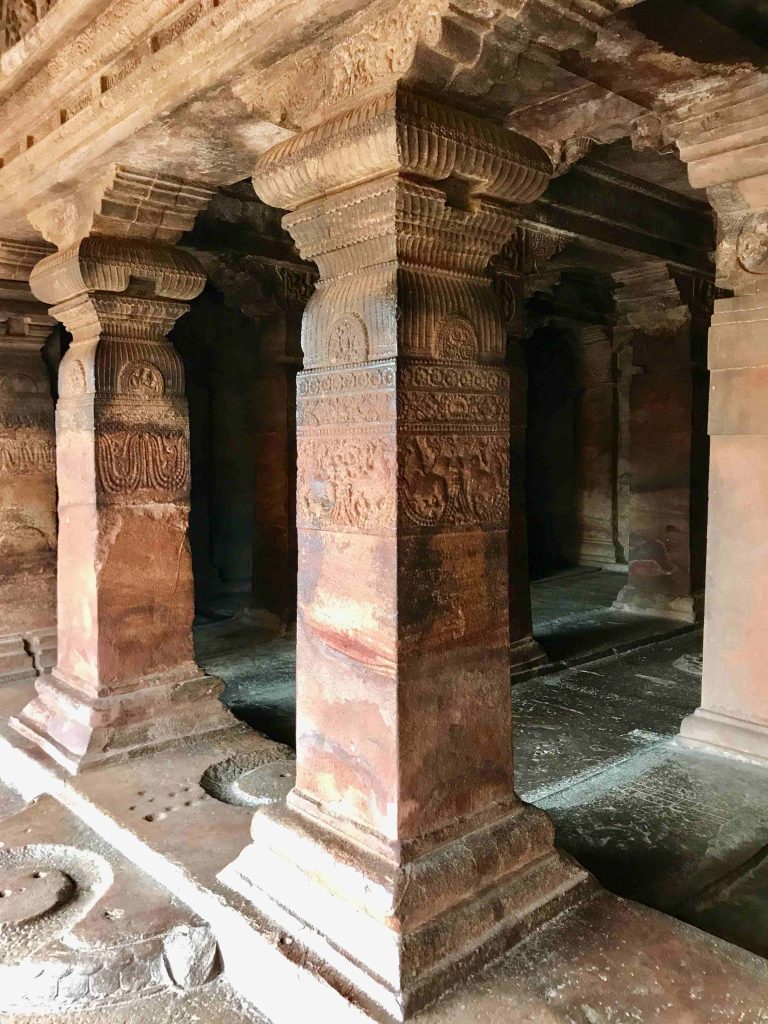
Mandapa and Divine Carvings
Lorem Ipsum is simply dummy text of the printing and typesetting industry. Lorem Ipsum has been the industry’s standard dummy text ever since the 1500s, when an unknown printer took a galley of type and scrambled it to make a type specimen book. It has survived not only five centuries, but also the leap into electronic typesetting, remaining essentially unchanged.
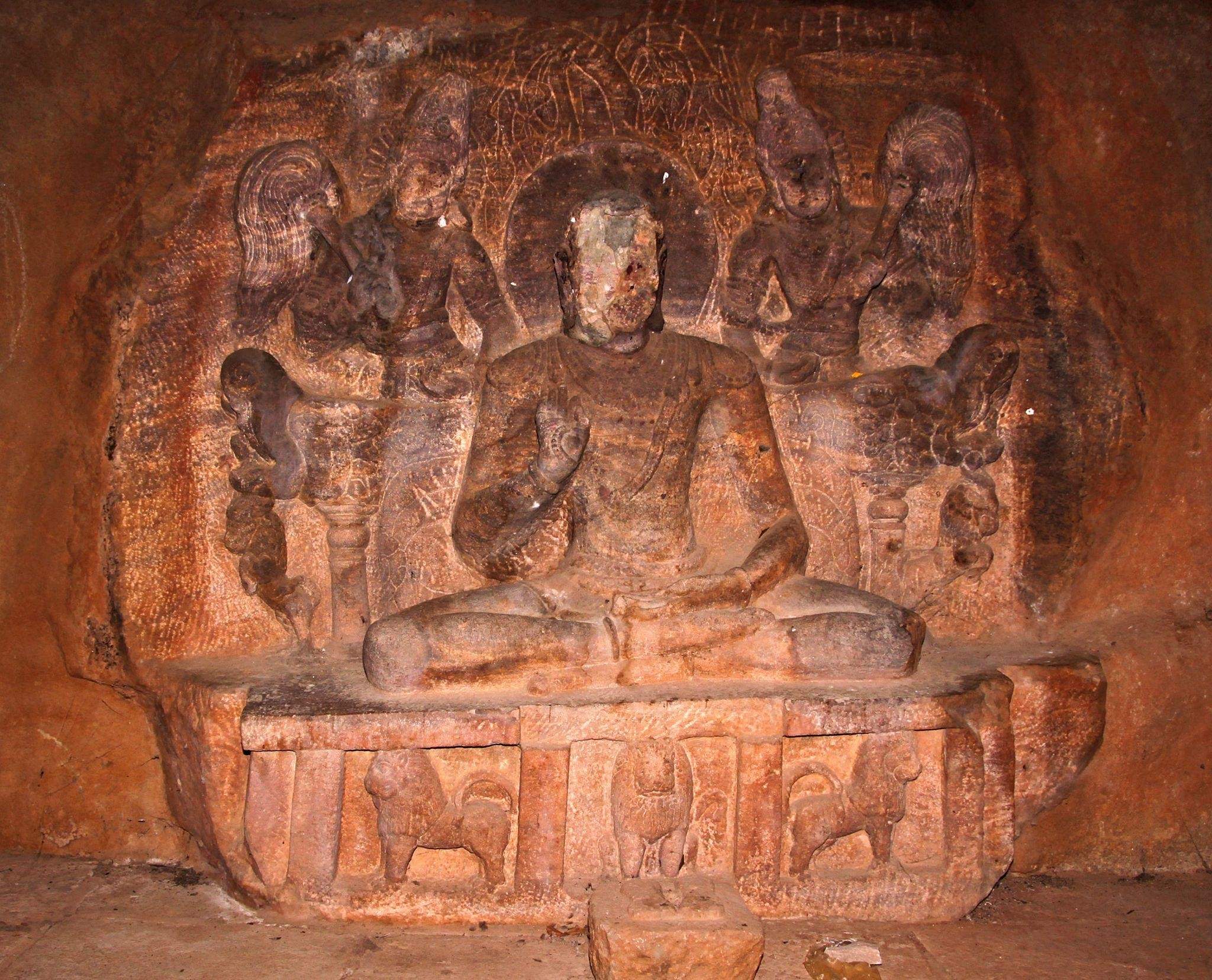
Explore how time, restoration, and heritage conservation have transformed Hampi from an ancient site into a must-visit cultural treasure.
Hampi’s ruins once stood silent, covered in history and nature’s embrace. Crumbling stone structures and overgrown pathways told tales of a forgotten empire.
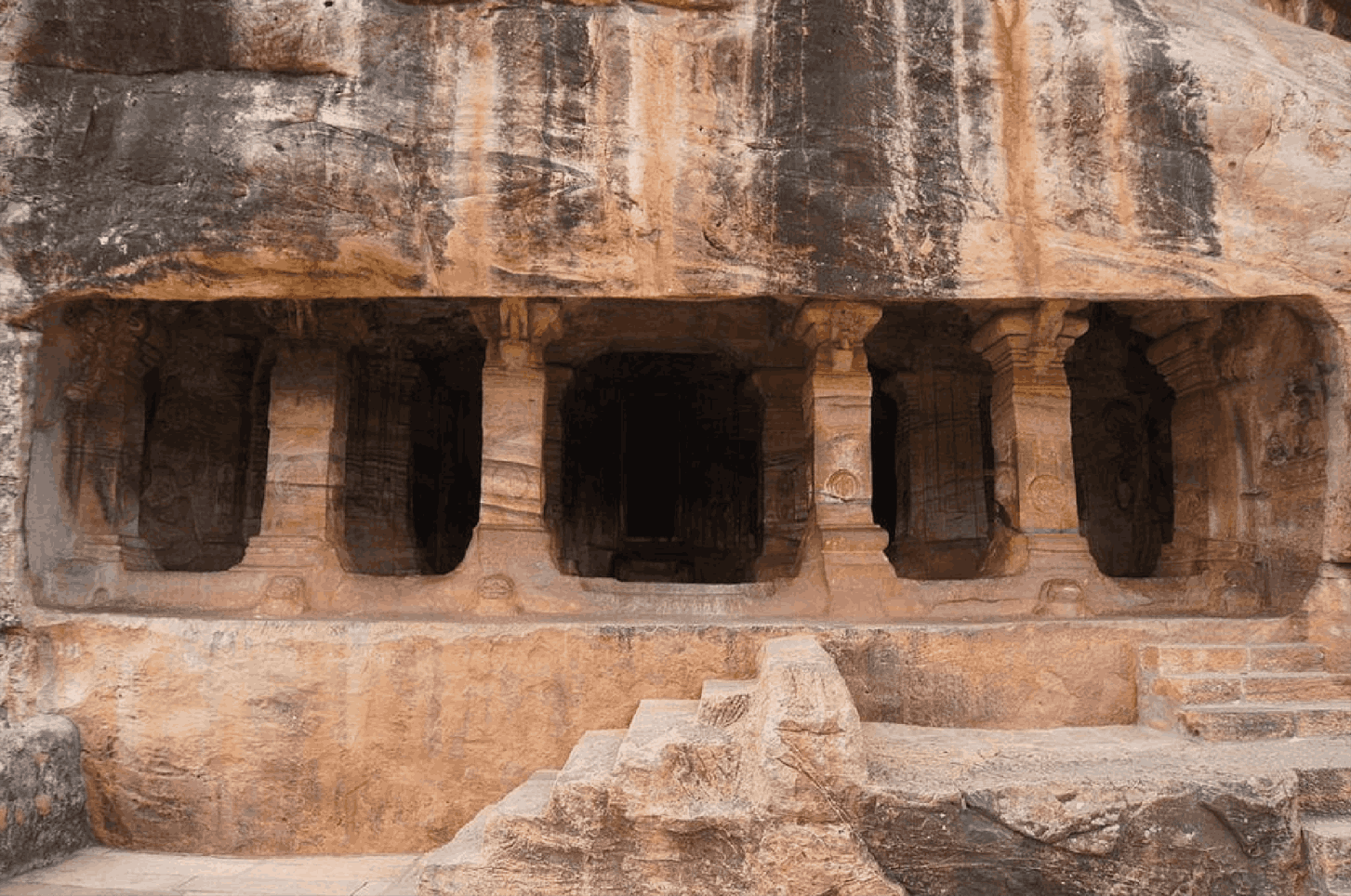
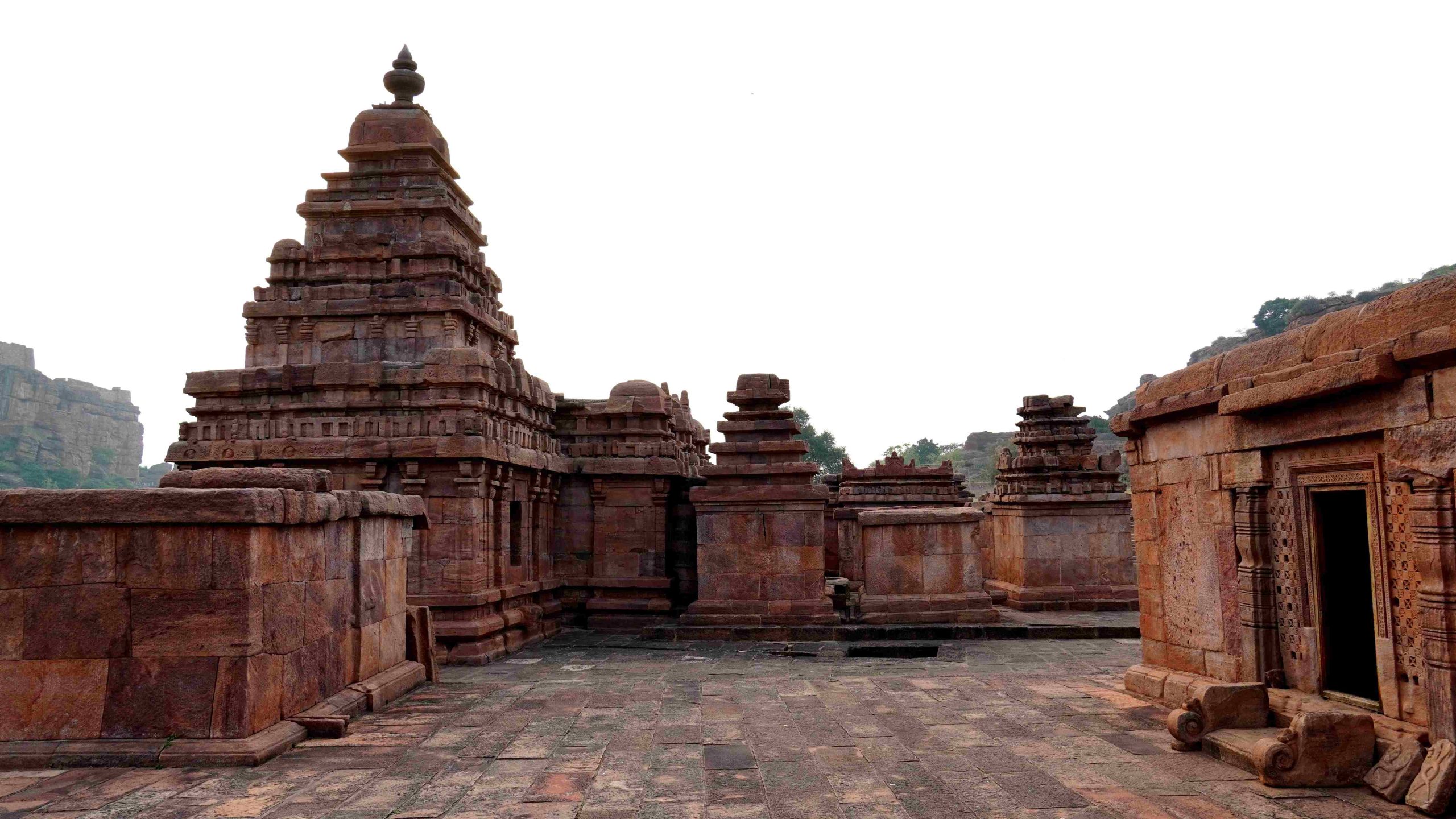
His military campaigns expanded Vijayanagara’s boundaries from the Krishna River in the north to the deep south of Tamil Nadu, making it one of the most powerful empires in India at the time. The Portuguese traveler Domingo Paes, who visited his court, wrote: Lorem Ipsum is simply dummy text of the printing and typesetting industry. Lorem Ipsum has been the industry’s standard dummy text ever since the 1500s, when an unknown printer took a galley of type and scrambled it to make a type specimen book.
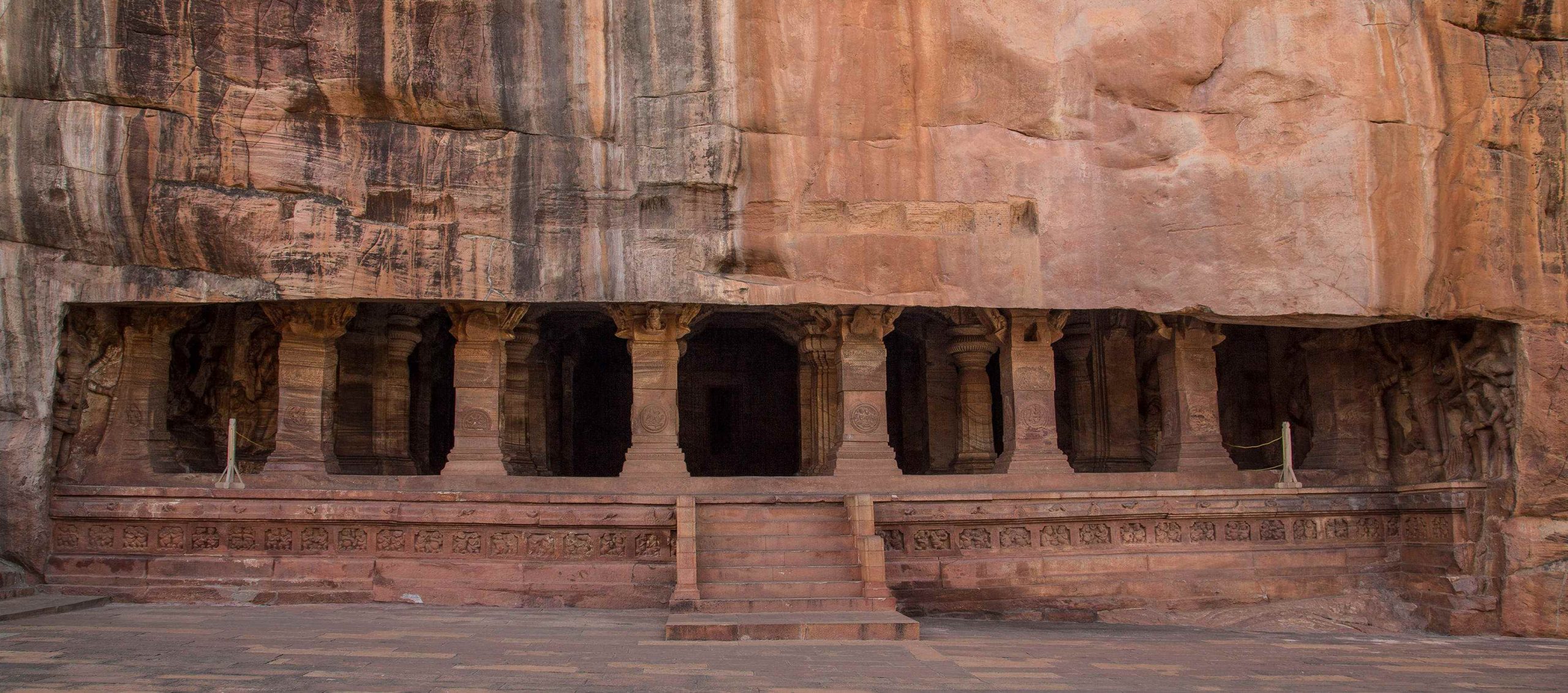
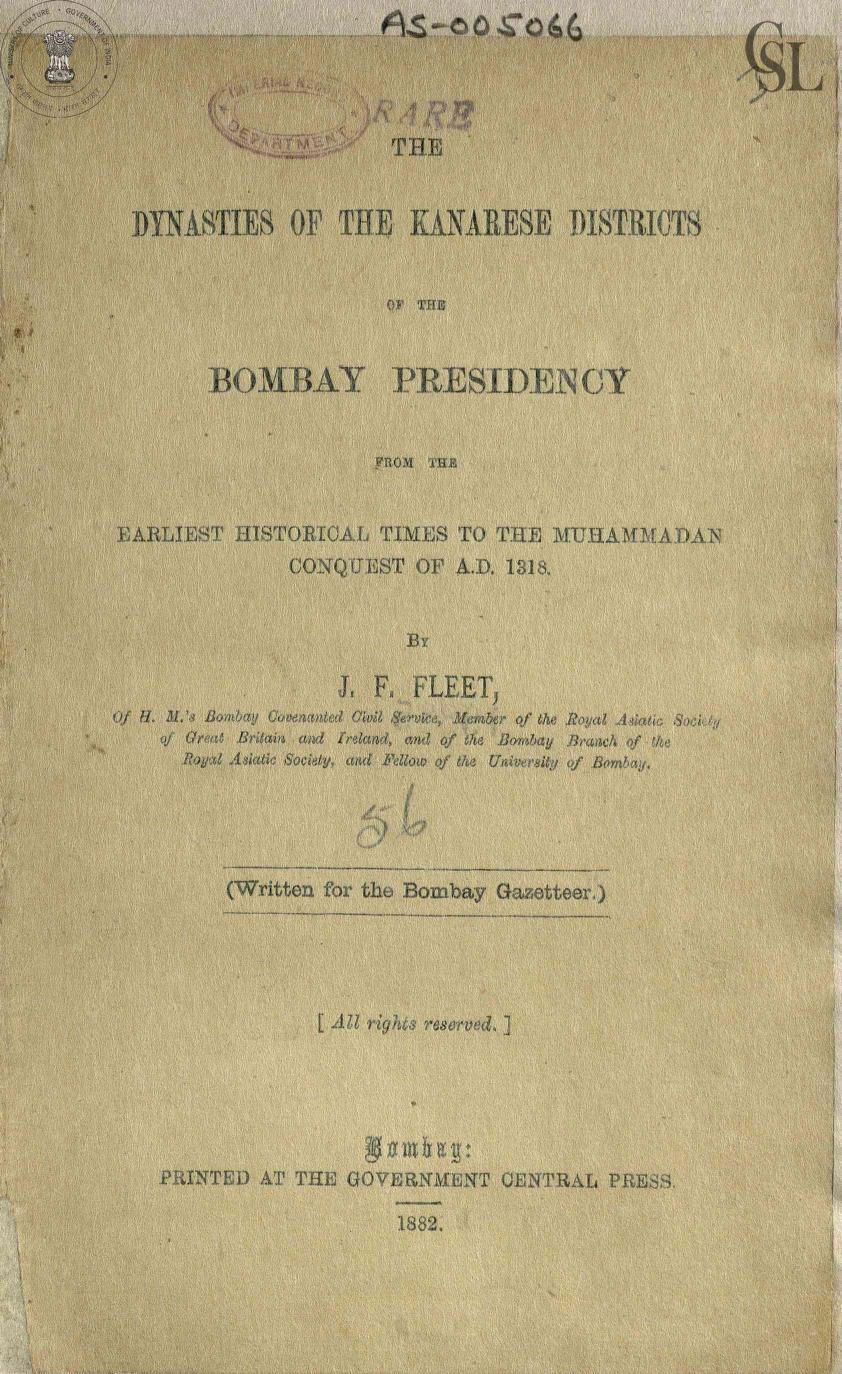
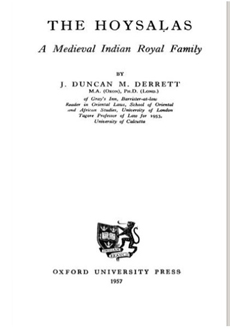
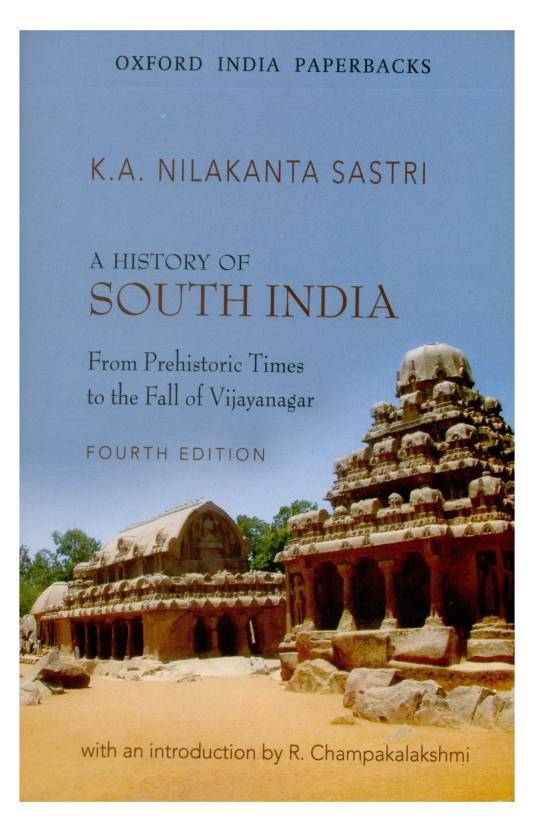
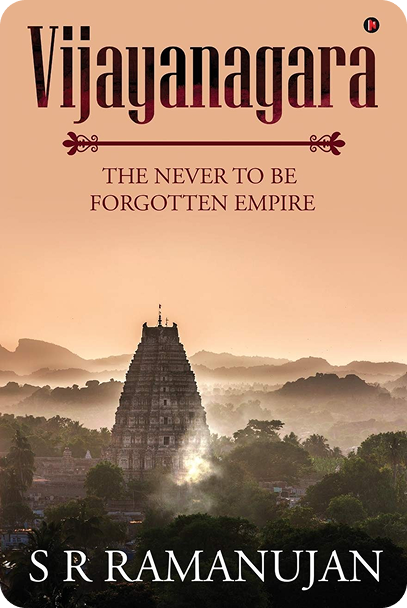
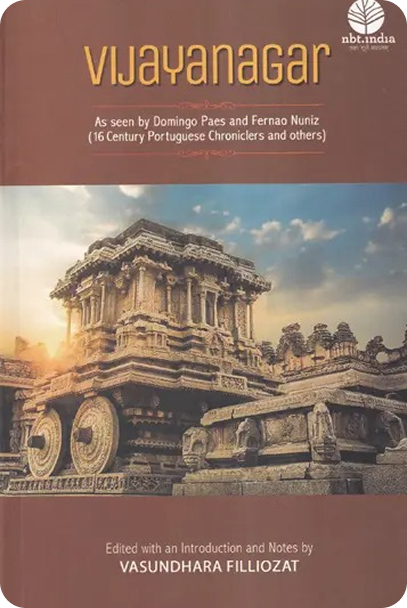
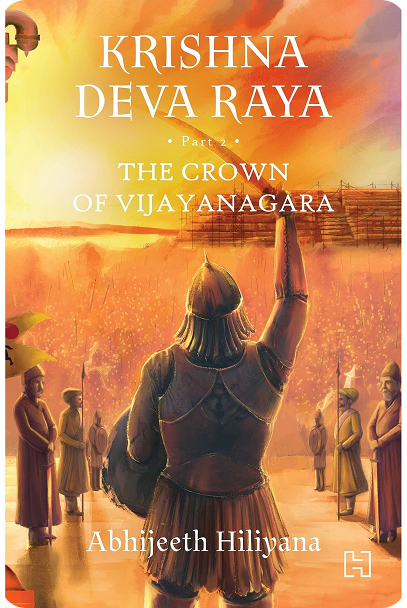
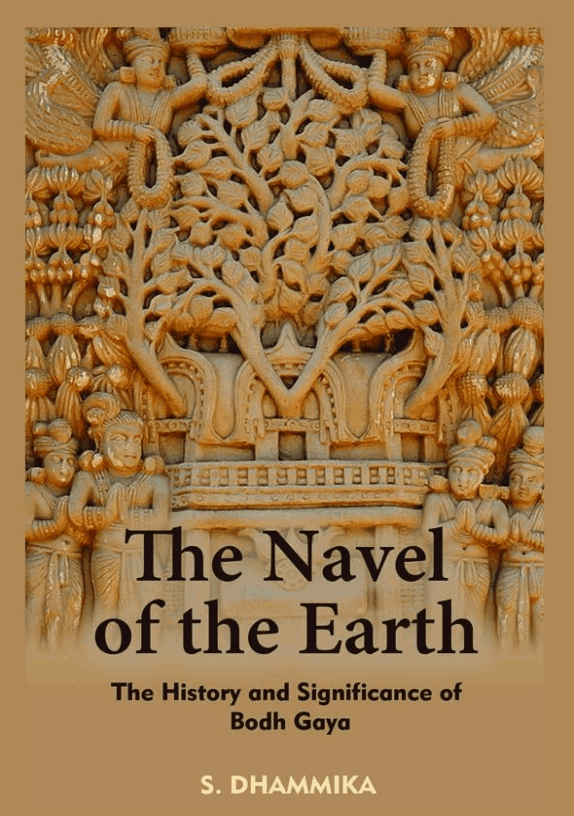
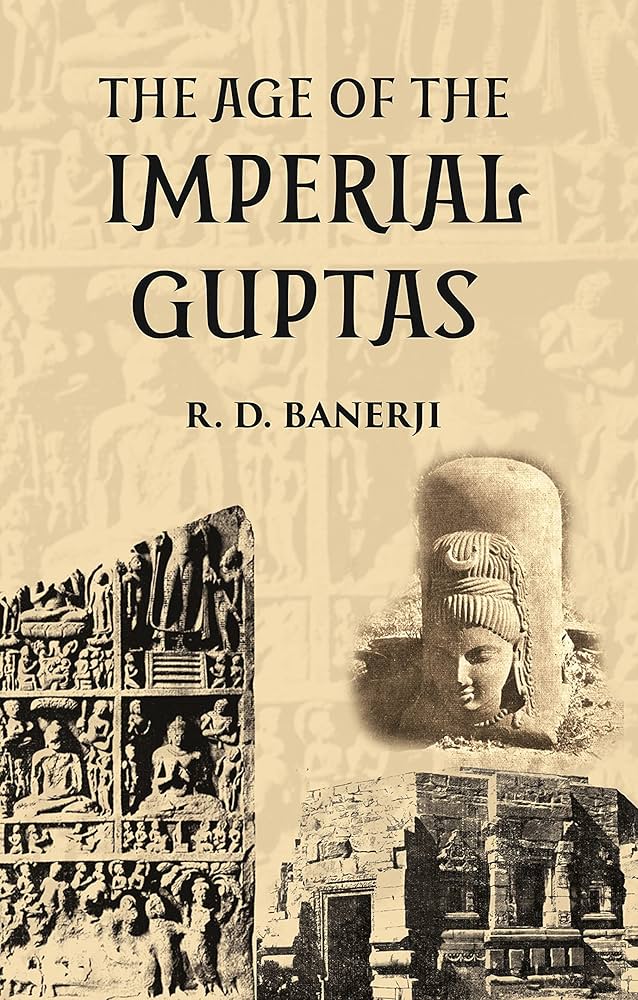
The history of the Vijayanagara Empire is vast and multifaceted, best understood through a careful study of key scholarly works. Below are some of the major books that offer detailed insights into its political history of the region

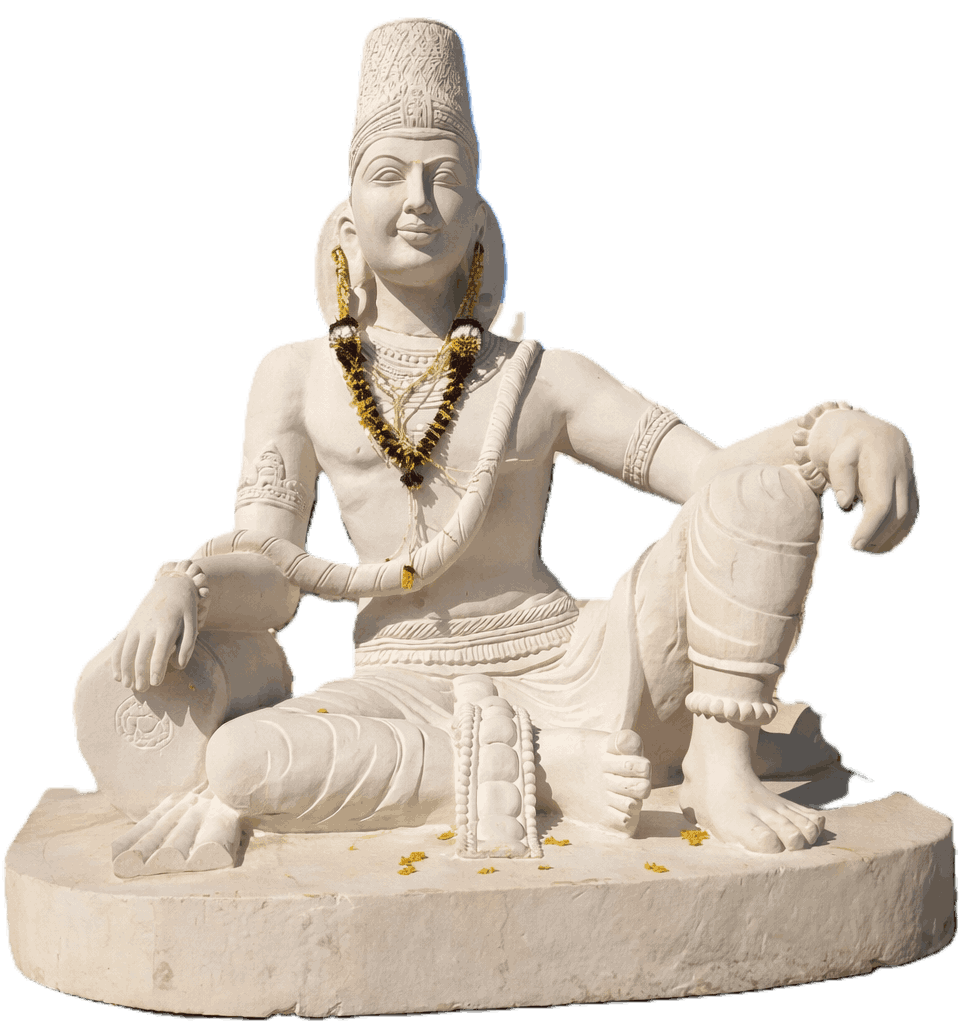
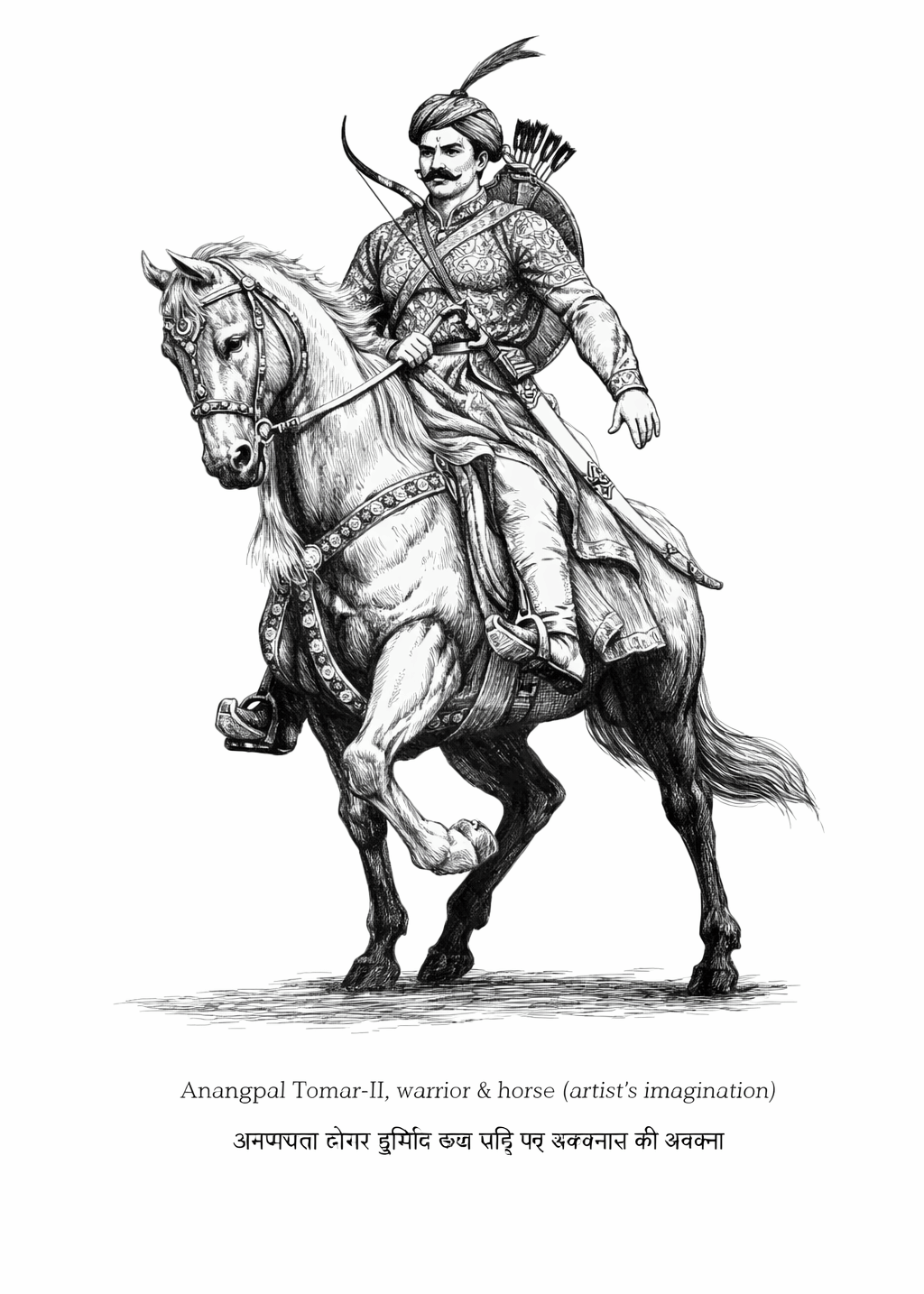
Pulikeshi II (c. 608–642 CE) Dakshinapatheshwara — Lord of the Southern Path
Beyond warfare, Pulikeshi II’s court projected confidence on the world stage. Diplomatic exchanges reached as far as Iran, and foreign
travellers described his realm as prosperous, well governed and culturally vibrant. Though his later conflict with the Pallavas ended in defeat and the temporary loss of Badami, his reign remains the high watermark of Early Chalukyan power.
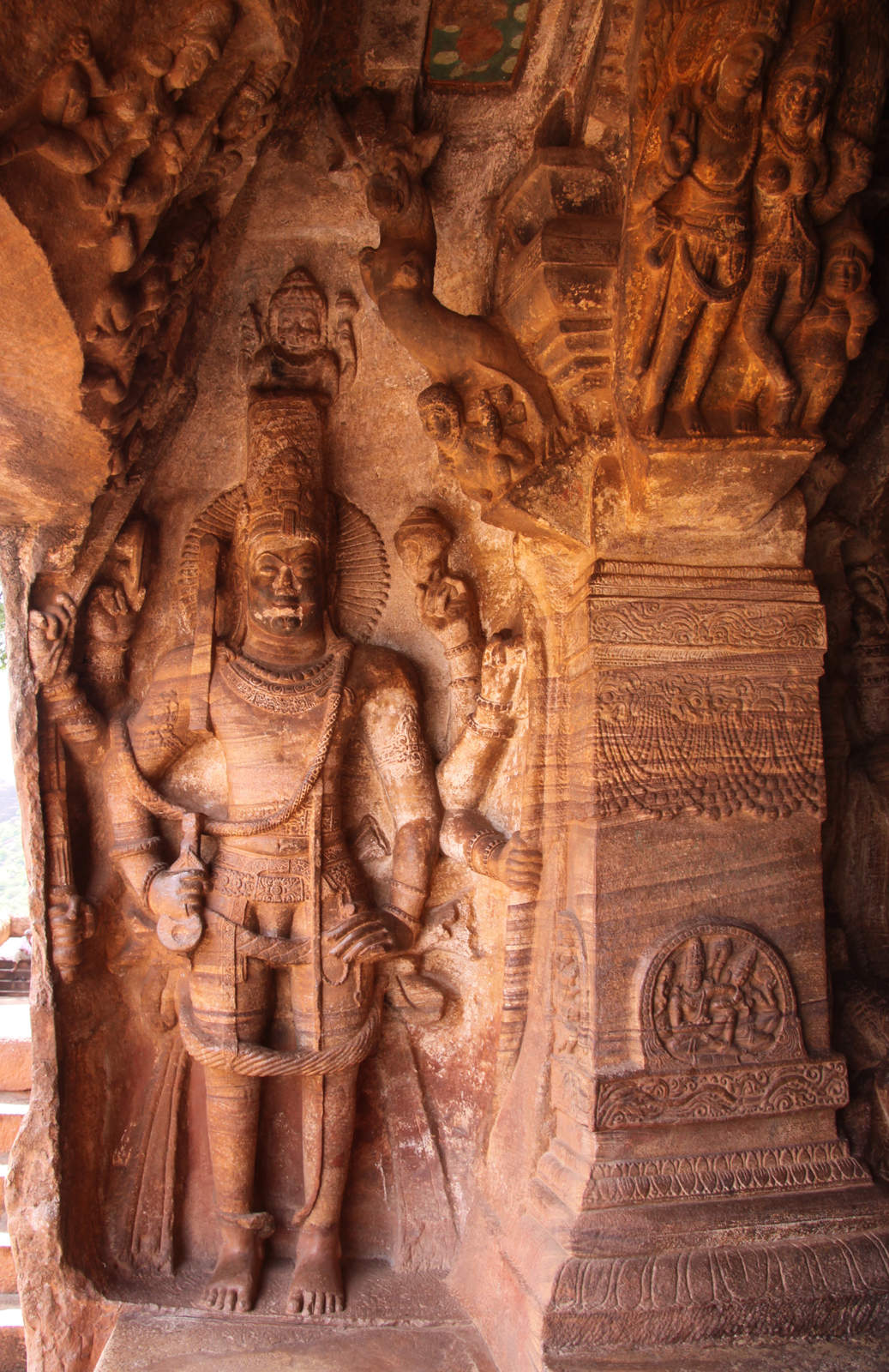
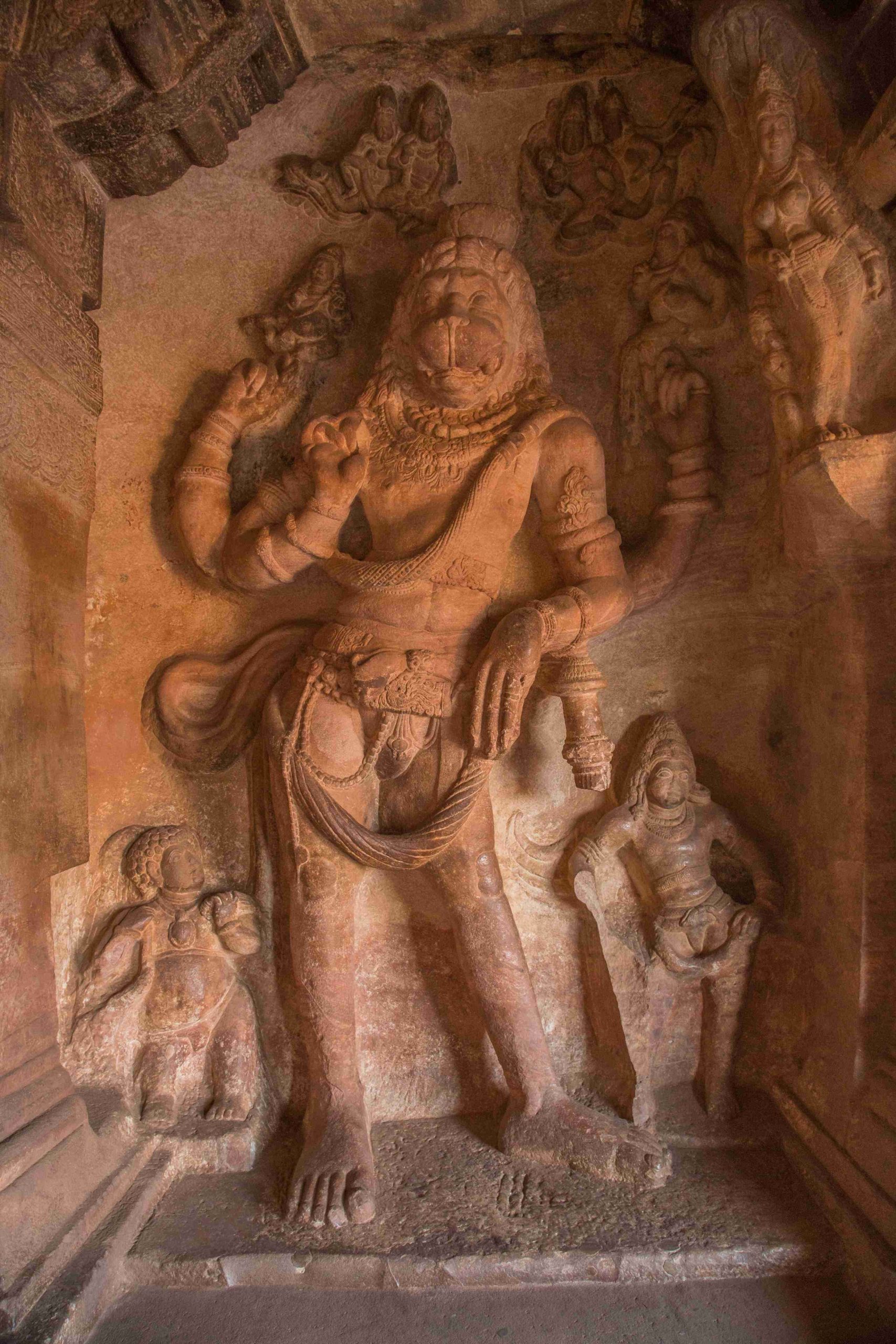
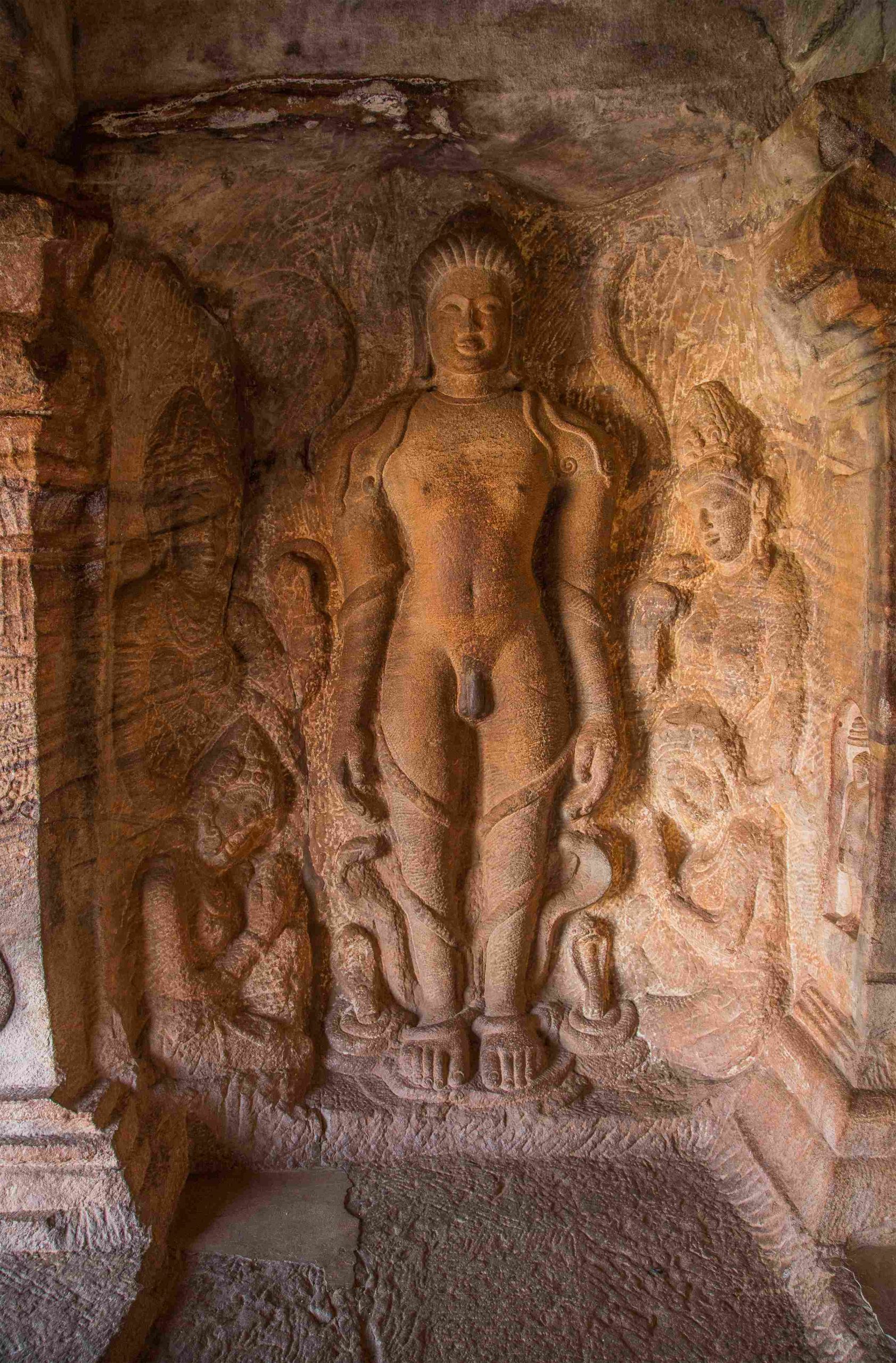
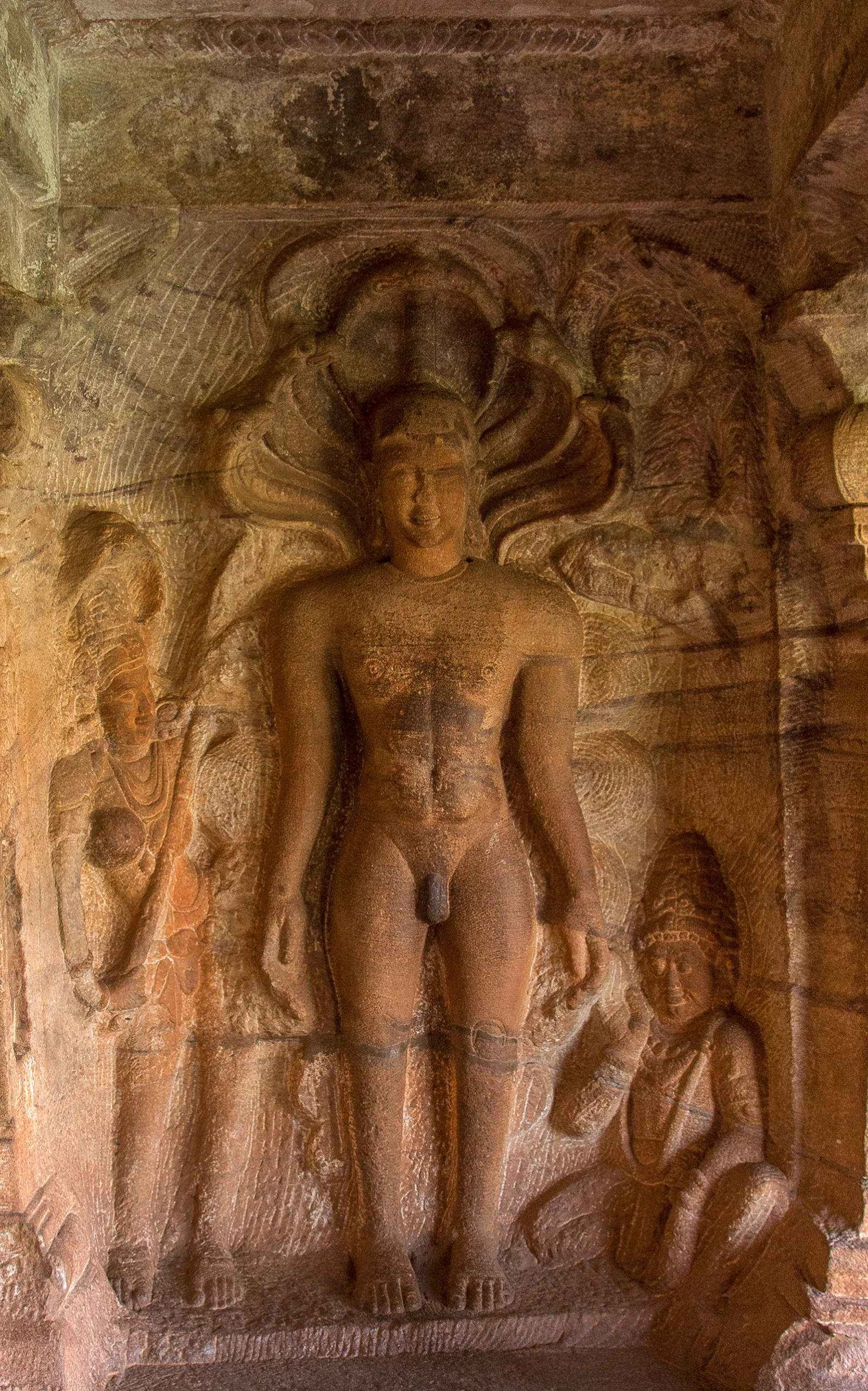
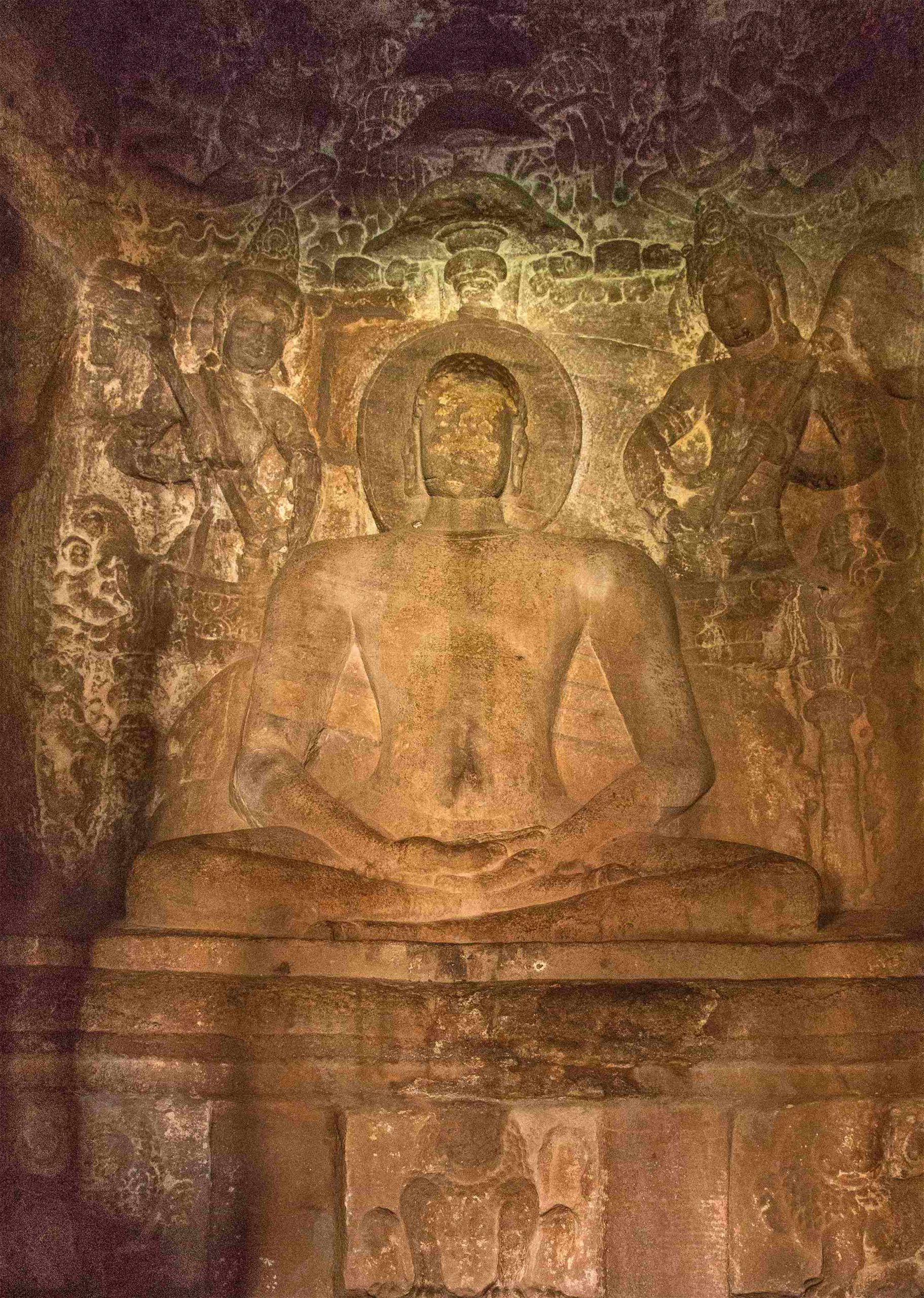
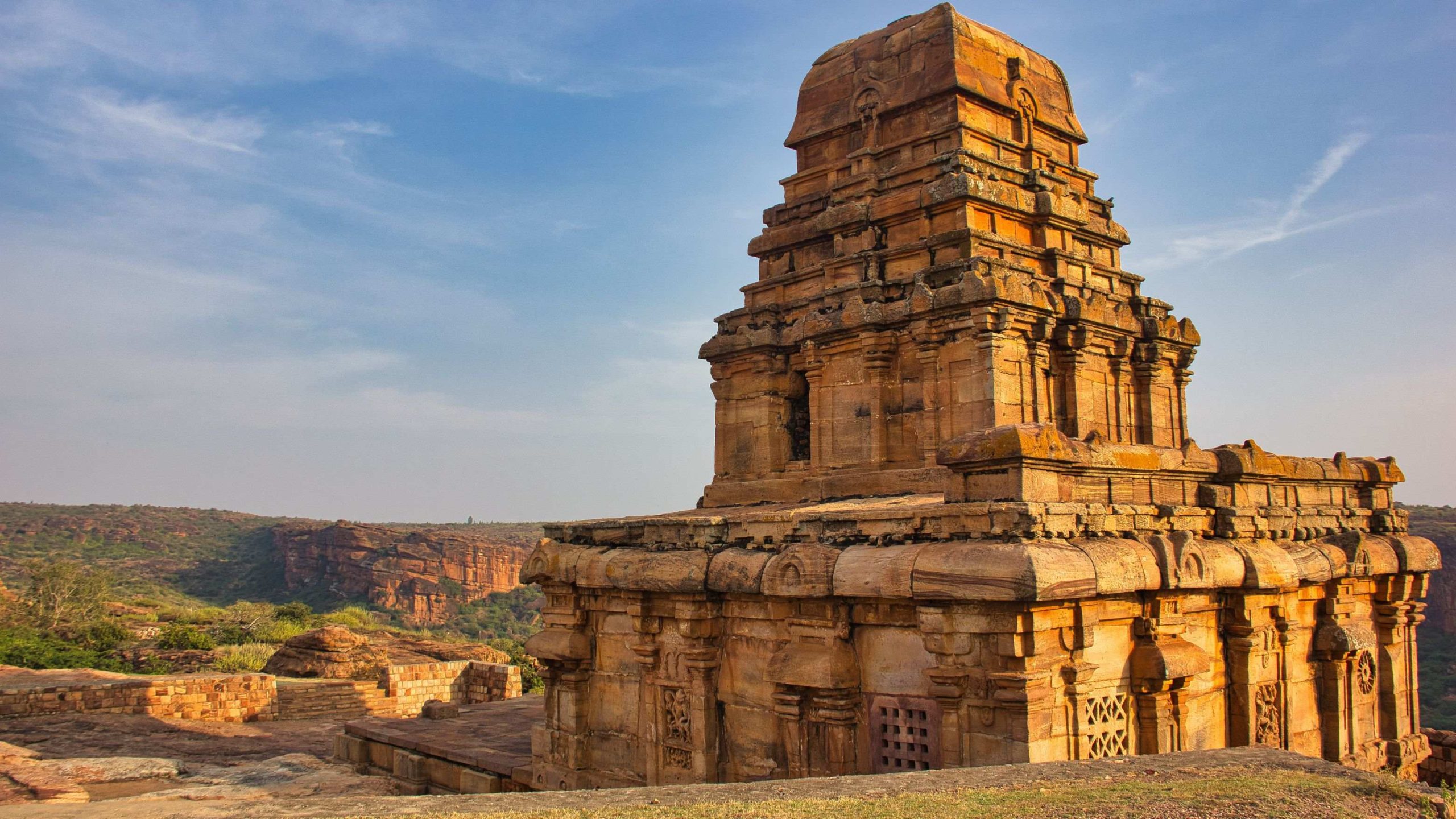
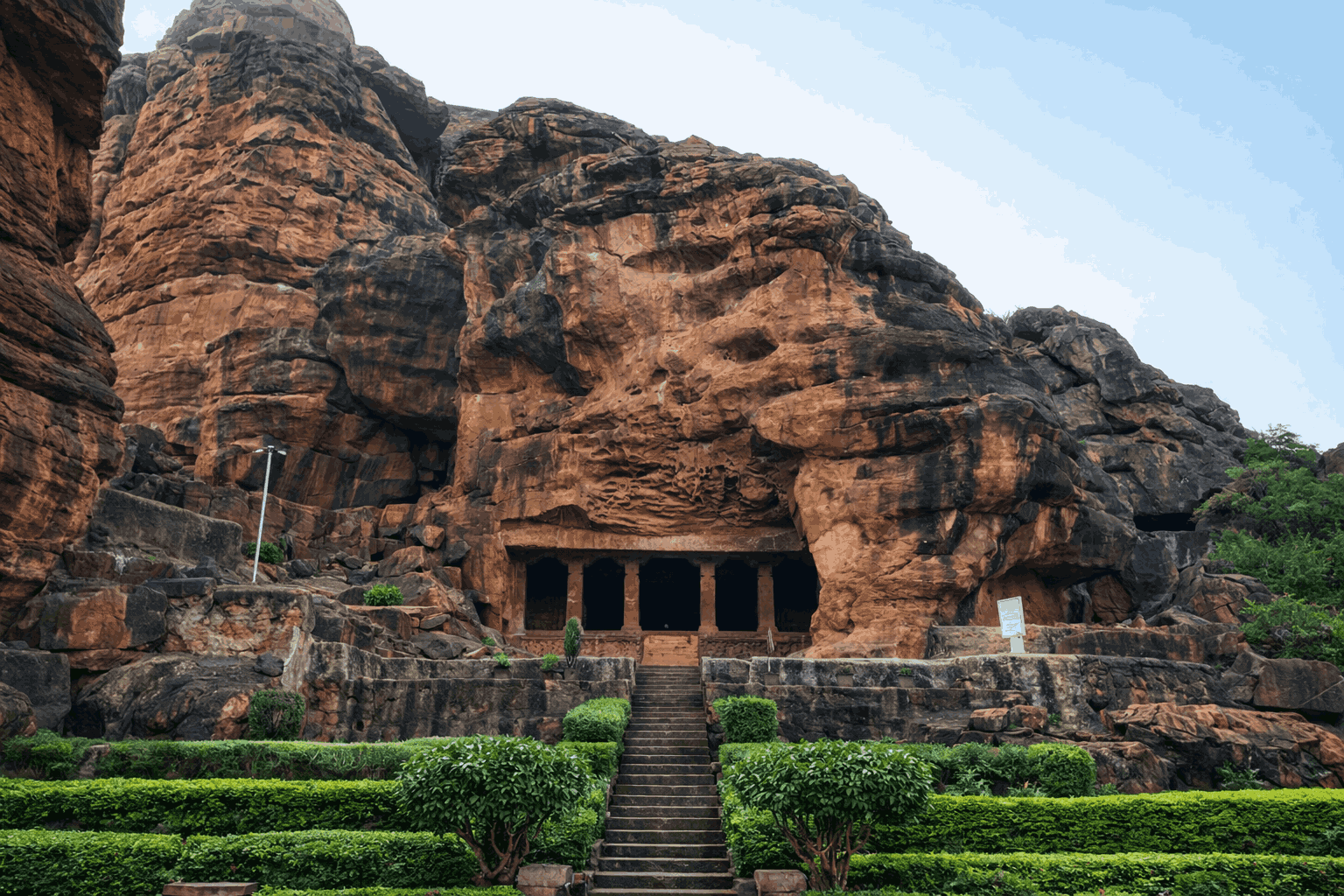
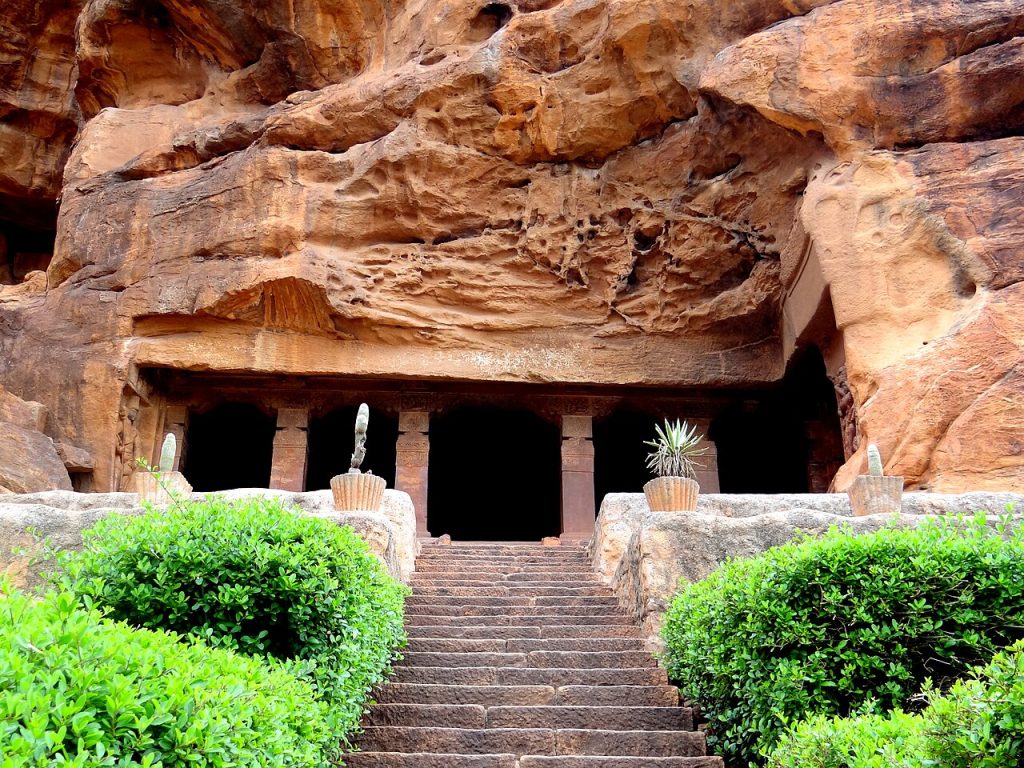
Rising from the dramatic red sandstone cliffs of the Malaprabha valley, the Chalukyas of Badami transformed a naturally fortified landscape into the nerve centre of an empire. Long before royal banners fluttered over Vatapi (modern Badami), the region had already witnessed millennia of human presence prehistoric shelters, rock art, and water systems testify to its deep antiquity.
From this rocky bowl emerged a dynasty that stitched together large parts of the Deccan and South India, shaping politics, religion, art, and architecture. Their rule (6th–8th centuries CE) marked a transition from regional chiefdoms to a confident imperial culture that spoke in stone, inscriptions, and monumental temples.
Lorem Ipsum is simply dummy text of the printing and typesetting industry. Lorem Ipsum has been the industry’s standard dummy text ever since the 1500s, when an unknown printer took a galley of type and scrambled it to make a type specimen book. It has survived not only five centuries, but also the leap into electronic typesetting, remaining essentially unchanged.
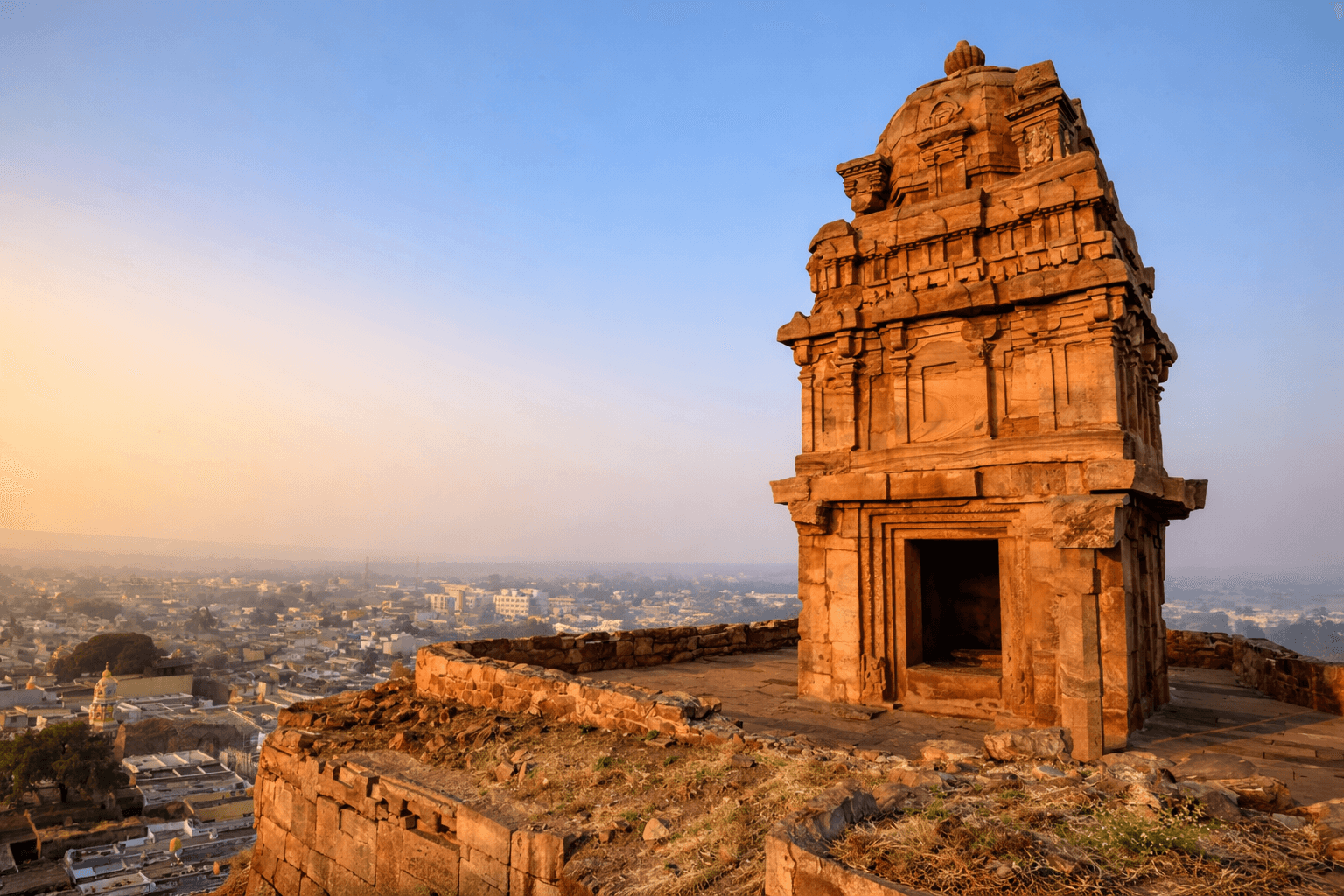
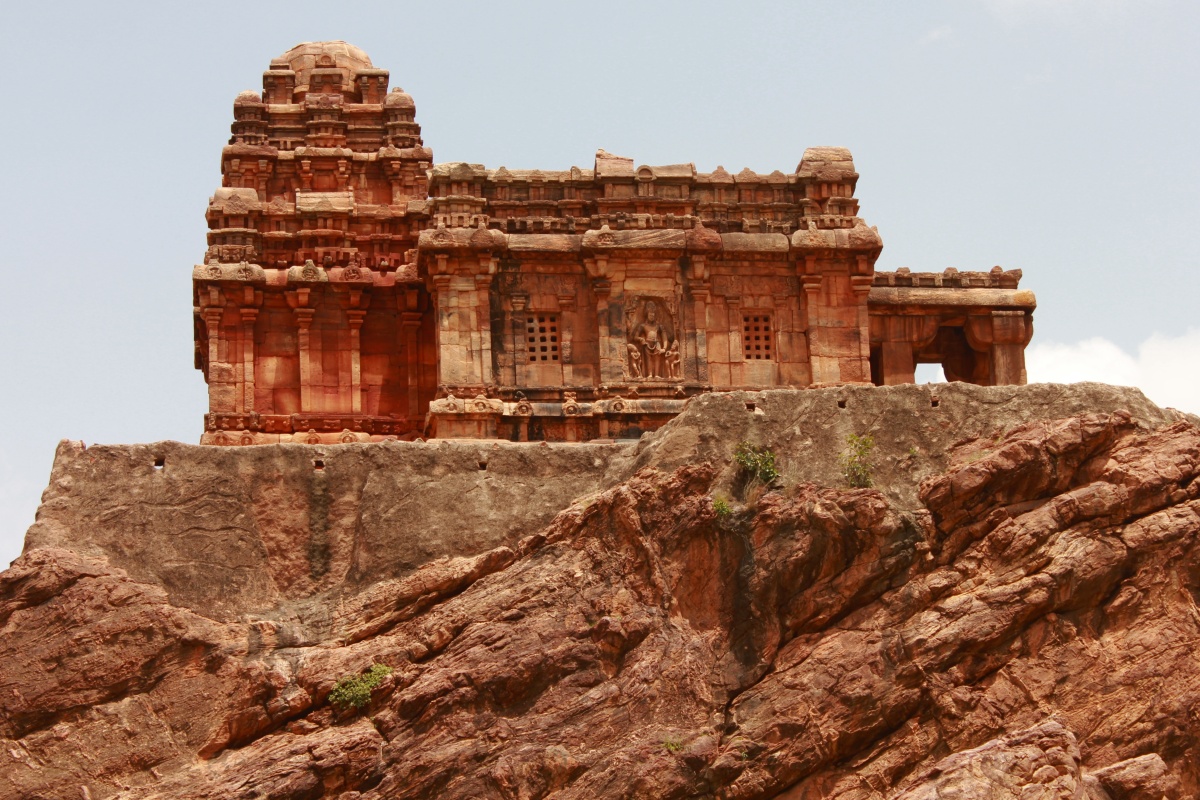
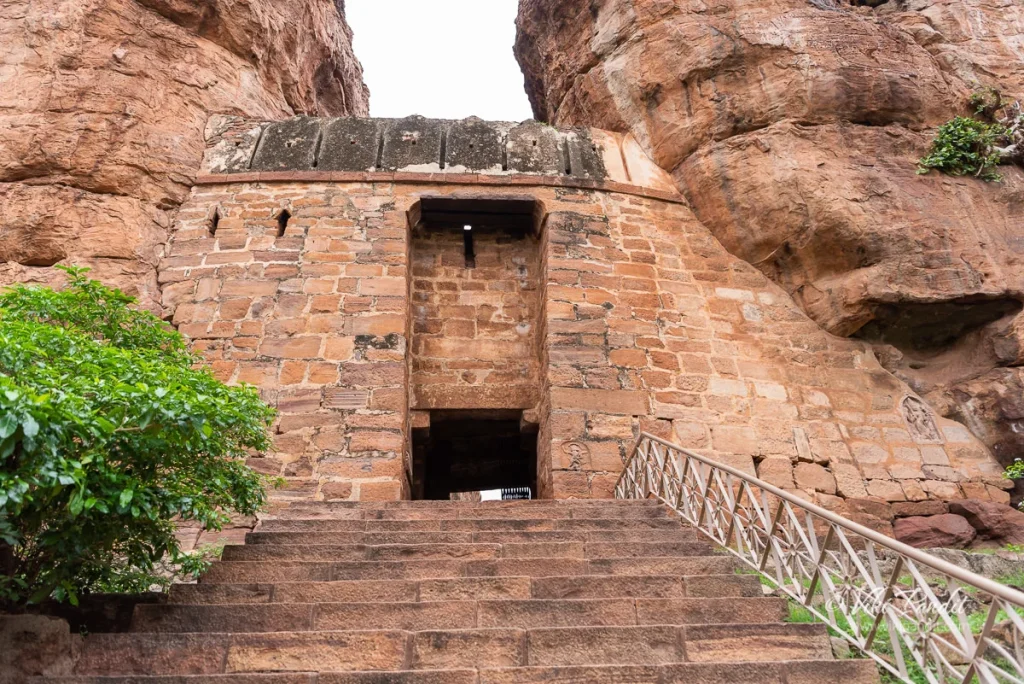
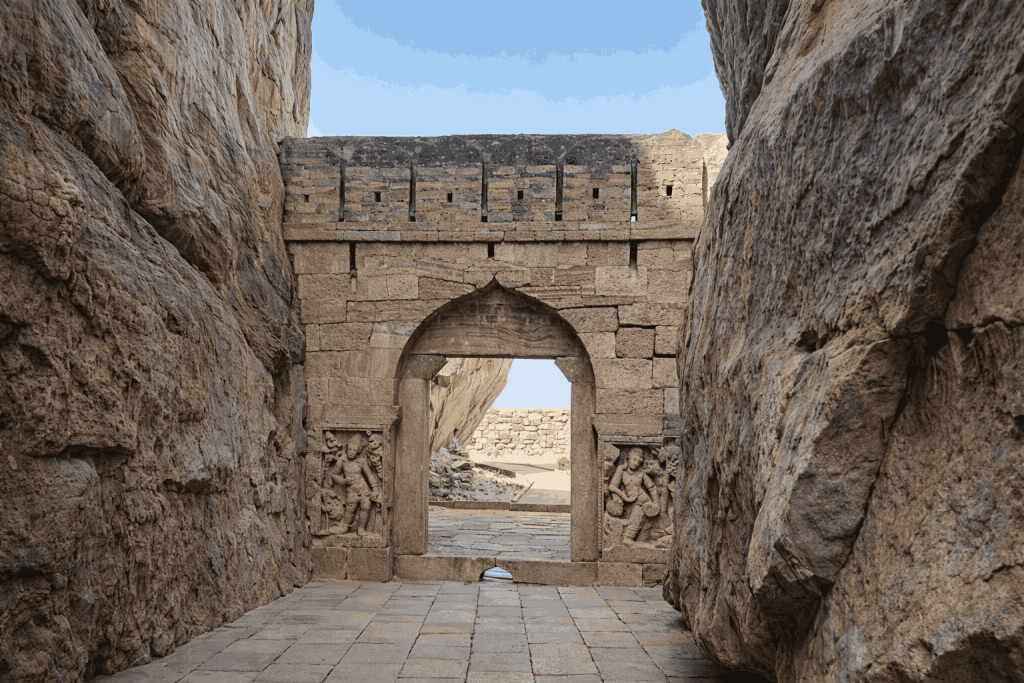
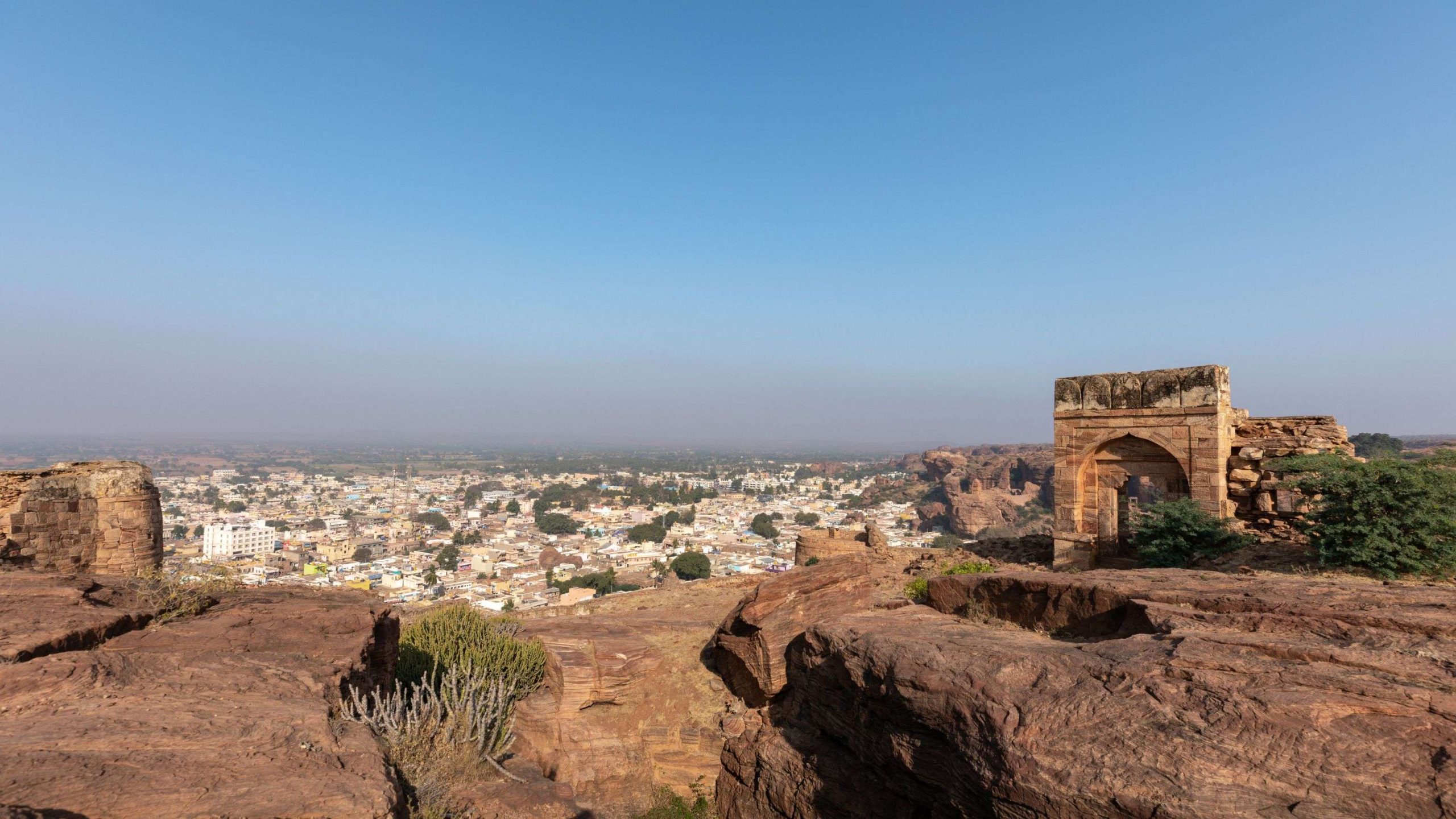
The fortification of Badami, originally known as Vātāpi, was undertaken by Pulakeśin I, who established it as his capital. An inscription on a cliff in the North Fort of Badami mentions King “Calukya Vallabheshvara,” who performed the Aśvamedha and other Śrauta sacrifices and followed the Hiraṇyagarbha rite. Pulakeśin I is credited with constructing the hill fort, or Giridurga, which was considered invincible both from below and above.
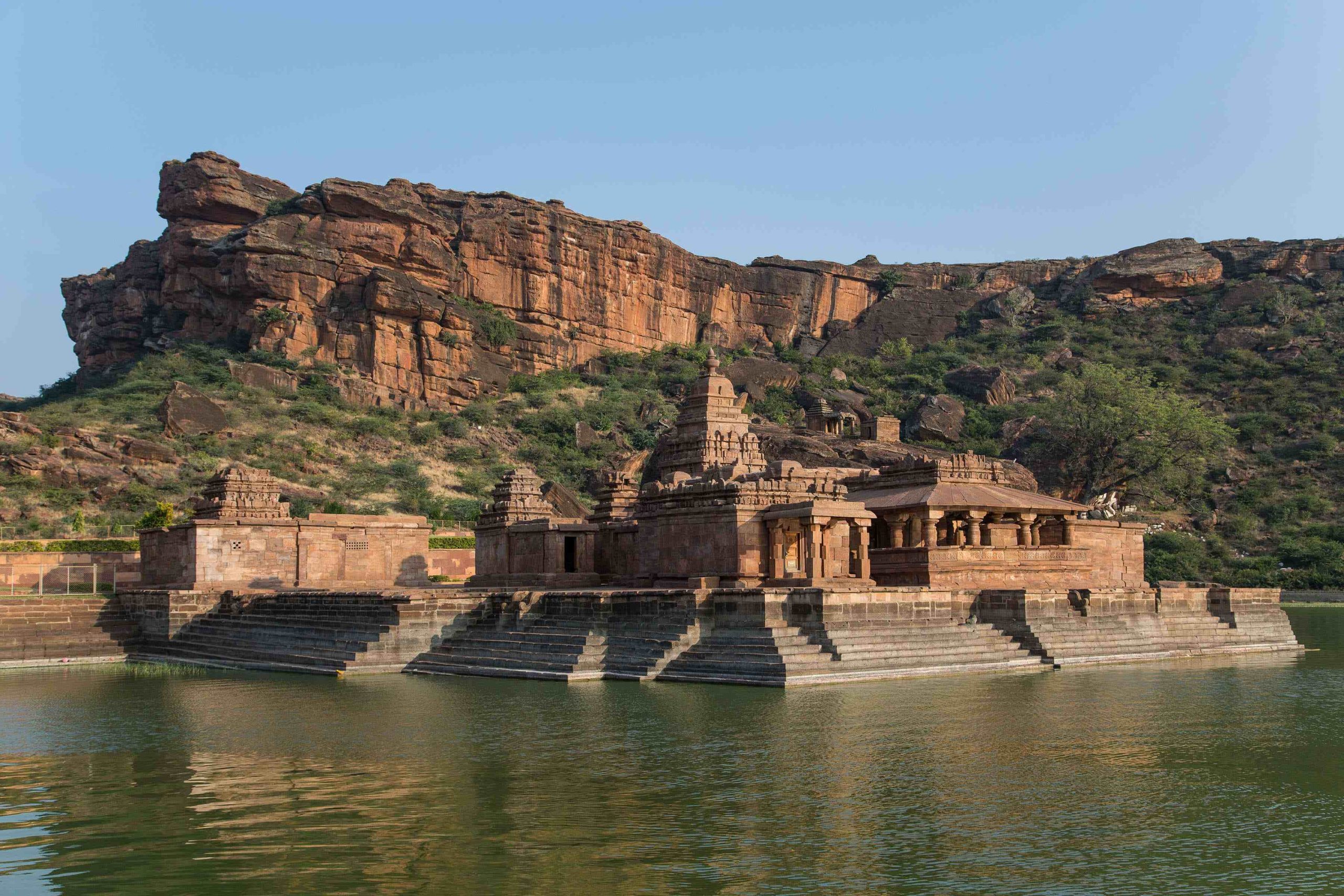
The fort wall follows the edge of the flat surface of the high hill, resulting in an irregularly many-sided or polygonal plan. The fort is strategically located along the Kalatgi hill range. Pulakeśin I may have chosen this northern hill for its abundant water resources. He constructed a large tank, now known as Agastya Tīrtha, which collects rainwater flowing down the hill. Agastya Tīrtha remains in use by locals for domestic purposes throughout the year.
Lorem Ipsum is simply dummy text of the printing and typesetting industry. Lorem Ipsum has been the industry’s standard dummy text ever since the 1500s, when an unknown printer took a galley
Lorem Ipsum is simply dummy text of the printing and typesetting industry. Lorem Ipsum has been the industry’s standard dummy text ever since the 1500s, when an unknown printer took a galley Lorem Ipsum is simply dummy text of the printing and typesetting industry. Lorem Ipsum has been the industry’s standard dummy text ever since the 1500s, when an unknown printer took a galley
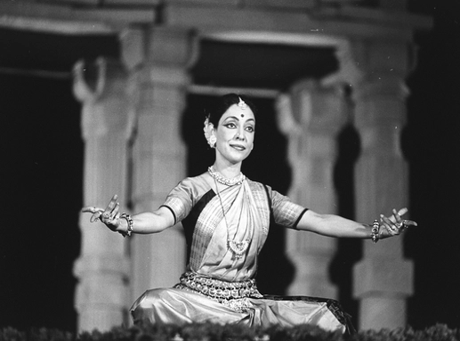
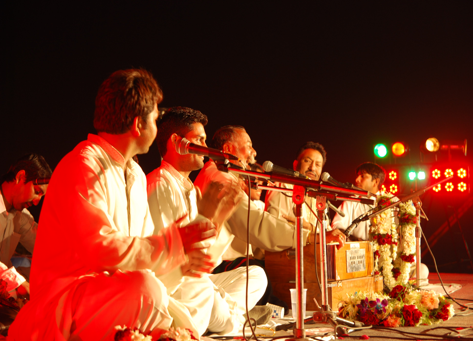
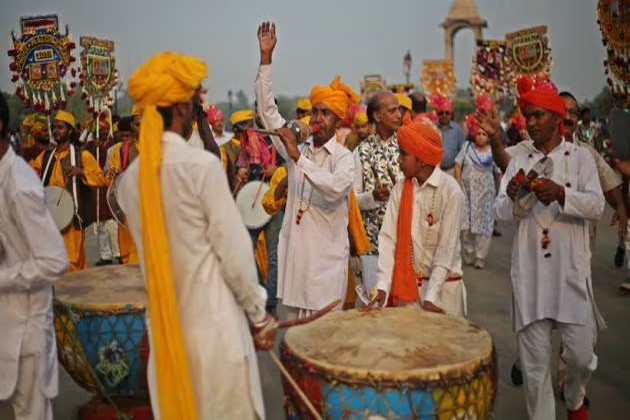
Phool Walon Ki Sair, literally translating to “procession of the florists,” is a noteworthy three-day festival held annually in Delhi, India. Commencing just after the monsoon season in the Mehrauli area, it serves as a vibrant celebration for the city’s flower vendors. Notably, the festival transcends religious boundaries, fostering a spirit of communal harmony between Hindu and Muslim communities. This participation by both faiths exemplifies Delhi’s rich composite culture and is a testament to the festival’s enduring legacy as a symbol of unity.







Untouched panel remains pristine, while the
accessible part fades under human hands








Lorem Ipsum is simply dummy text of the printing and typesetting industry. Lorem Ipsum has been the industry’s standard dummy text ever since the 1500s, when an unknown printer took a galley of type and scrambled it to make a type specimen book. It has survived not only five centuries, but also the leap into electronic typesetting, remaining essentially unchanged.
Lorem Ipsum is simply dummy text of the printing and typesetting industry. Lorem Ipsum has been the industry’s standard dummy text ever since the 1500s, when an unknown printer took a galley of type and scrambled it to make a type specimen book. It has survived not only five centuries, but also the leap into electronic typesetting, remaining essentially unchanged.
Contrary to popular belief, Lorem Ipsum is not simply random text. It has roots in a piece of classical Latin literature from 45 BC, making it over 2000 years old. Richard McClintock, a Latin professor at Hampden-Sydney College in Virginia, looked up one of the more obscure Latin words, consectetur, from a Lorem Ipsum passage, and going through the cites of the word in classical literature, discovered the undoubtable source. Lorem Ipsum comes from sections 1.10.32 and 1.10.33 of “de Finibus Bonorum et Malorum” (The Extremes of Good and Evil) by Cicero, written in 45 BC.
Lorem Ipsum is simply dummy text of the printing and typesetting industry. Lorem Ipsum has been the industry’s standard dummy text ever since the 1500s, when an unknown printer took a galley of type and scrambled it to make a type specimen book.
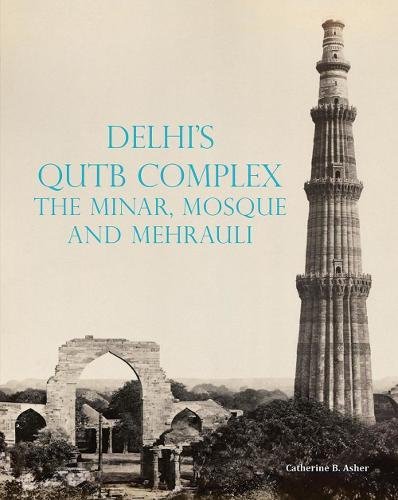
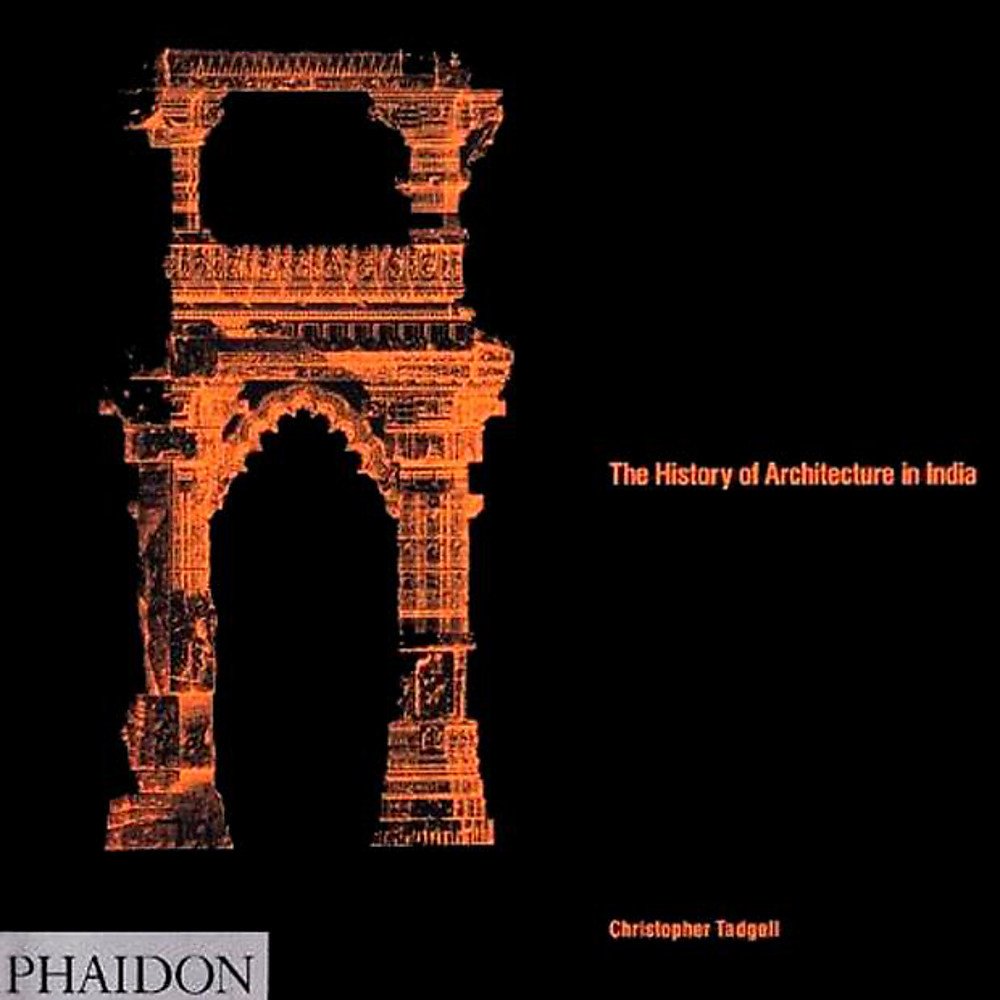
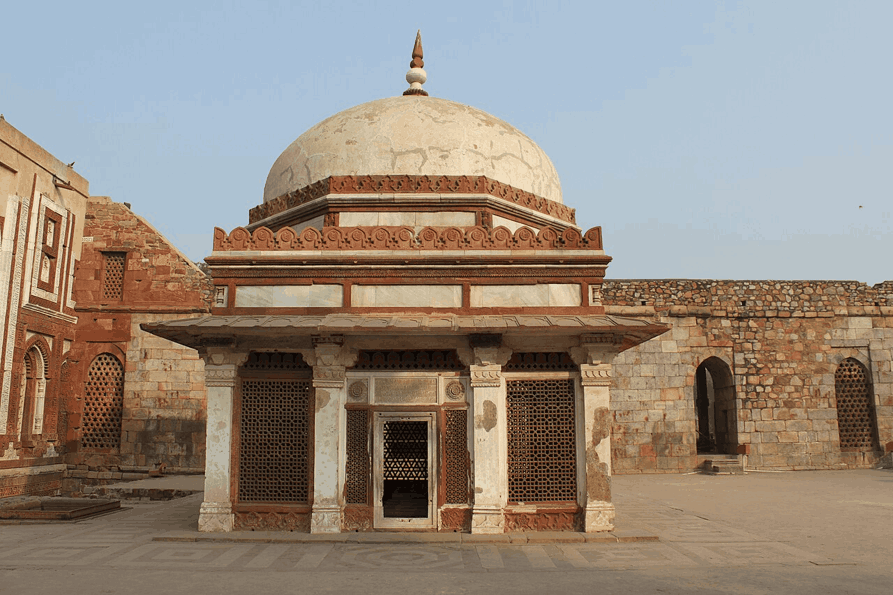
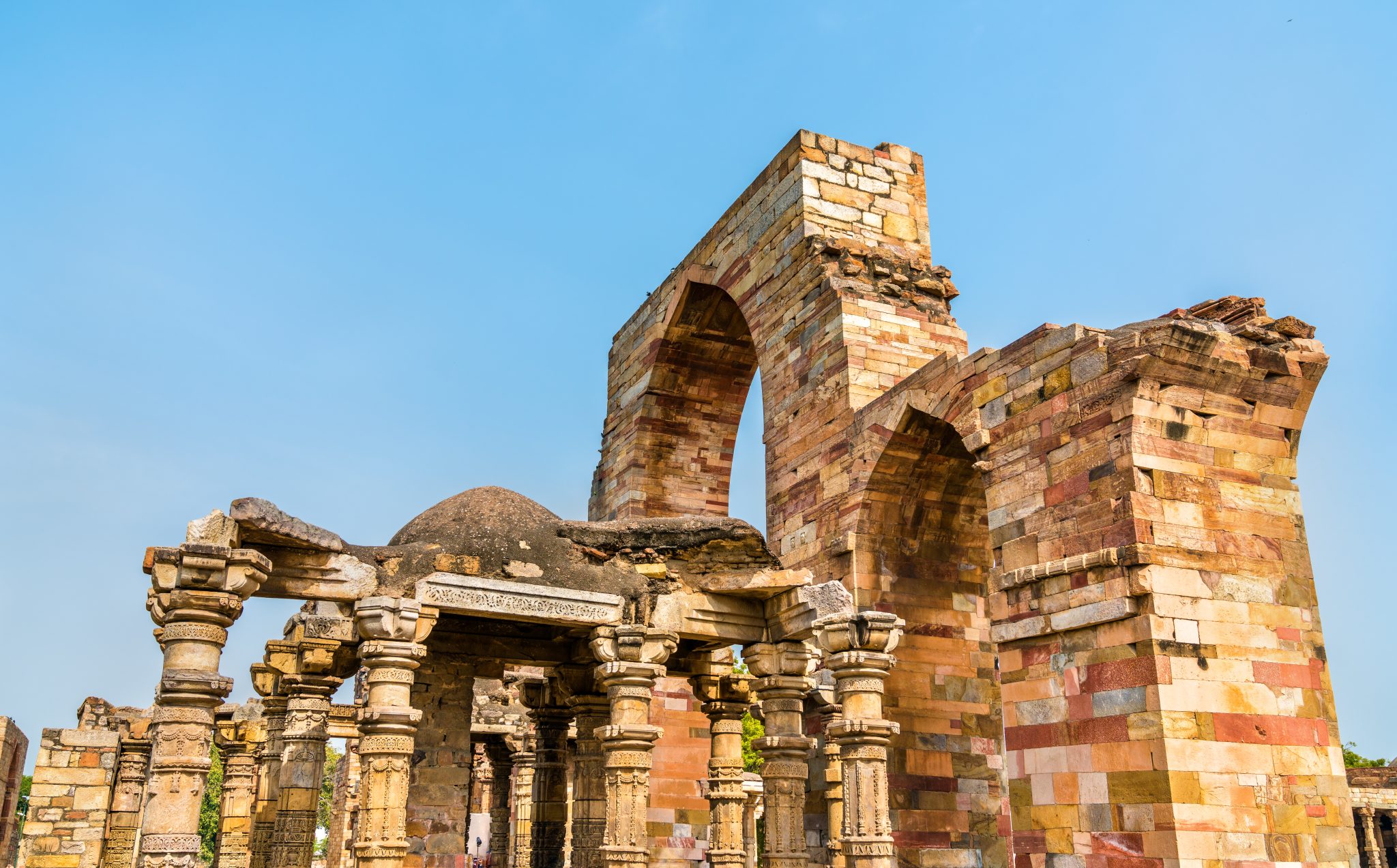
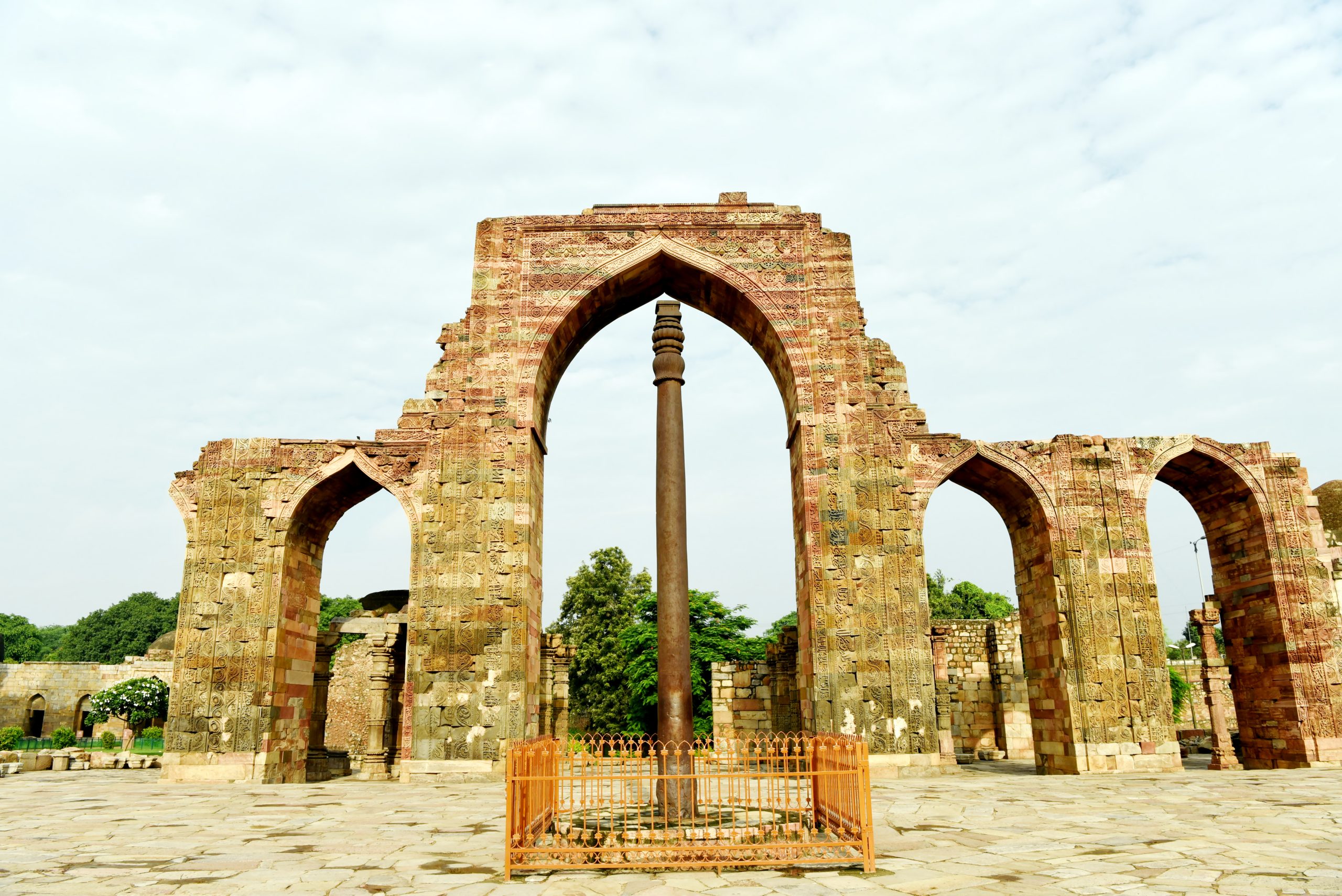
The Early Sultanate Monumental Complex of Delhi
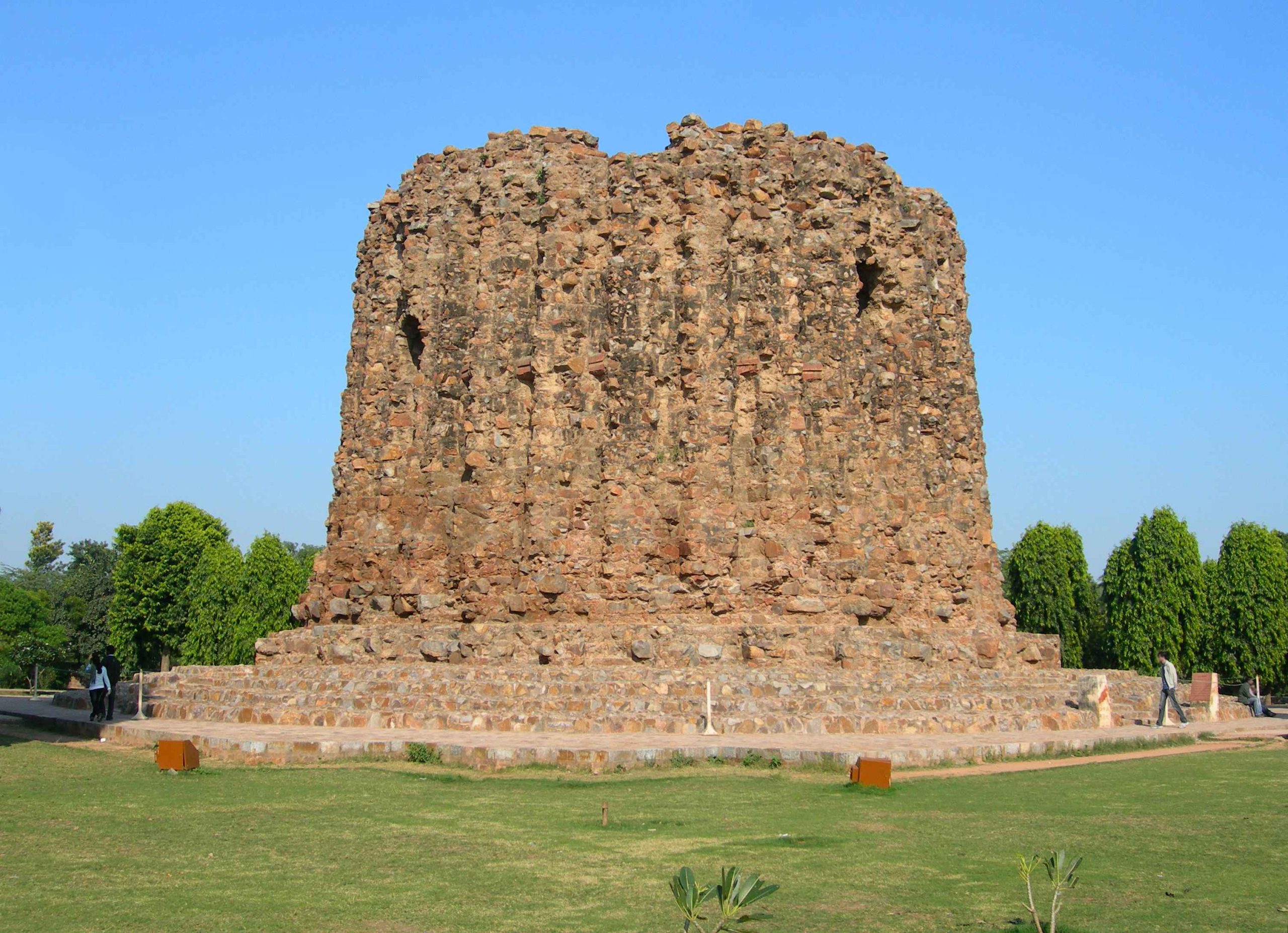
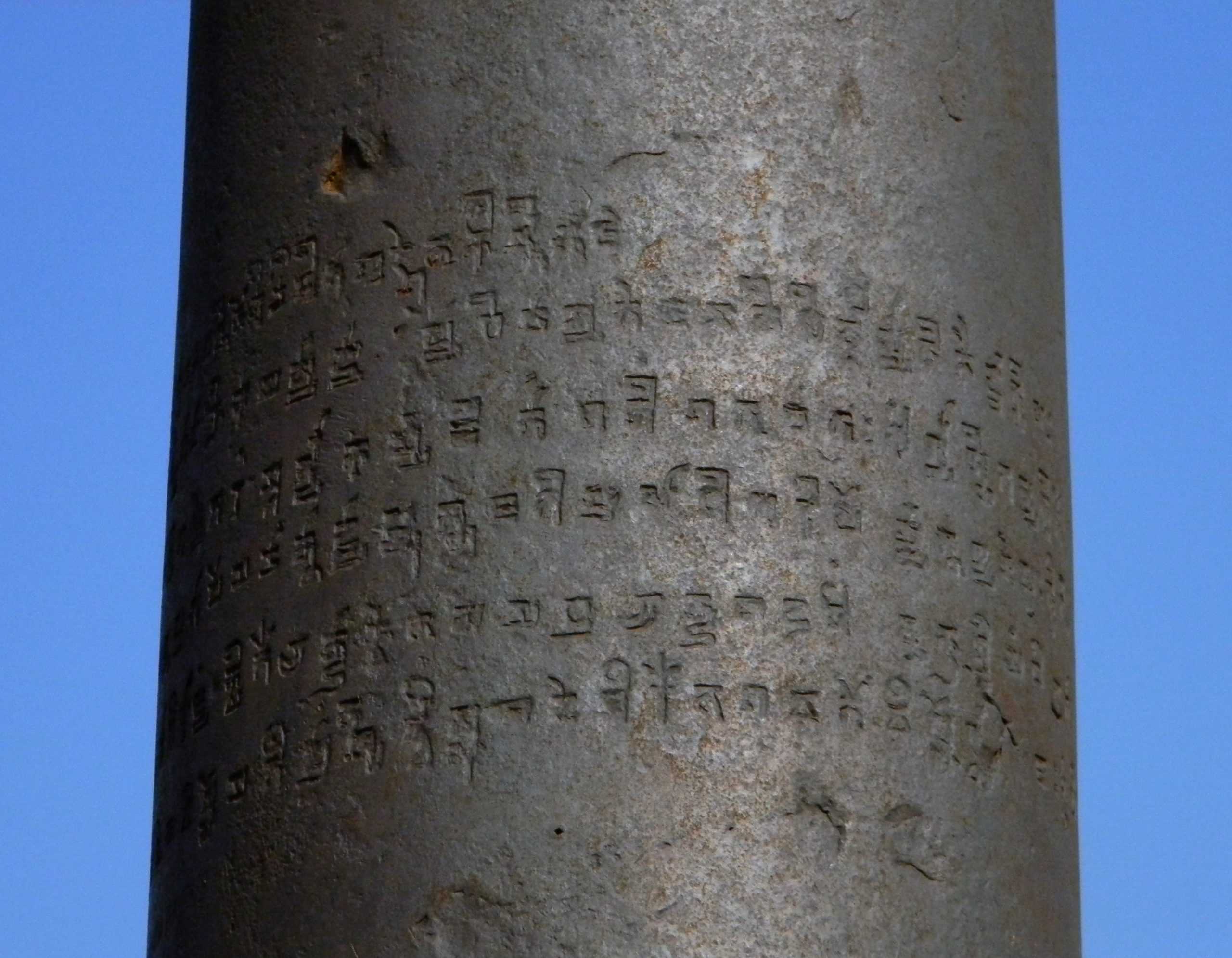
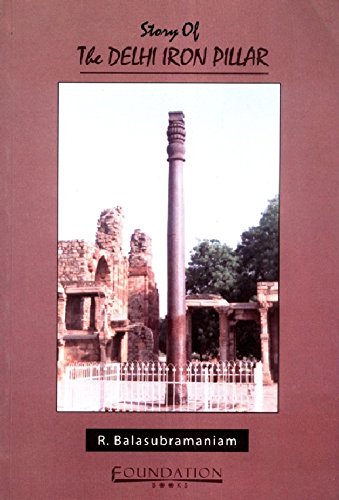
iron pillar inscriptions
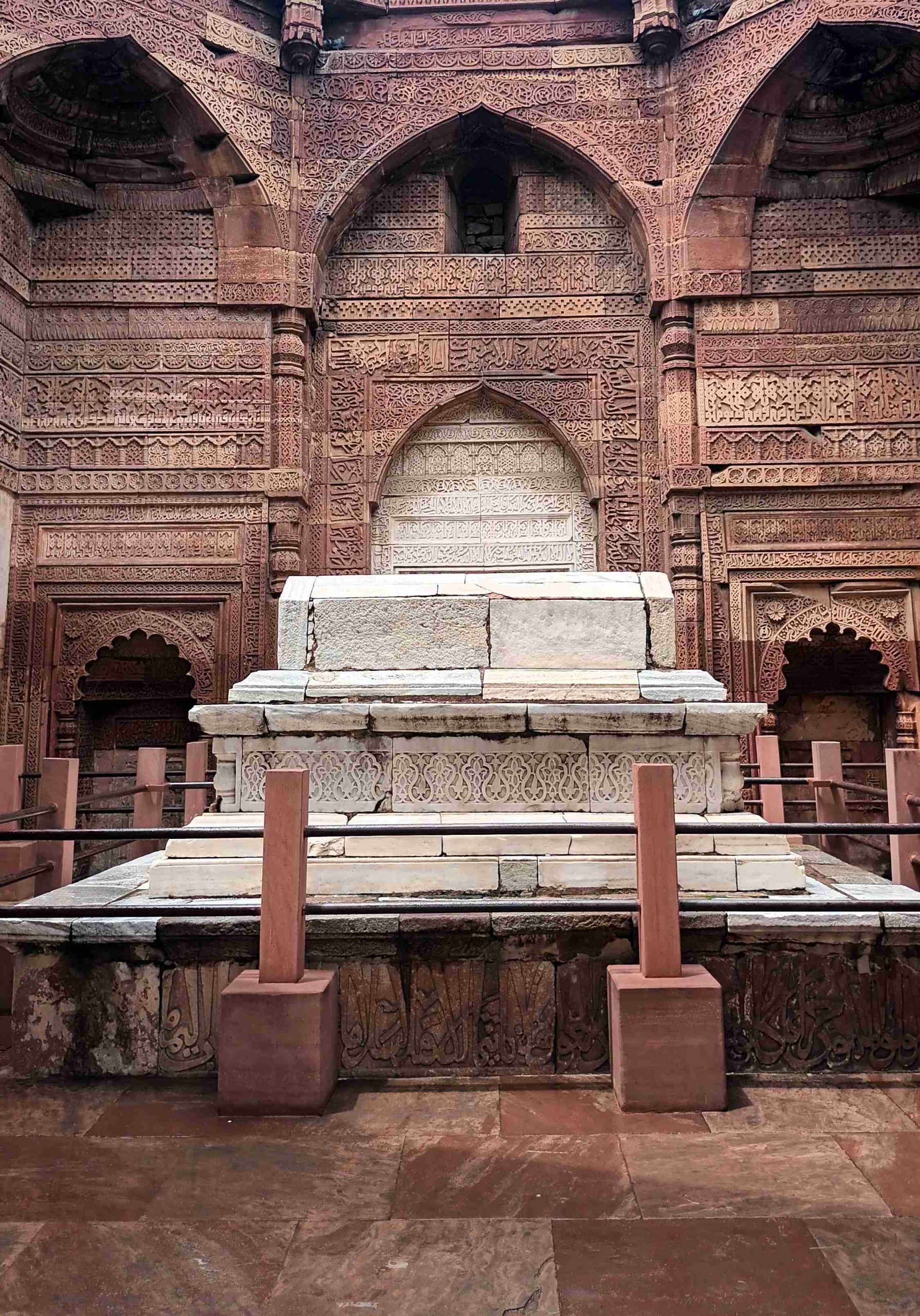
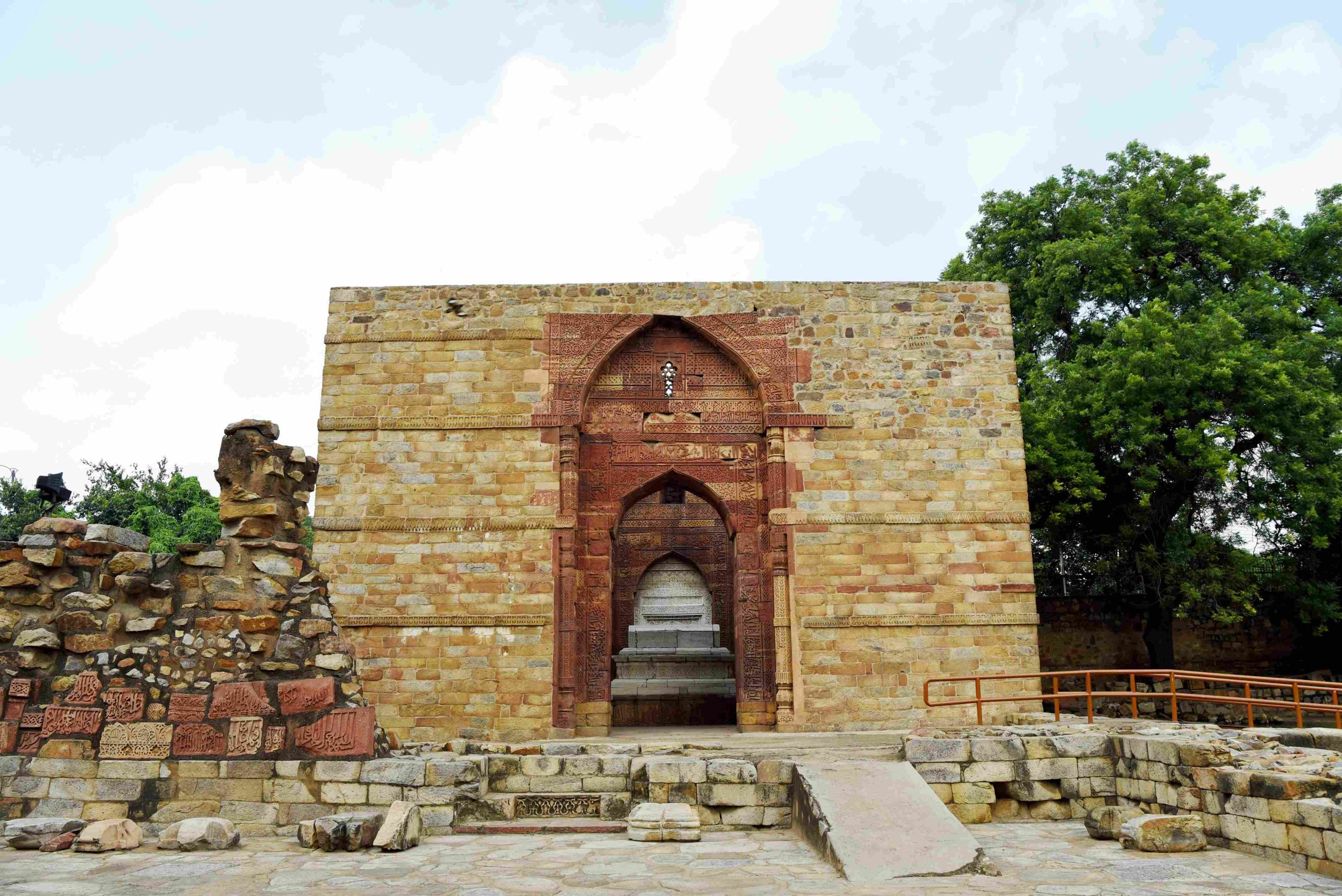
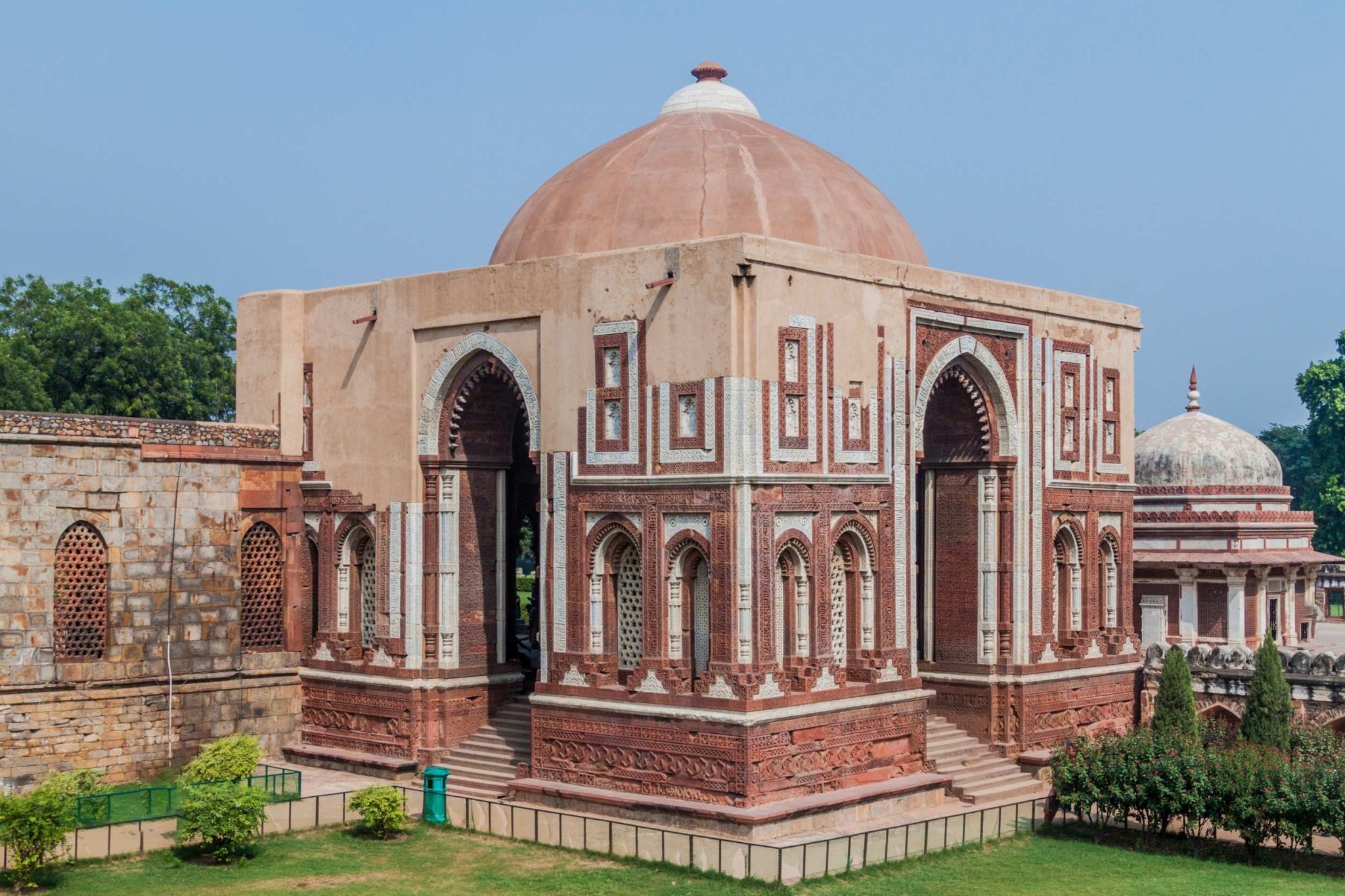
The Alai Darwaza stands as the primary entrance to the expansion of the Quwwat-ul-Islam Mosque, a project spearheaded by Alauddin Khalji during the early 14th century. Comprising four gateways arranged in a square formation, it boasts a broad, domed roof adorned with a prominent central knob, gracefully supported by horseshoe-shaped arches.
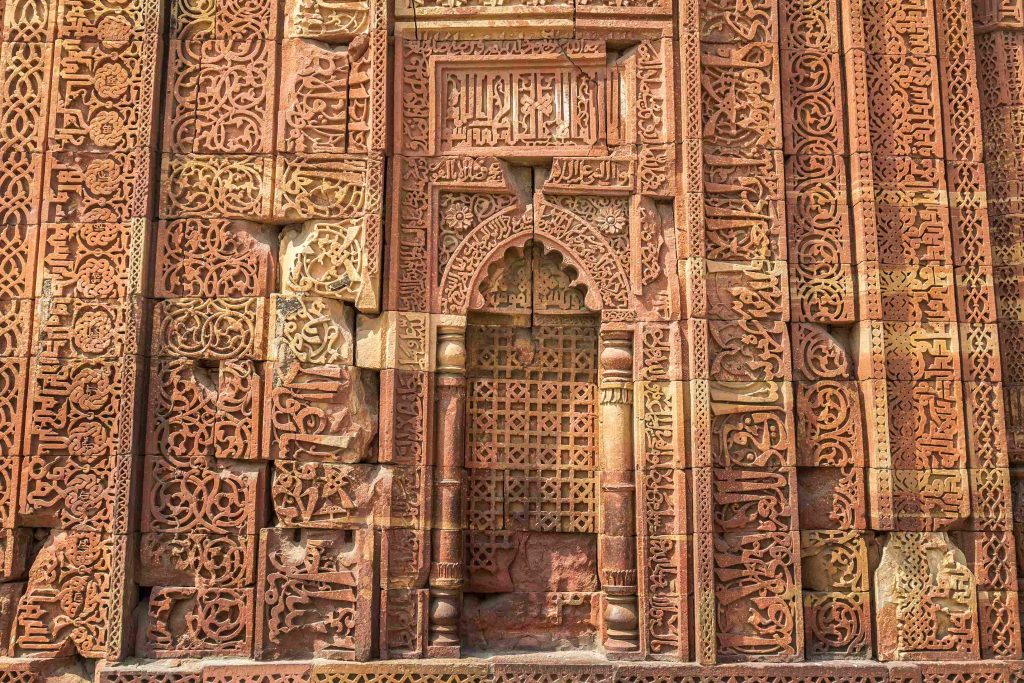
Crafted from a combination of red sandstone and marble, the gateway’s intricate detailing is a testament to its architectural splendor. Elaborate geometrical motifs and inscriptions in naskh script adorn its entirety, with the arches featuring delicate lotus bud embellishments on their undersides—reflecting influences from West Asian design traditions.
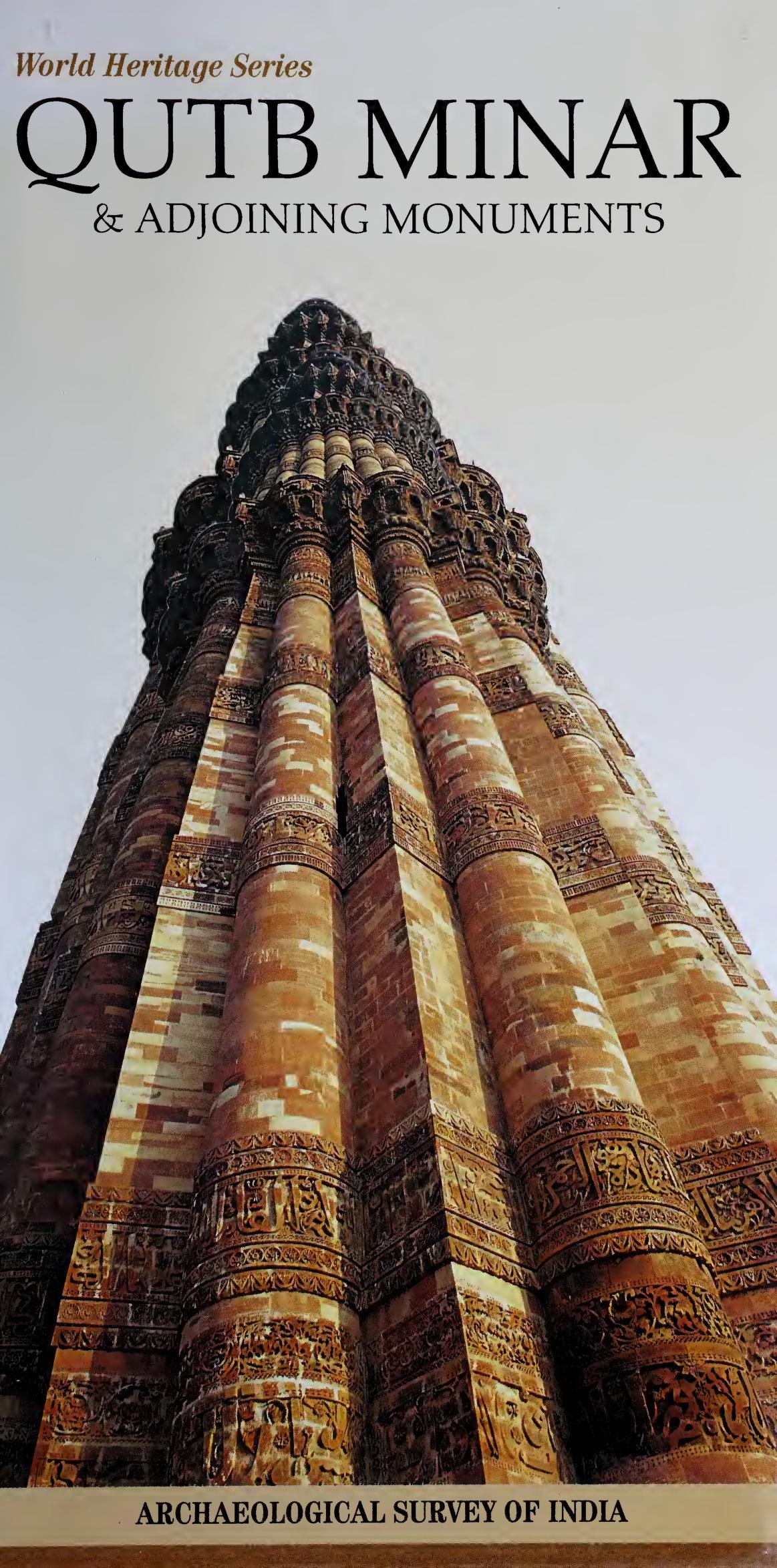
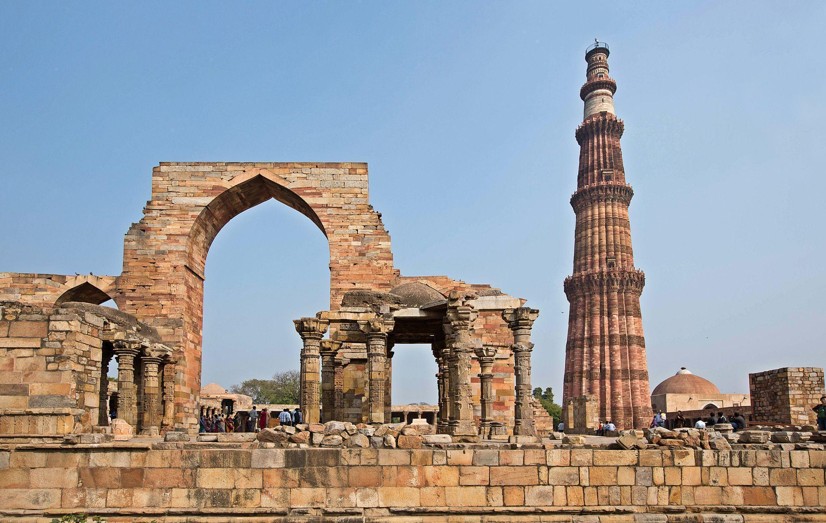
The Qutub Minar exhibits a slight tilt of approximately 65 centimeters from the vertical axis. While the exact cause remains debatable, theories suggest a lightning strike or an earthquake in the 14th century as potential culprits. Fortunately, the tilt is considered to be within safe limits and does not pose a structural threat.
Evolving Styles
The exterior surface of the Qutub Minar is adorned with exquisite calligraphic inscriptions and intricate carvings. Verses from the Quran are meticulously inscribed in various styles, including Parso-Arabic Naskhi lettering.
Lorem Ipsum is simply dummy text of the printing and typesetting industry. Lorem Ipsum has been the industry’s standard dummy text ever since the 1500s, when an unknown printer took ,
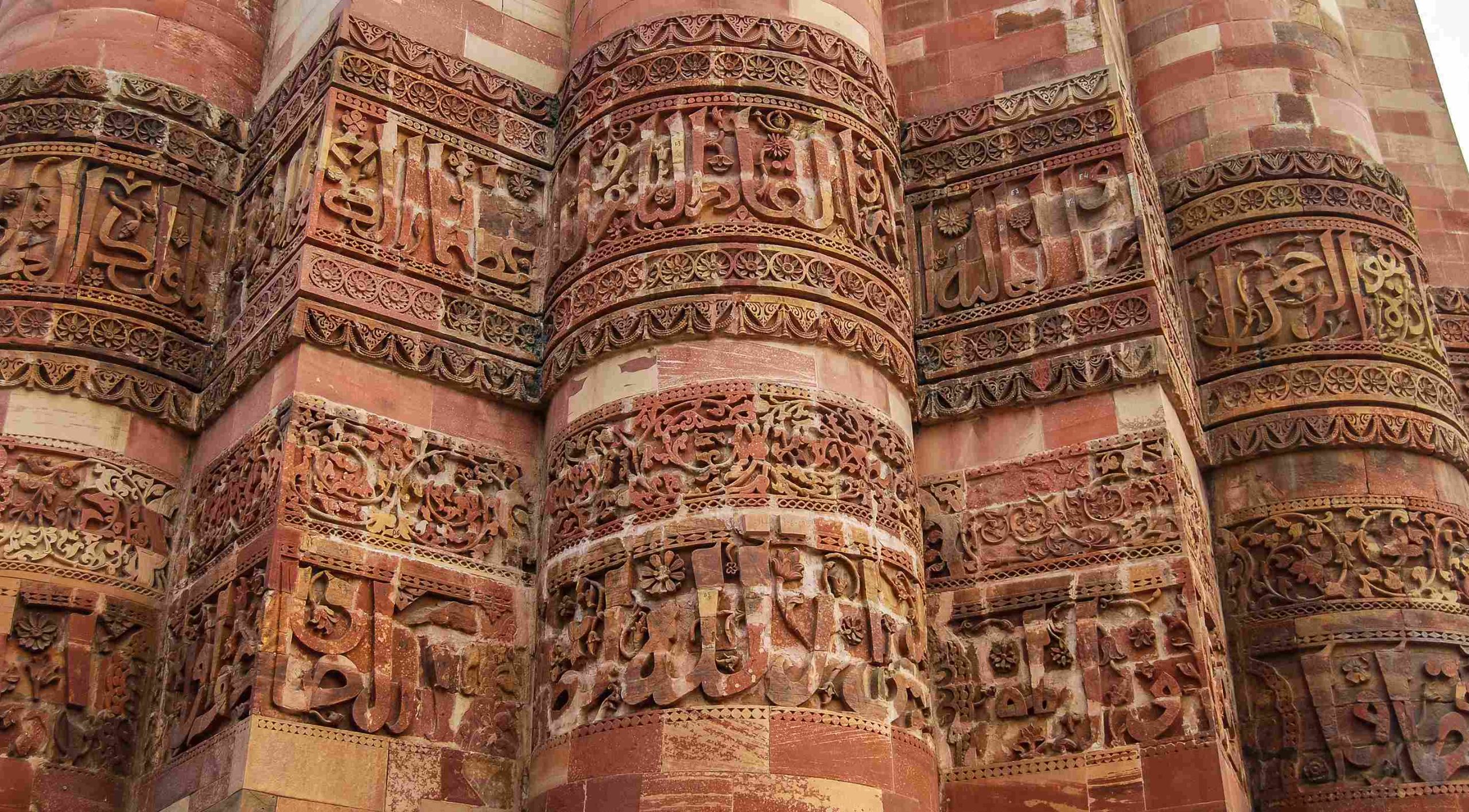
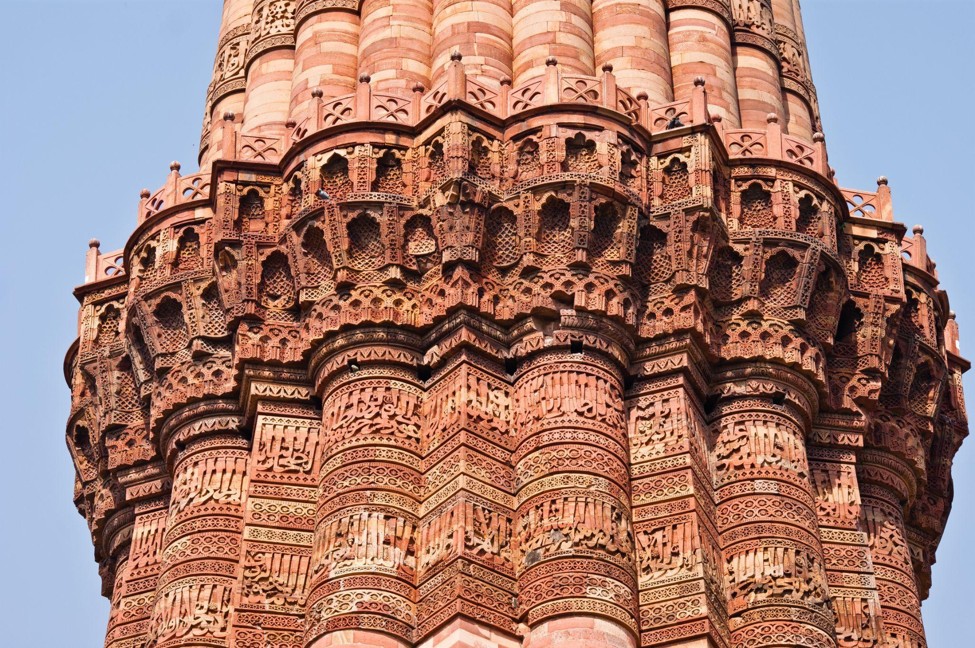
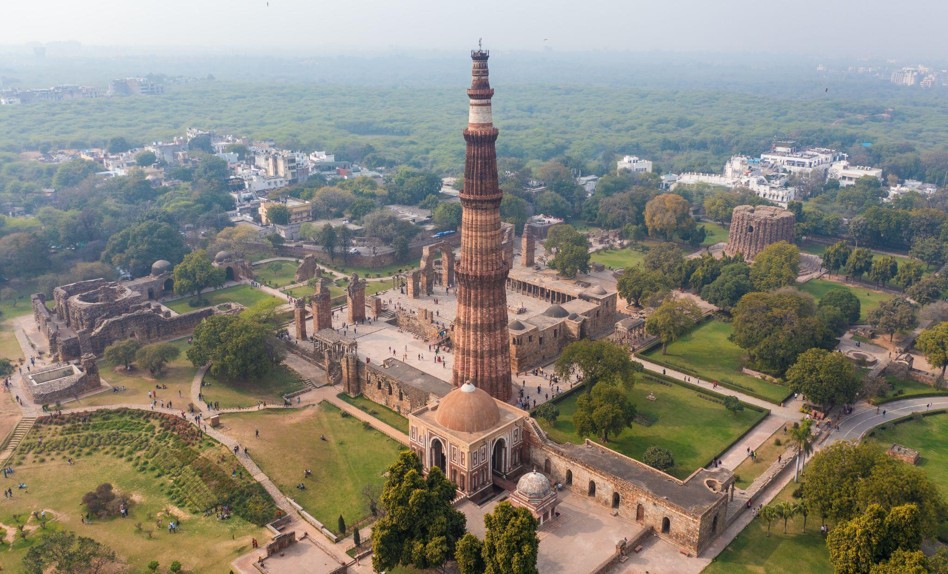
Red sandstone serves as the primary construction material for the Qutub Minar. The first three storeys are built entirely of red sandstone, showcasing its inherent strength and rich color.
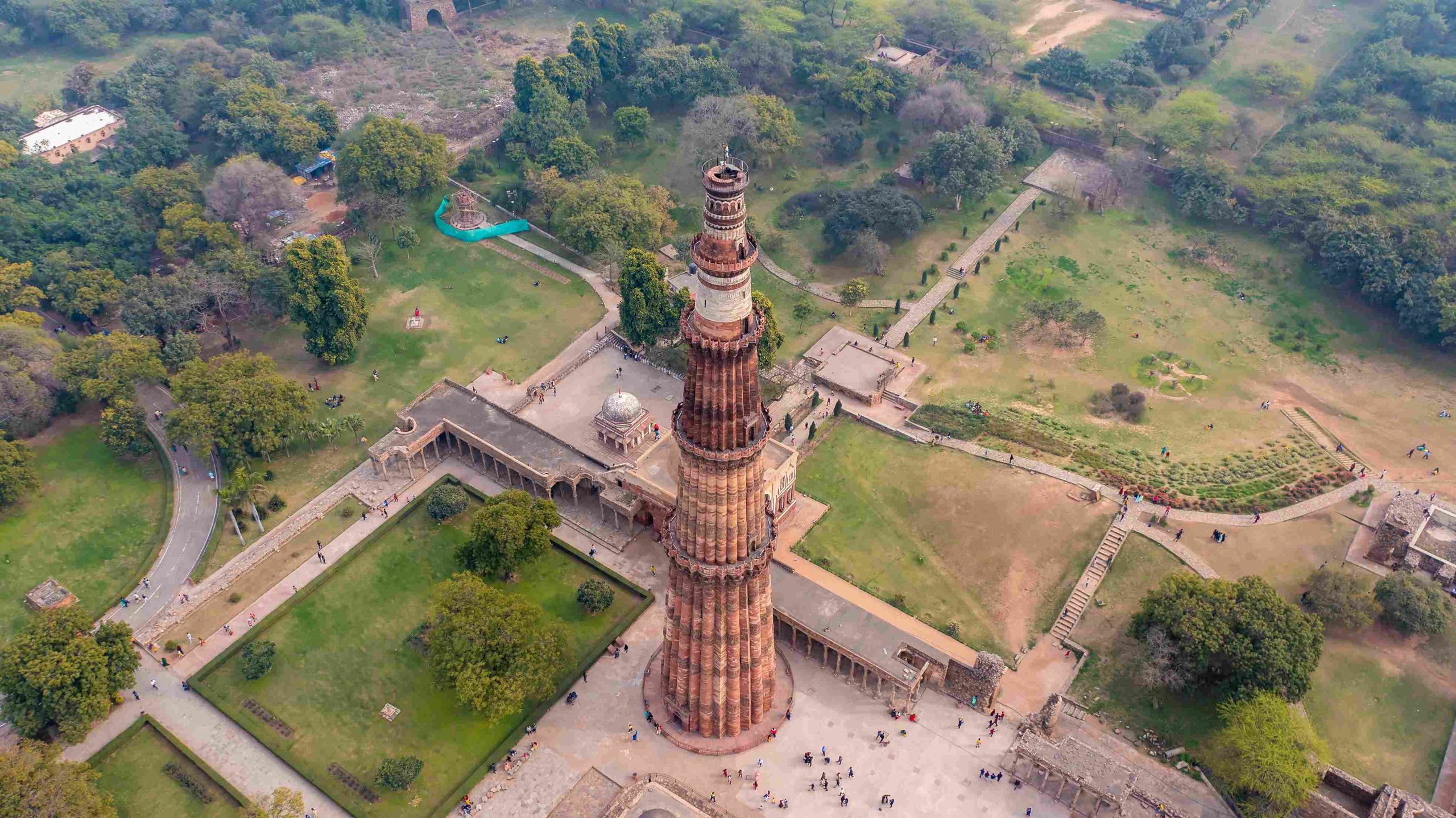
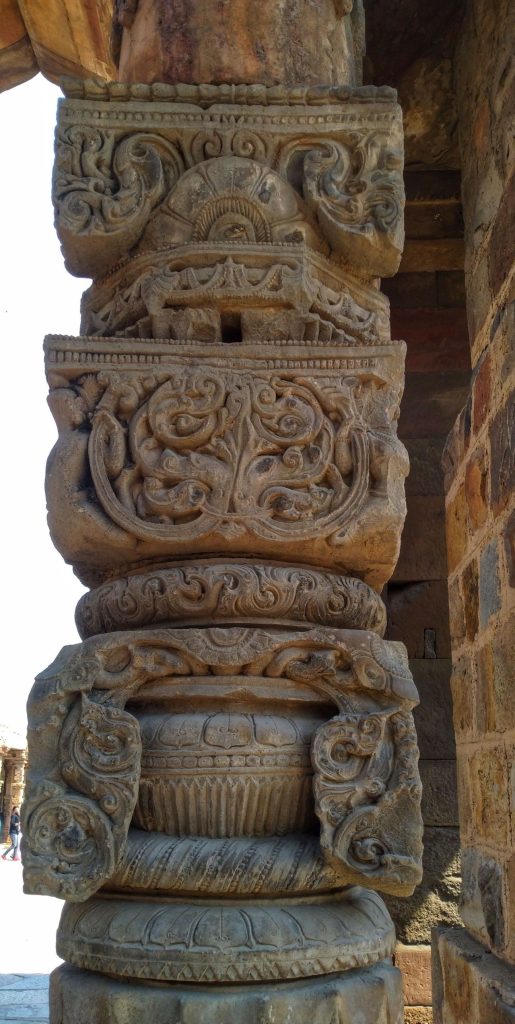
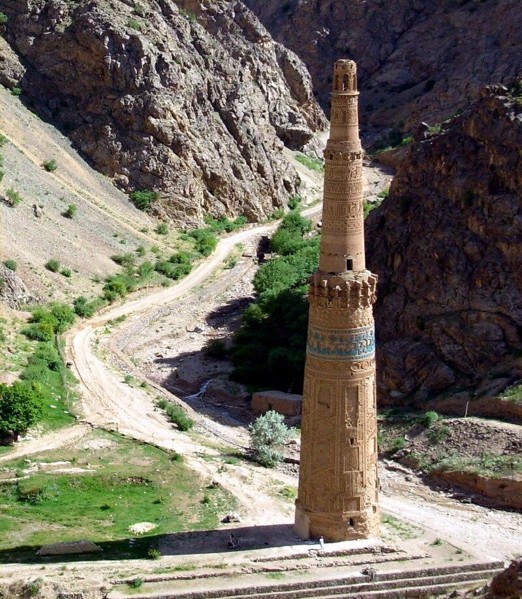
It is a testament to the confluence of Indo-Islamic architectural styles. Though inspired by the Minarets of Jam of Afghanistan, Qutub Minar’s design incorporates elements from both Hindu and Islamic traditions, resulting in a visually striking and historically significant monument.
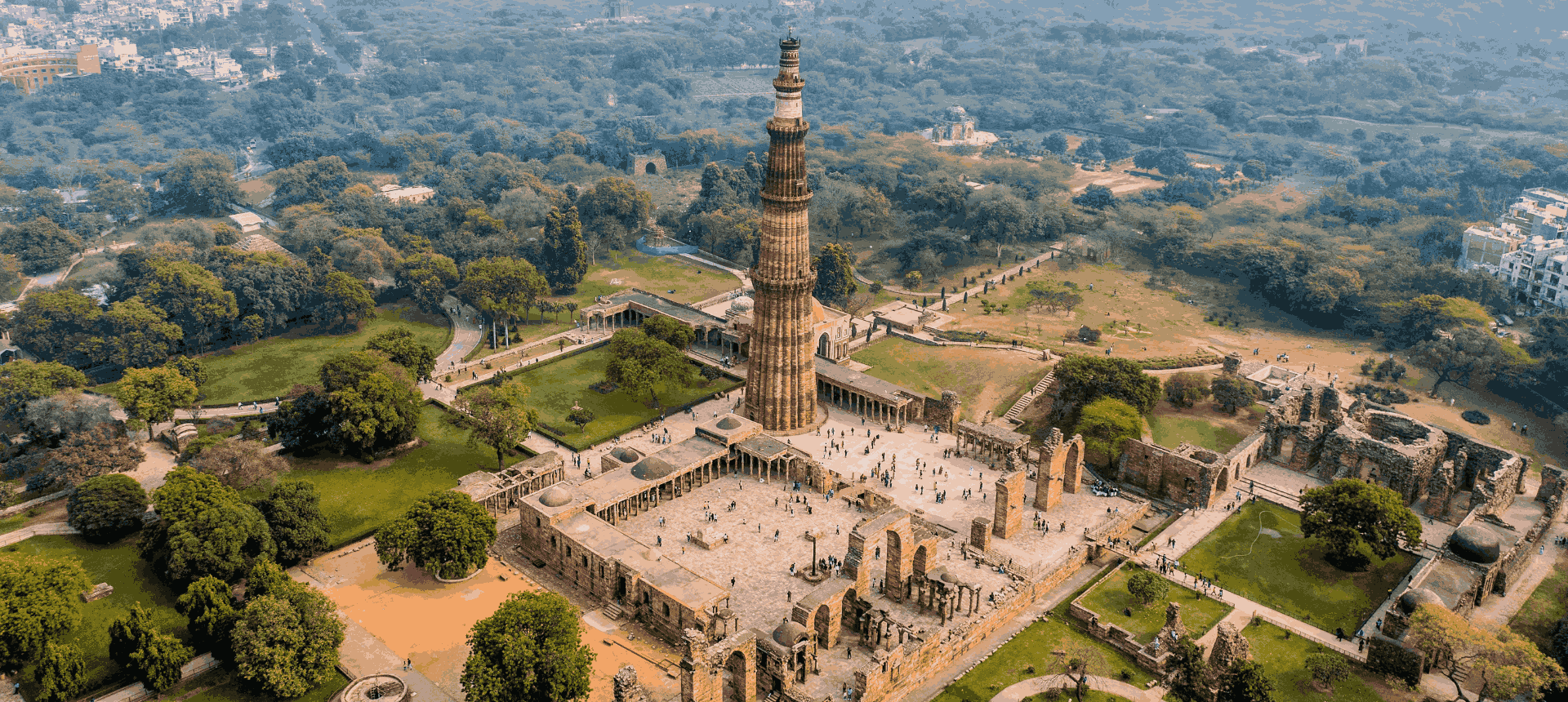
Over eight centuries, it has witnessed the rise of new dynasties, the evolution of Indo-Islamic art, and the complex interactions between faiths, rulers, and societies. Yet much of what people know about it comes from scattered sources, brief tourist descriptions, or simplified legends.
Over eight centuries, it has witnessed the rise of new dynasties, the evolution of Indo-Islamic art, and the complex interactions between faiths, rulers, and societies. Yet much of what people know about it comes from scattered sources, brief tourist descriptions, or simplified legends.
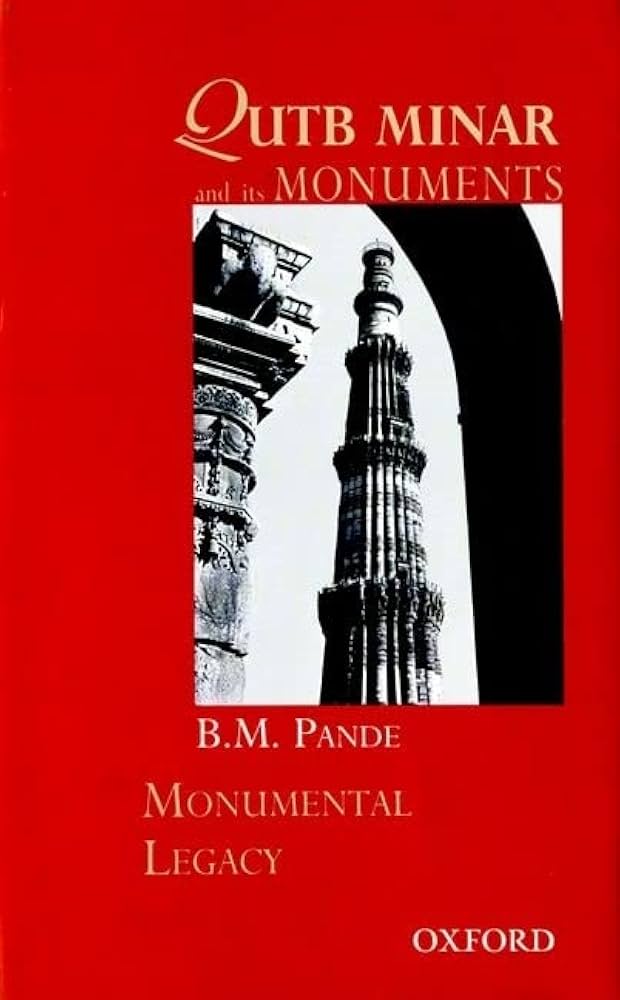
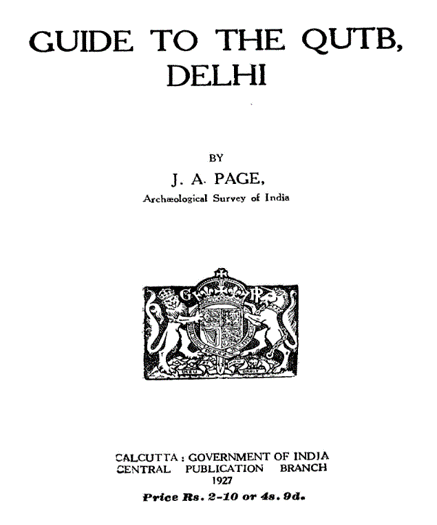
A dedicated book is essential to bring together accurate historical research, architectural analysis, inscriptions, conservation efforts, and untold stories surrounding the Qutub complex.
Over eight centuries, it has witnessed the rise of new dynasties, the evolution of Indo-Islamic art, and the complex interactions between faiths, rulers, and societies. Yet much of what people know about it comes from scattered sources, brief tourist descriptions, or simplified legends.
Over eight centuries, it has witnessed the rise of new dynasties, the evolution of Indo-Islamic art, and the complex interactions between faiths, rulers, and societies. Yet much of what people know about it comes from scattered sources, brief tourist descriptions, or simplified legends.
Over eight centuries, it has witnessed the rise of new dynasties, the evolution of Indo-Islamic art, and the complex interactions between faiths, rulers, and societies. Yet much of what people know about it comes from scattered sources, brief tourist descriptions, or simplified legends.
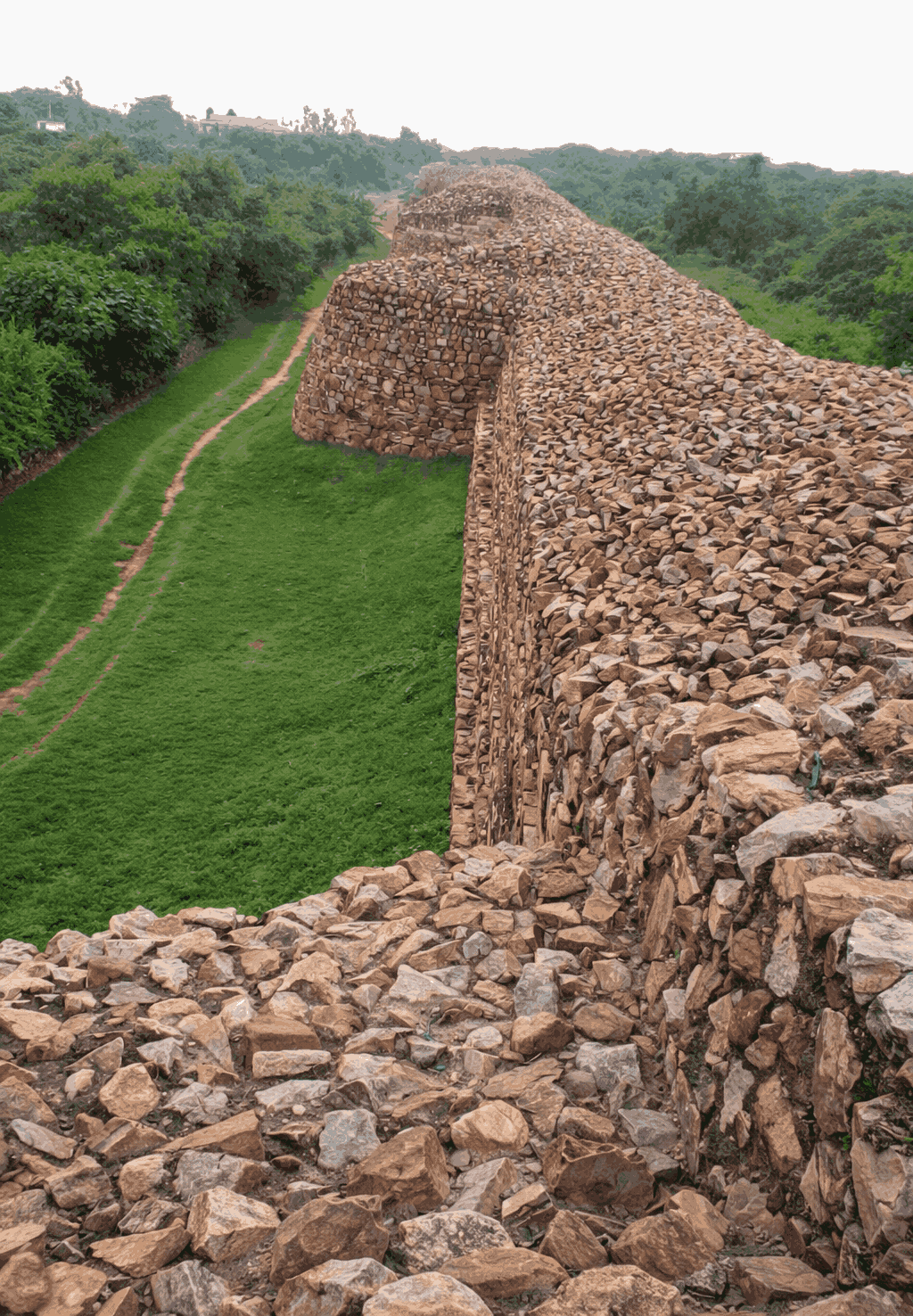
Delhi’s Qutub Minar complex transcends beyond its physical form with its captivating setting of the historical structures of architectural brilliance, entwined with the ebb and flow of the political powers of the corresponding era.
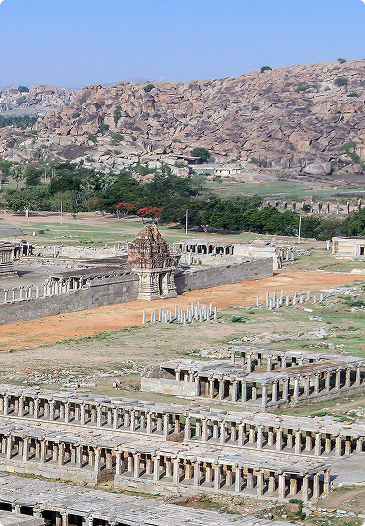
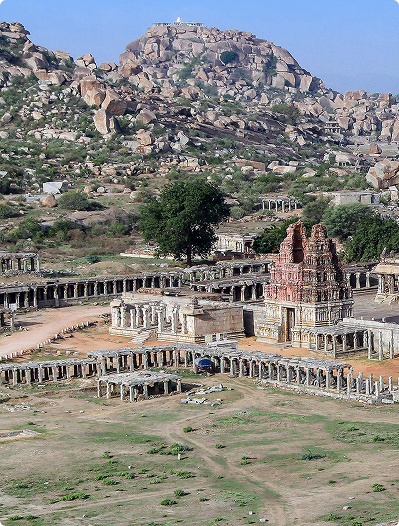
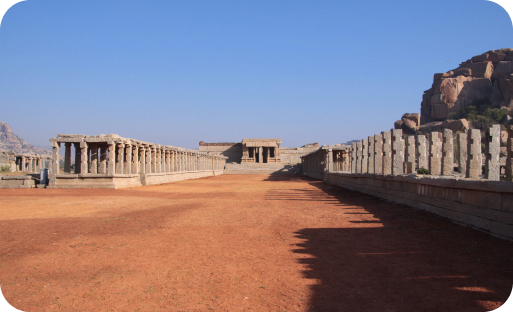
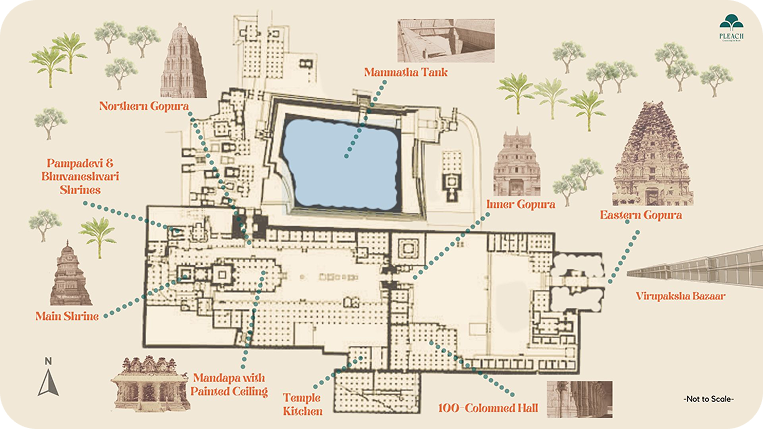
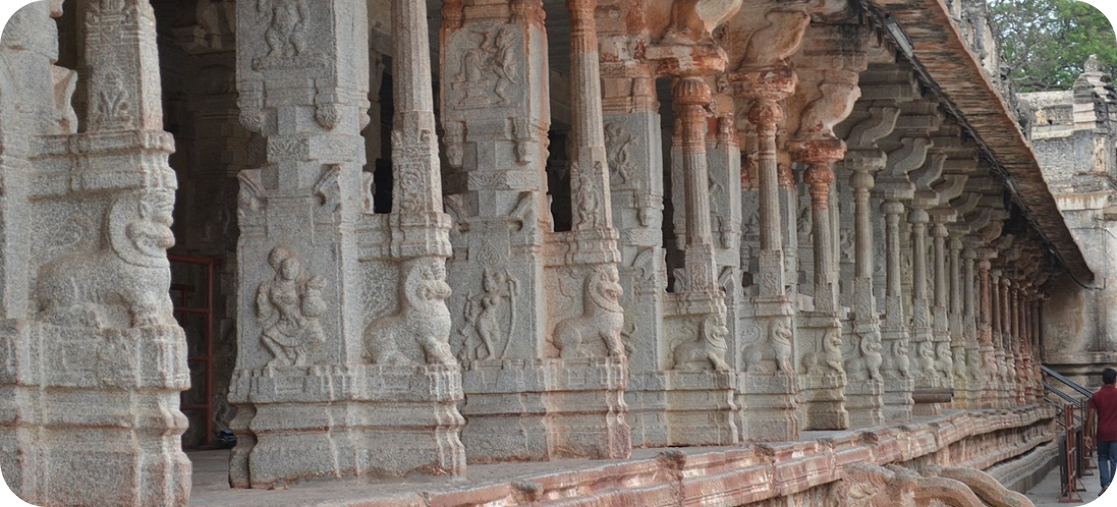
The Virupaksha Bazaar, with its rows of well- preserved pavilions, showcases the architectural heritage of Hampi. Some pavilions are even two stories tall, standing as testaments to the area’s prosperous past.
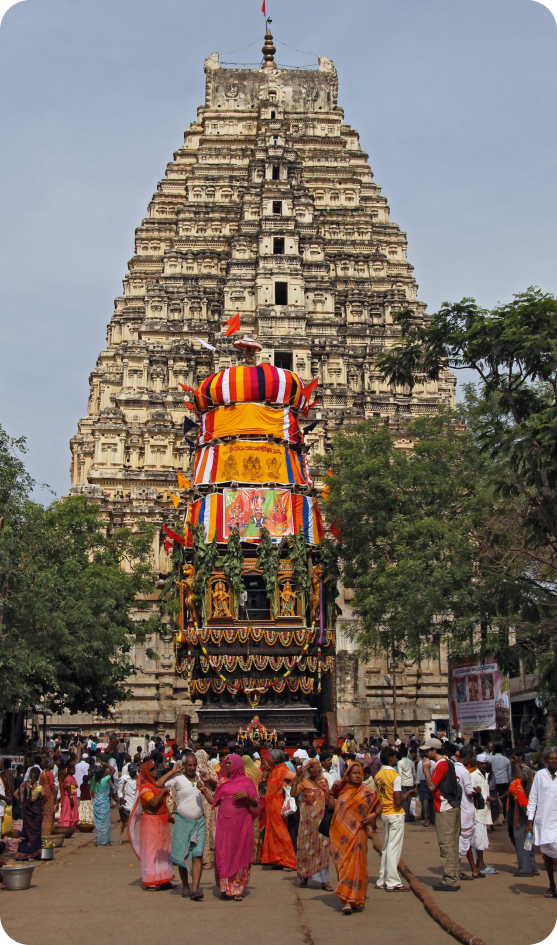
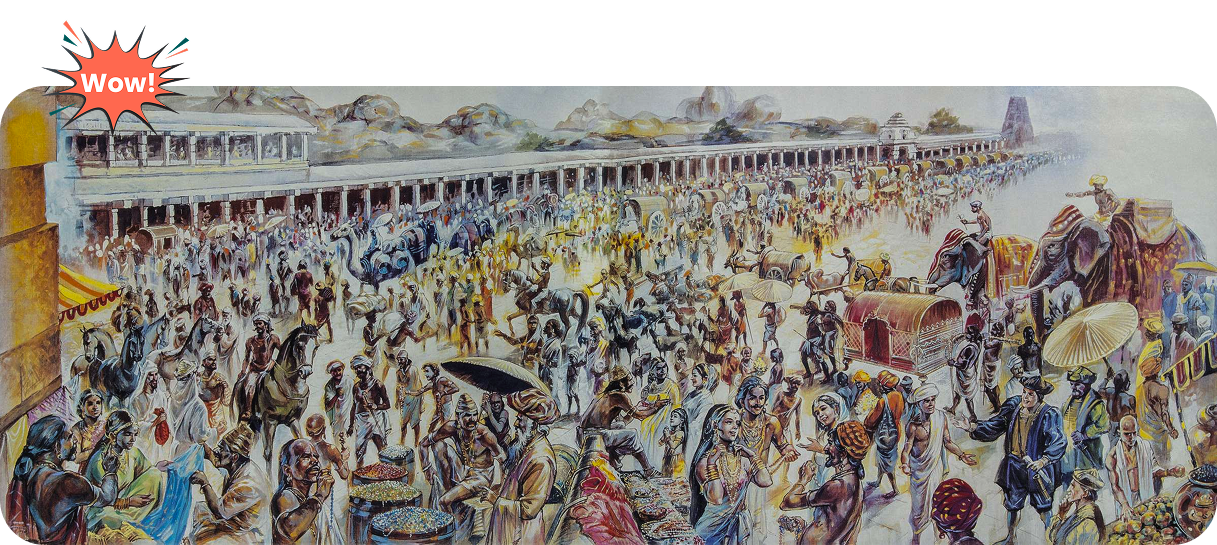
Today, the western end of the bazaar has transformed, with these historic pavilions now housing shops and restaurants for visitors. In contrast, the eastern end remains a residential area, where locals live in these ancient structures. In its prime, the Hampi Bazaar was a well-organised hub of vibrant trade, serving both the wealthy elite and the general populace. It also played a central role in the cultural life of the Vijayanagara Empire (1336-1646 CE).
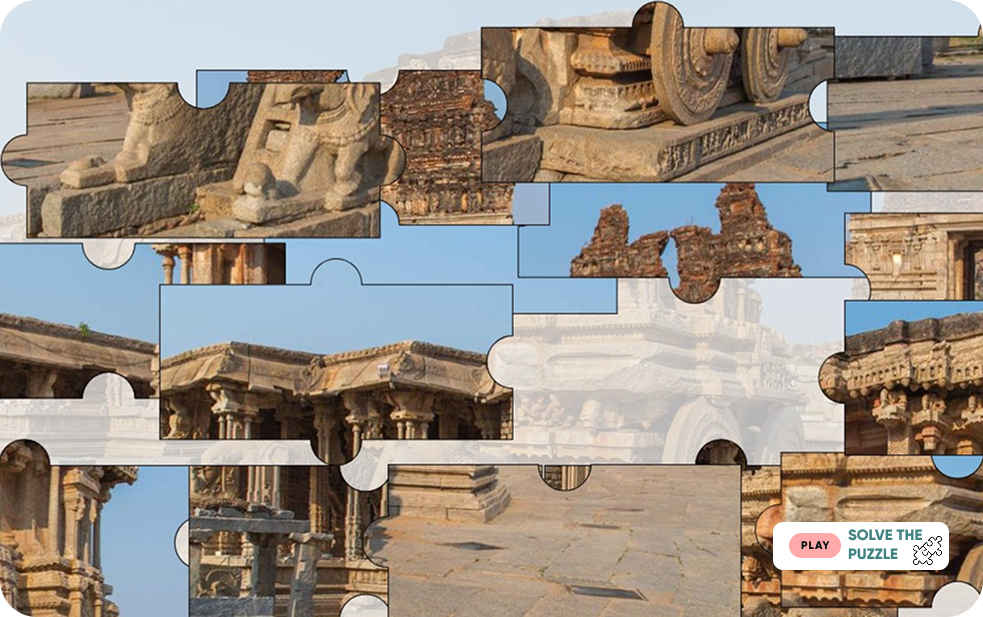
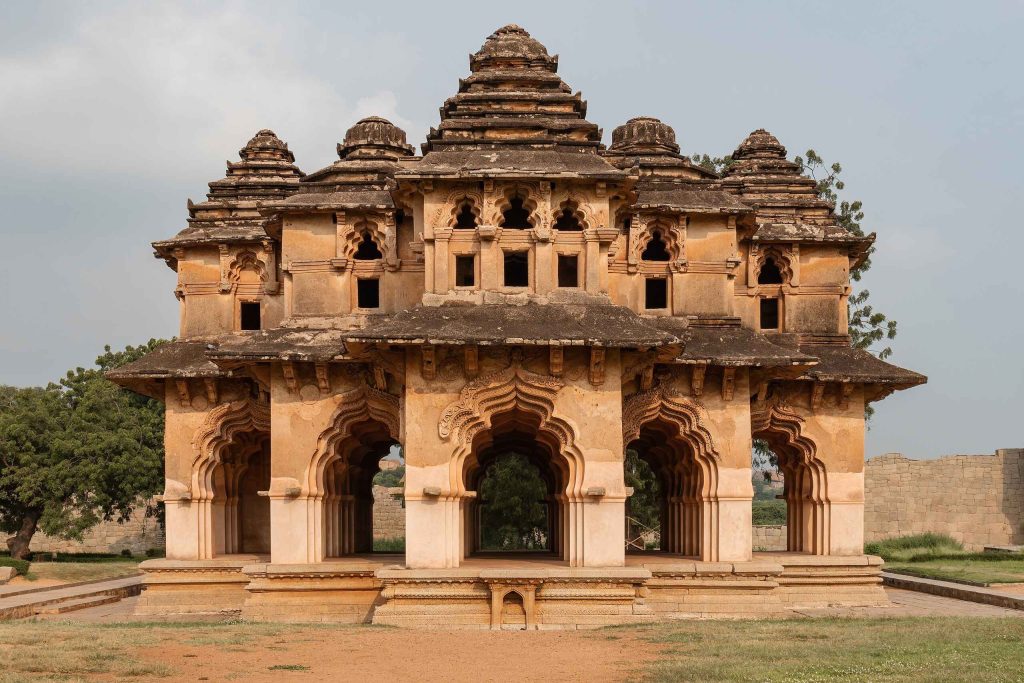
The Lotus Mahal, also known as Kamal Mahal or Chitrangini Mahal, is one of the most iconic architectural wonders of Hampi, Karnataka, India. Nestled within the Zenana Enclosure (the royal women’s quarters), this elegant structure stands out for its unique blend of Indo-Islamic architecture, making it one of the most photographed monuments in the region.
Nearest Airport is Trichy Airport (109 km). Ariyalur can be reached by bus or train from Trichy.
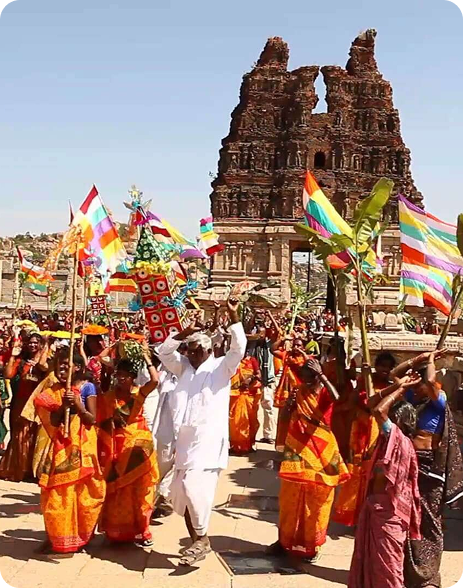

Please stop marking me, for I stand as a guardian of the past.

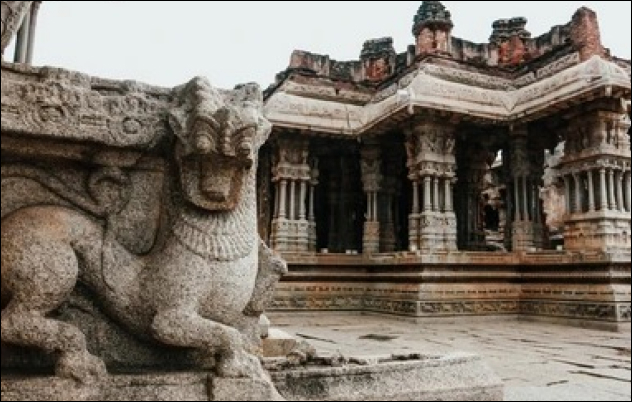
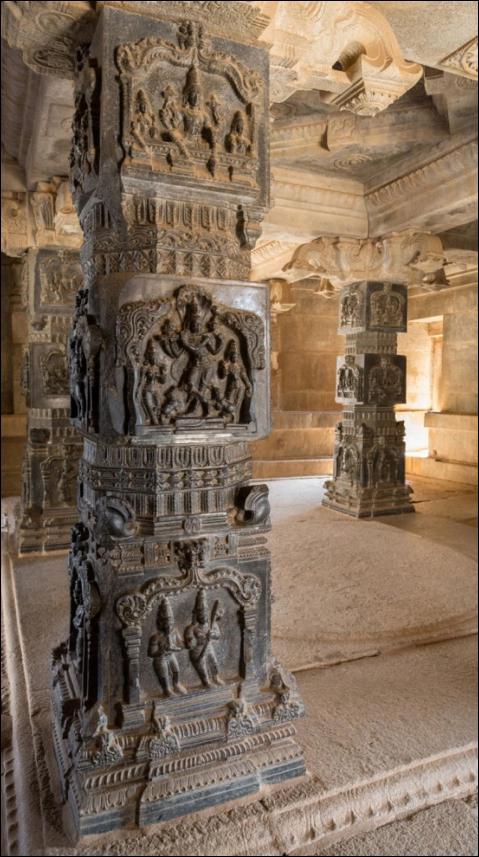
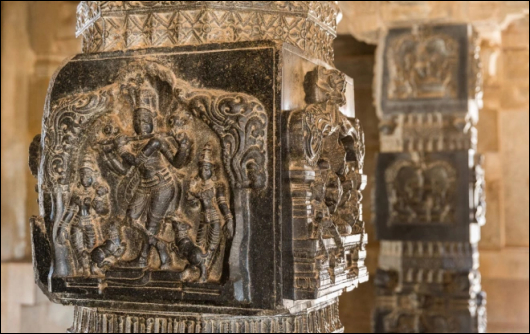
Explore how time, restoration, and heritage conservation have transformed Hampi from an ancient site into a must-visit cultural treasure.
Hampi’s ruins once stood silent, covered in history and nature’s embrace. Crumbling stone structures and overgrown pathways told tales of a forgotten empire.
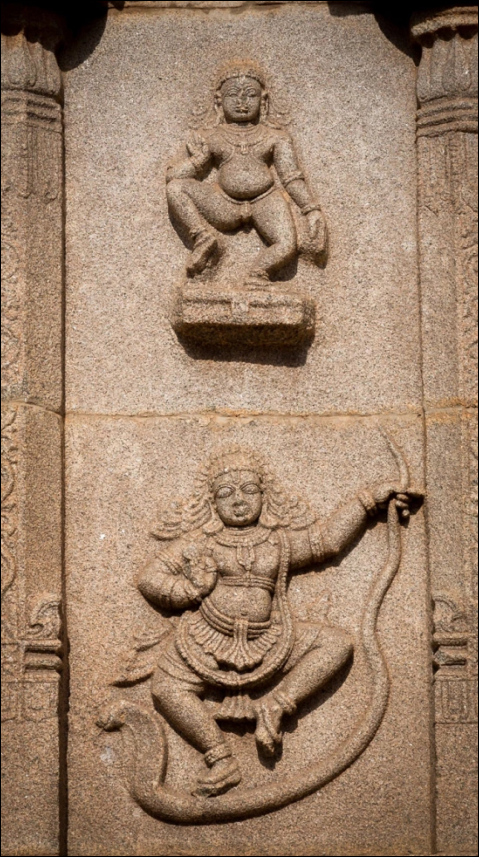
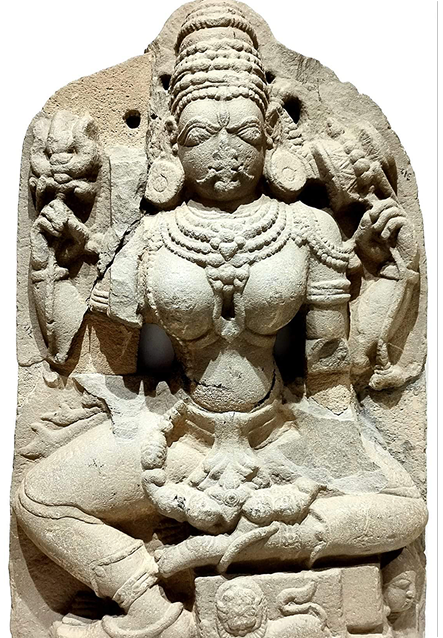
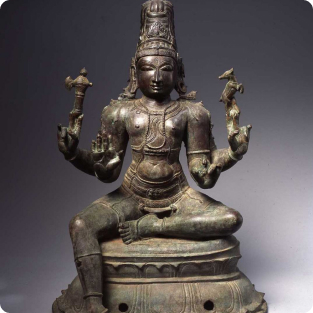
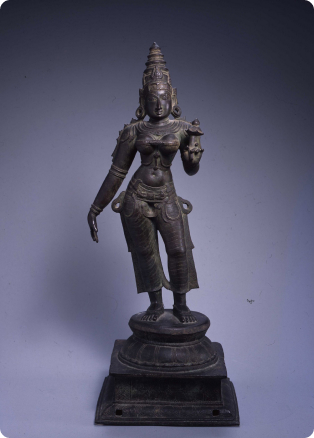
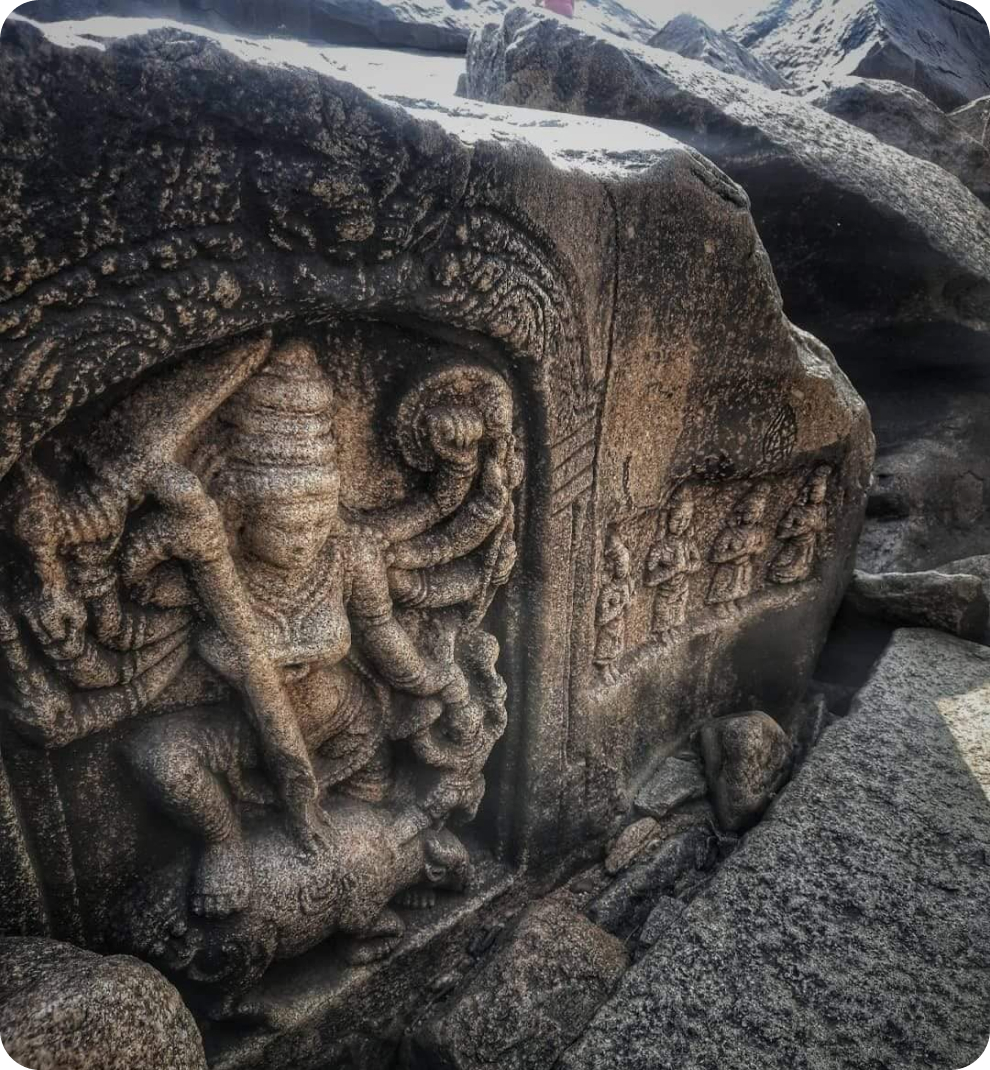
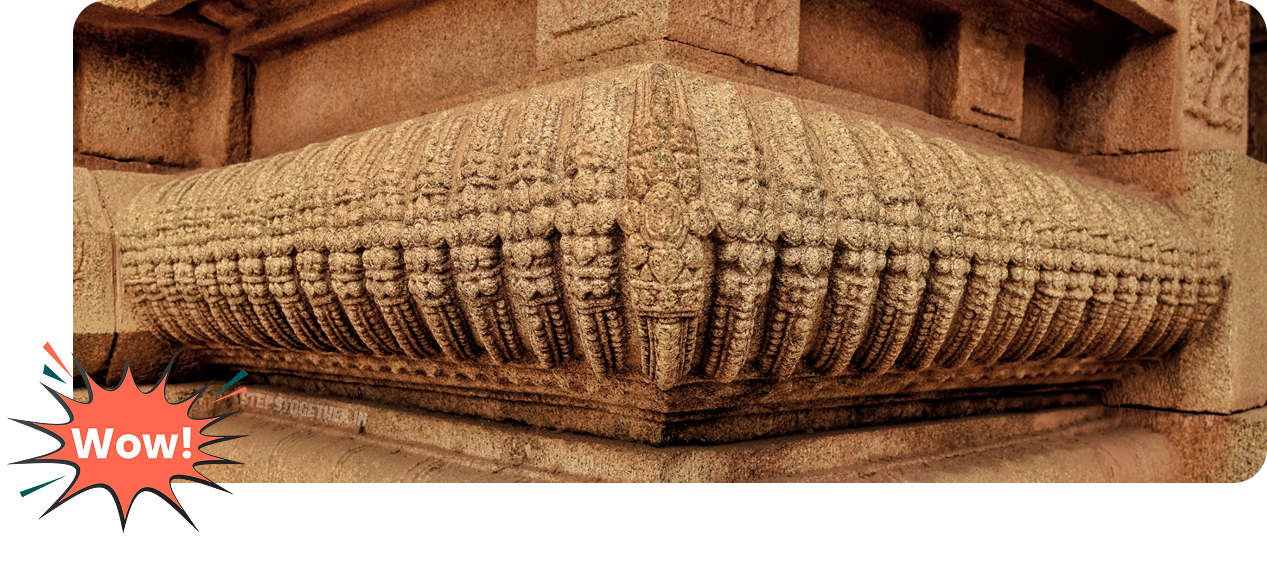
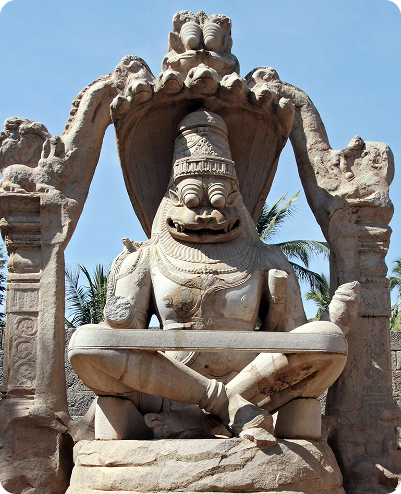
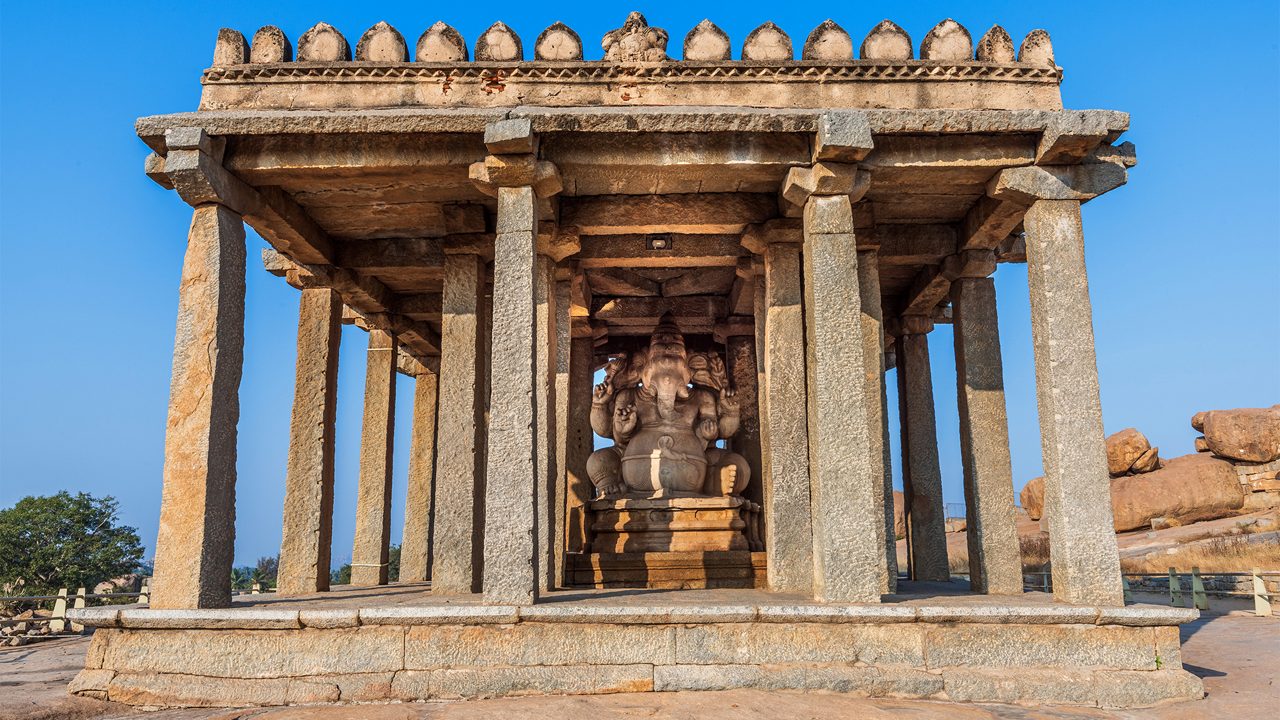
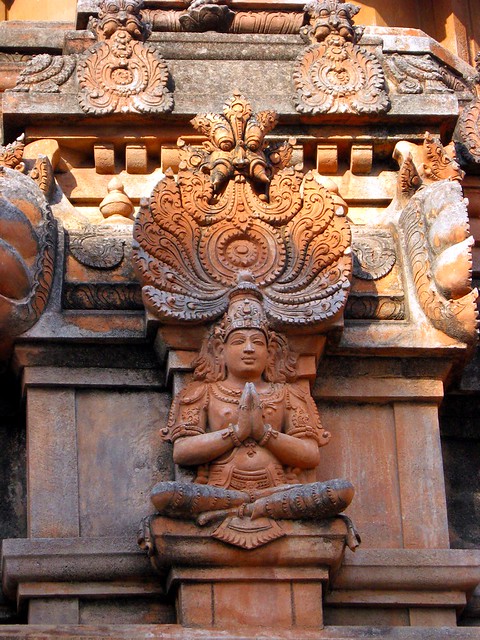
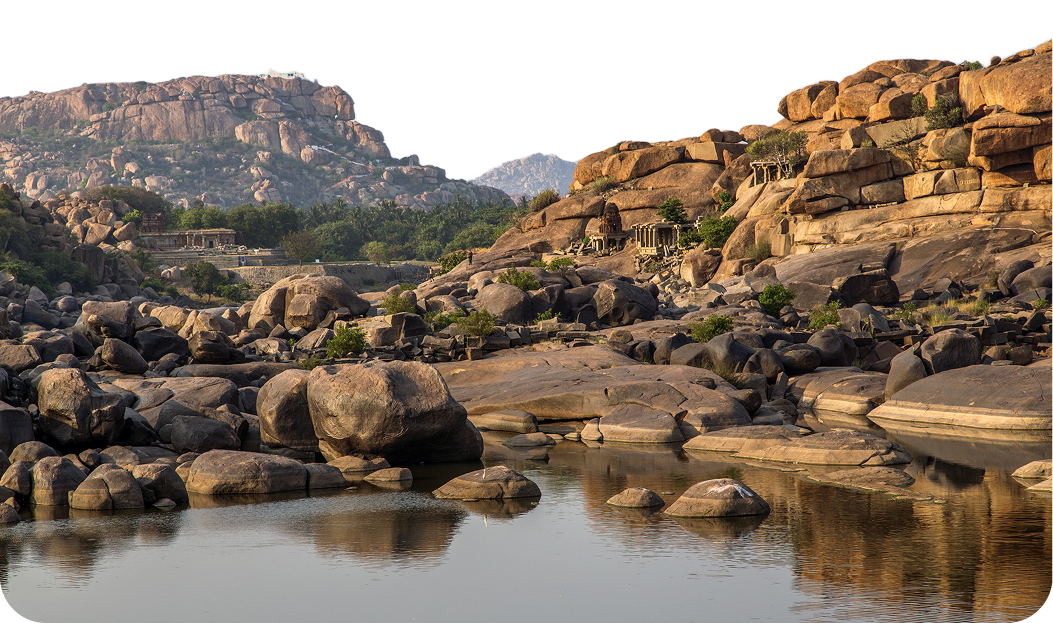
Sprawling majestically over 41 square kilometers, Hampi is an open-air museum teeming with the architectural wonders of the Vijayanagara Empire. The Vijayanagara rulers displayed innovation in town planning, evident in the well-laid-out city of Hampi with its royal enclosures, sacred complexes, and public spaces.
The Portuguese traveler Domingo Paes, who visited his court, wrote:
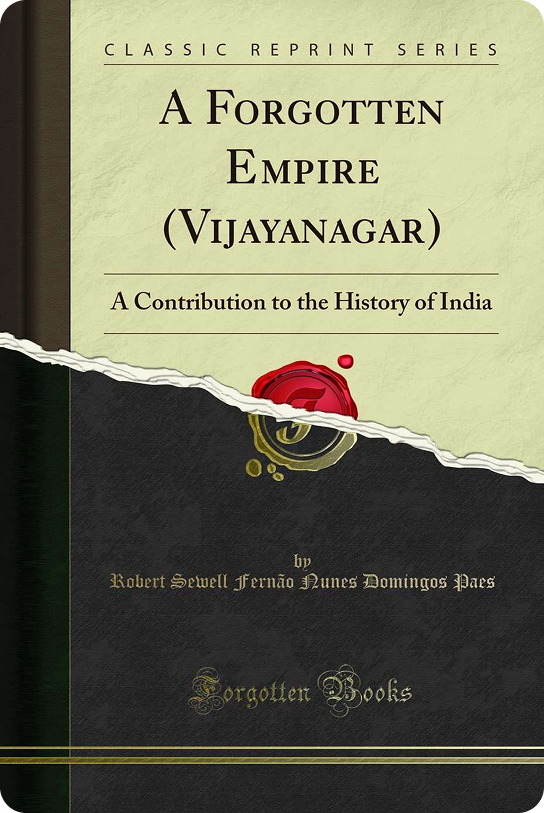
The history of the Vijayanagara Empire is vast and multifaceted, best understood through a careful study of key scholarly works. Below are some of the major books that offer detailed insights into its political history of the region
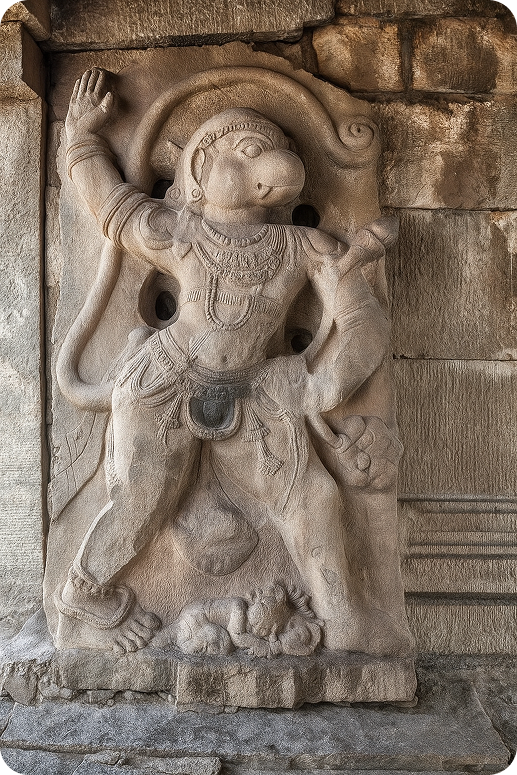
Sangama dynasty (1336-1422 CE) laid the foundation, defeating the Deccan Sultanates and establishing a vast kingdom that stretched across the Deccan Plateau.
Saluva dynasty (1422-1485 CE) ushered in a period of relative peace and stability, allowing cultural and literary pursuits to flourish.
Tuluva dynasty (1491-1565 CE) is considered the zenith, expanding the empire’s borders and fostering a golden age of art, literature, and administration.
Aravidu dynasty (1565-1646 CE) witnessed a gradual decline, culminating in the empire’s downfall at the Battle of Talikota in Hampi region (1565 CE).