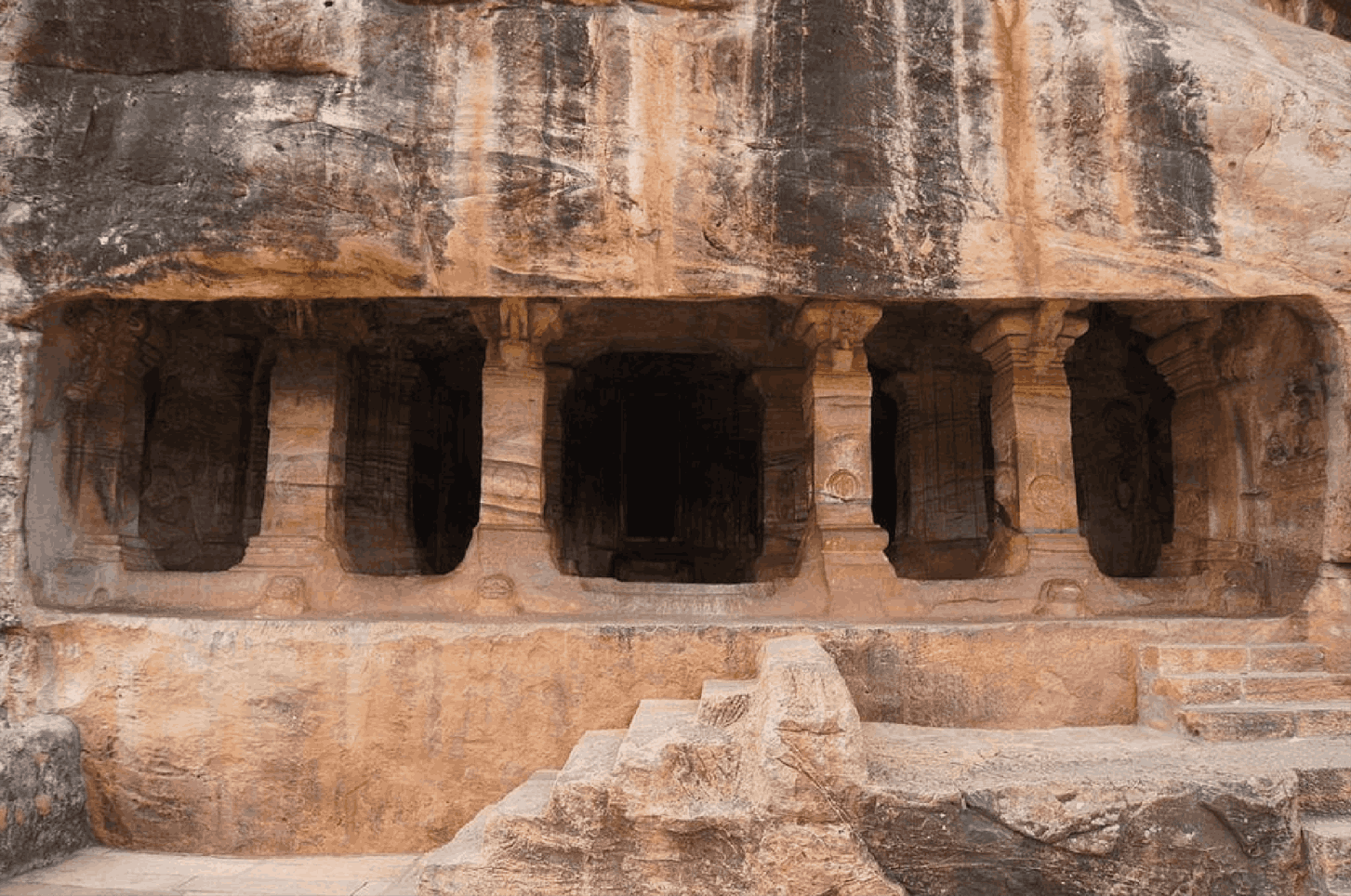

‘Junnar has the largest number of rock excavations, about 252 in all. This great number of excavations indicates the existence of a large and prosperous city supporting the monastic community residing in the caves. The location of Junnar, however, has all the geo-economic aspects favorable for the growth of such a city.’
Nagaraju, S in his book Buddhist Architecture in Western India (c. 250 B.C.-c. A.D. 300)
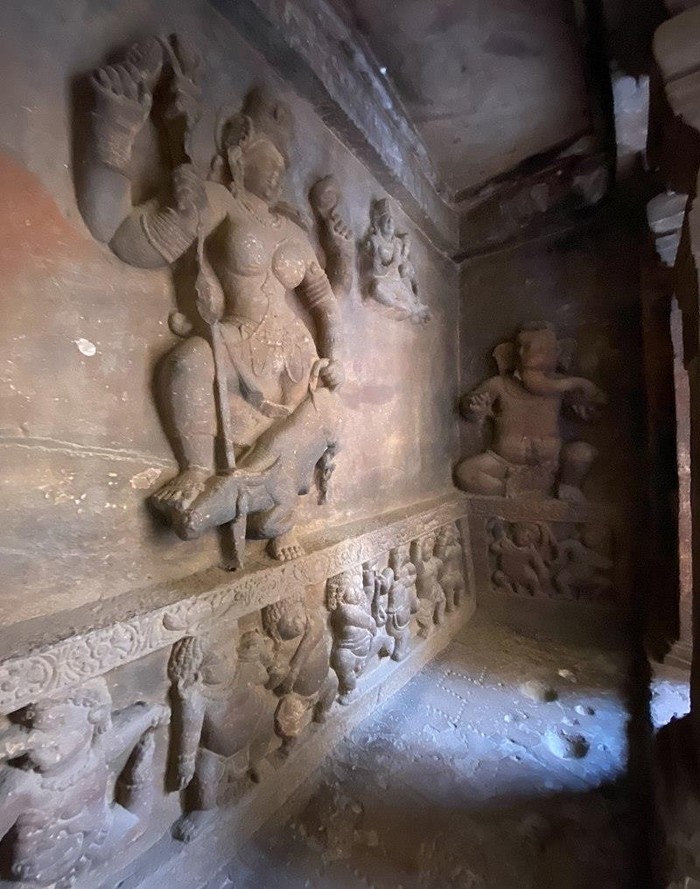
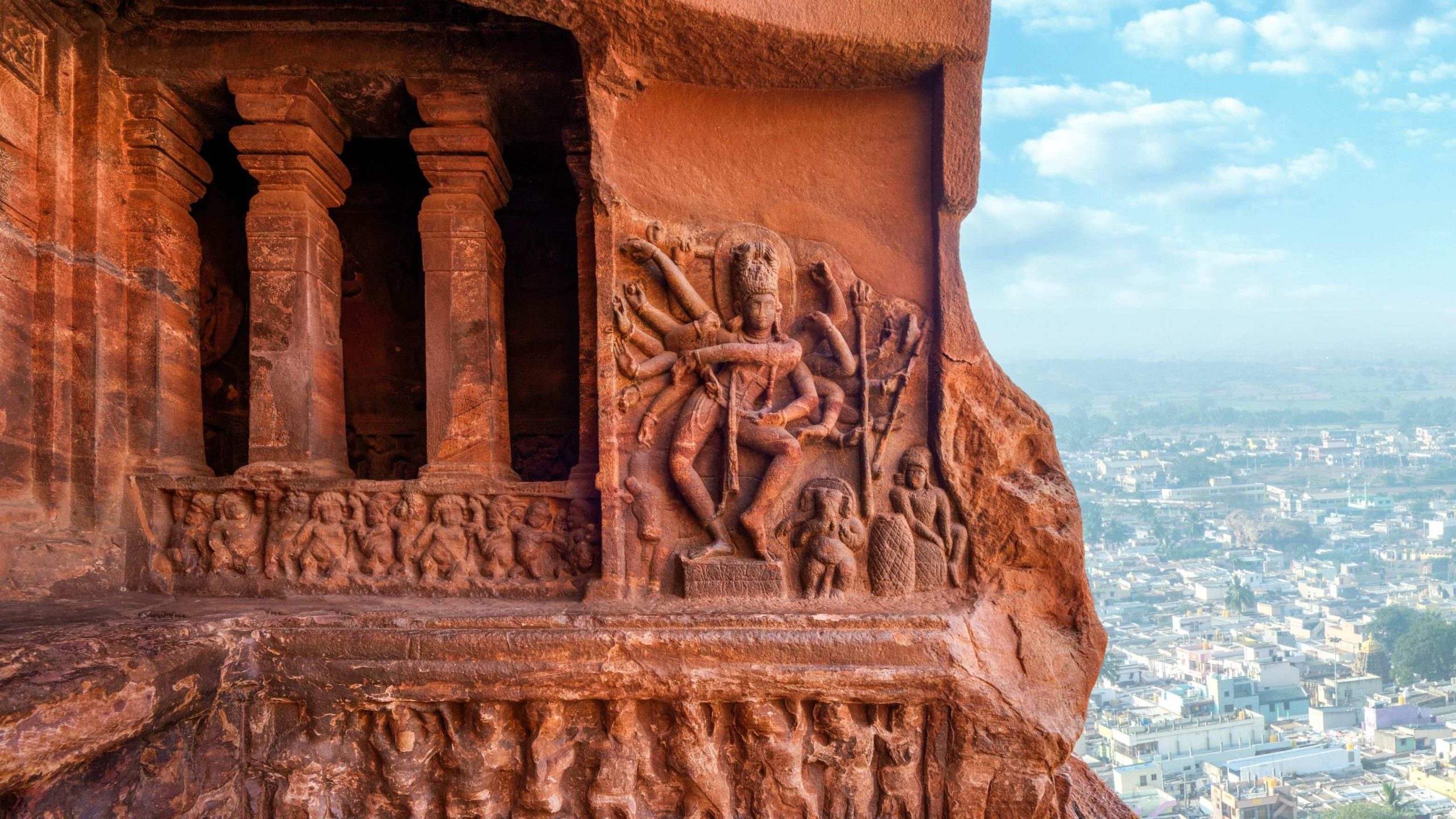
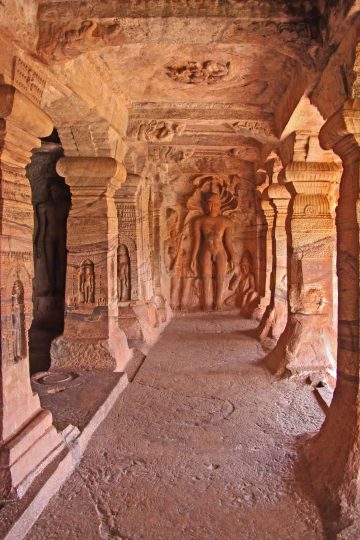
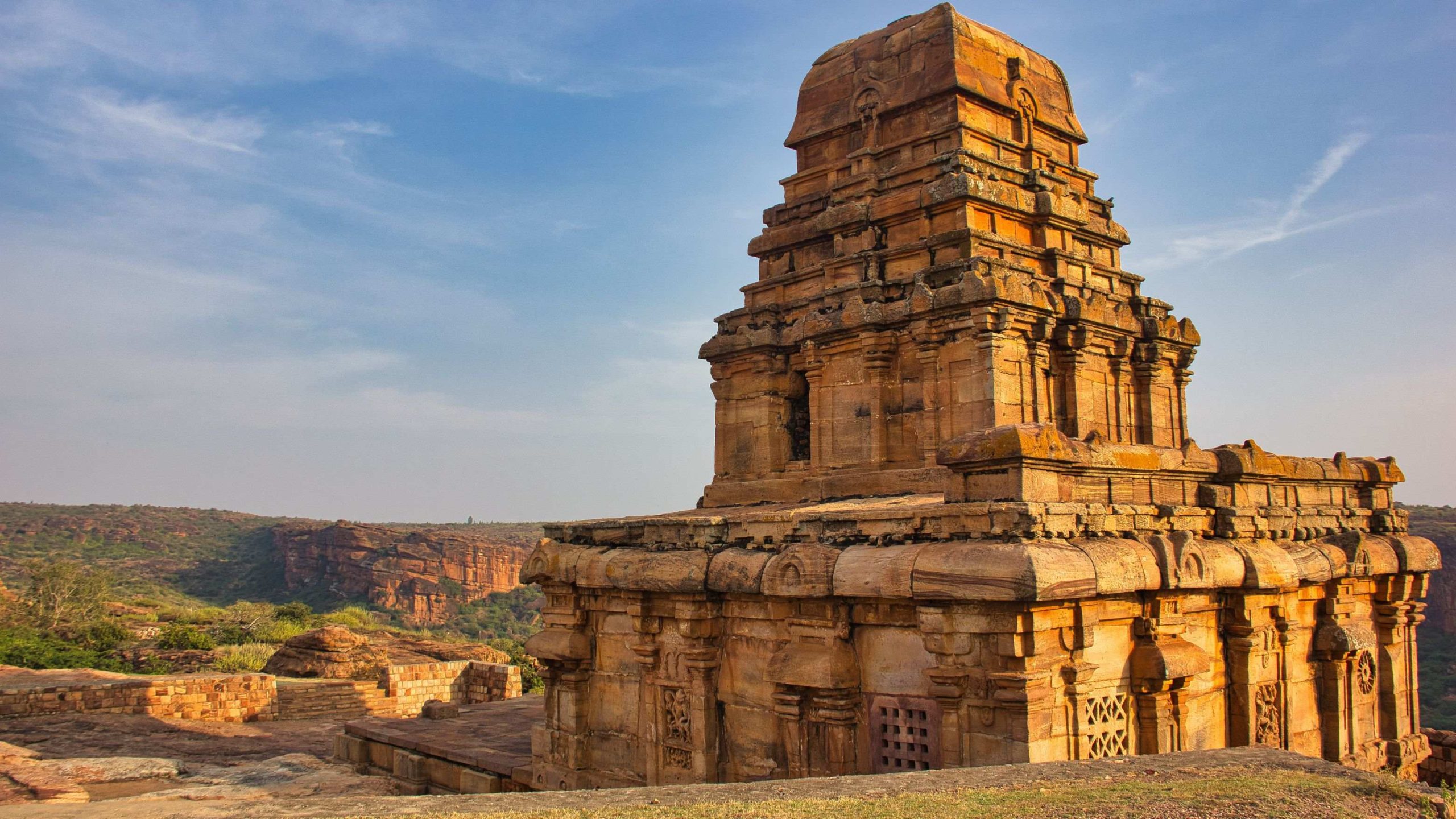
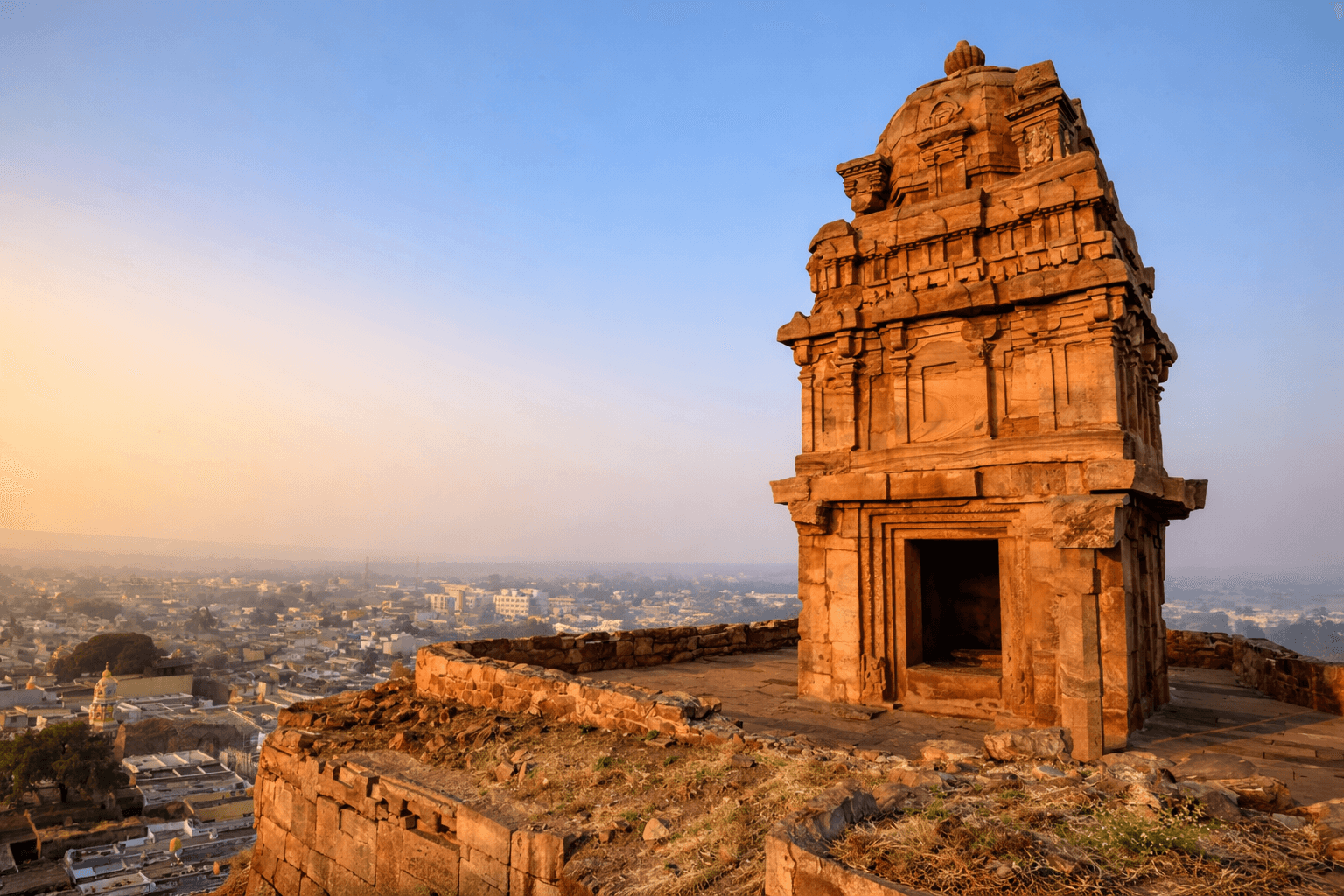
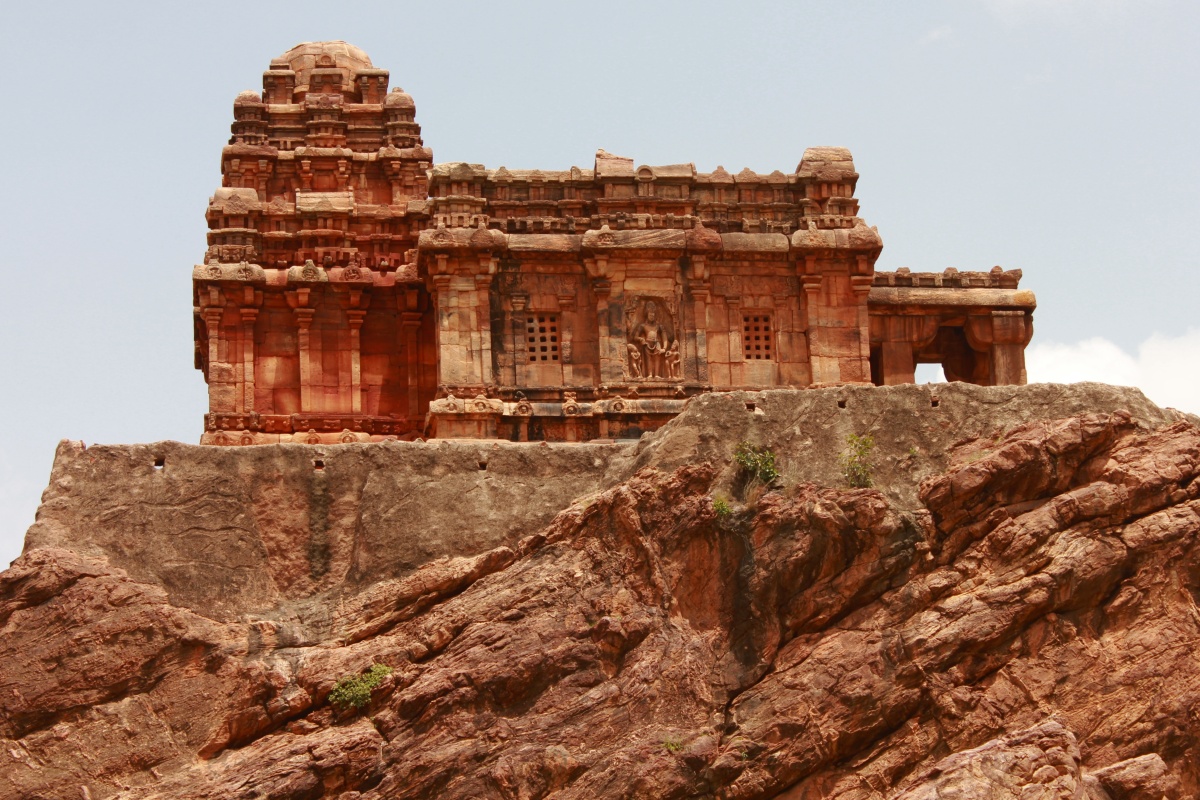
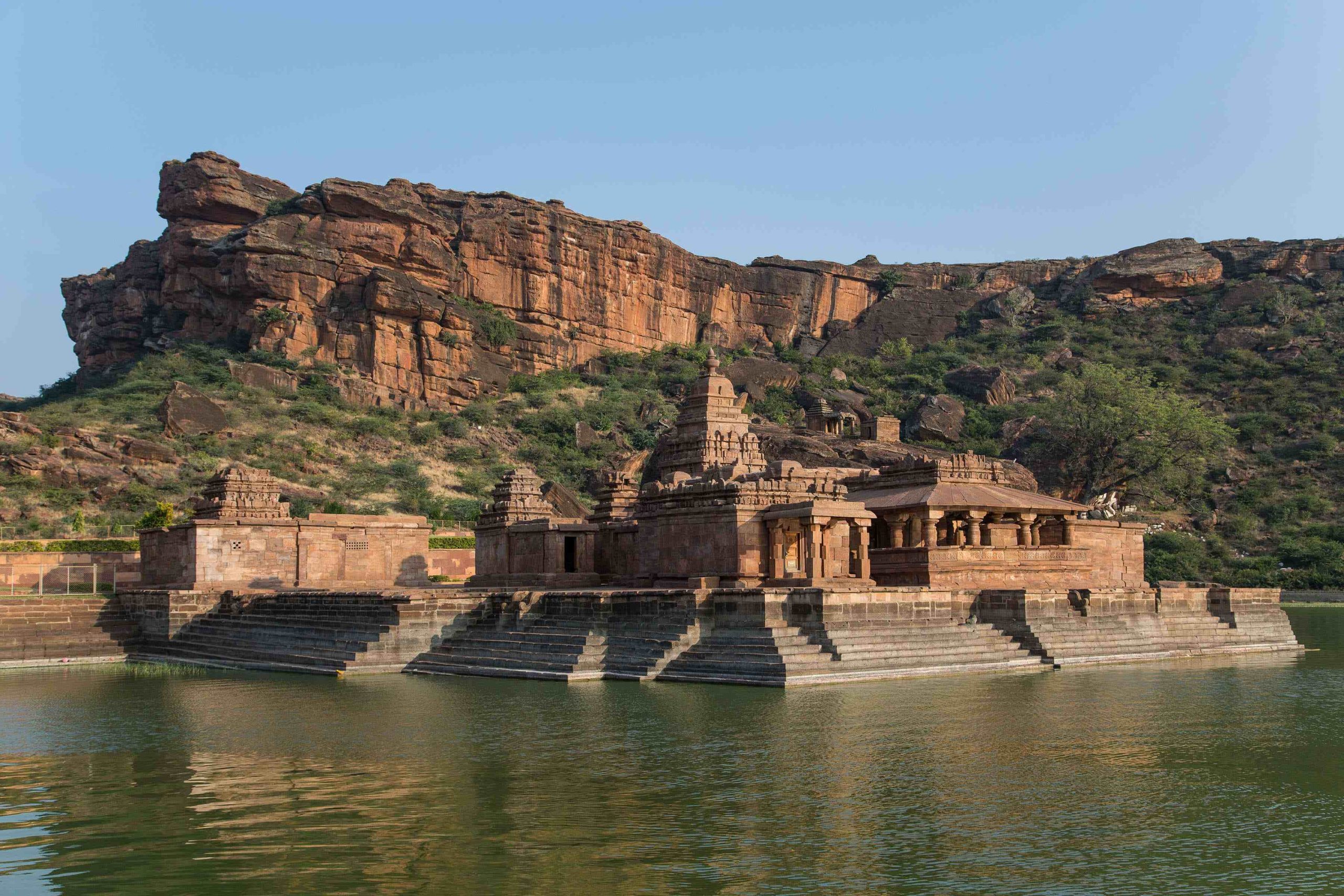
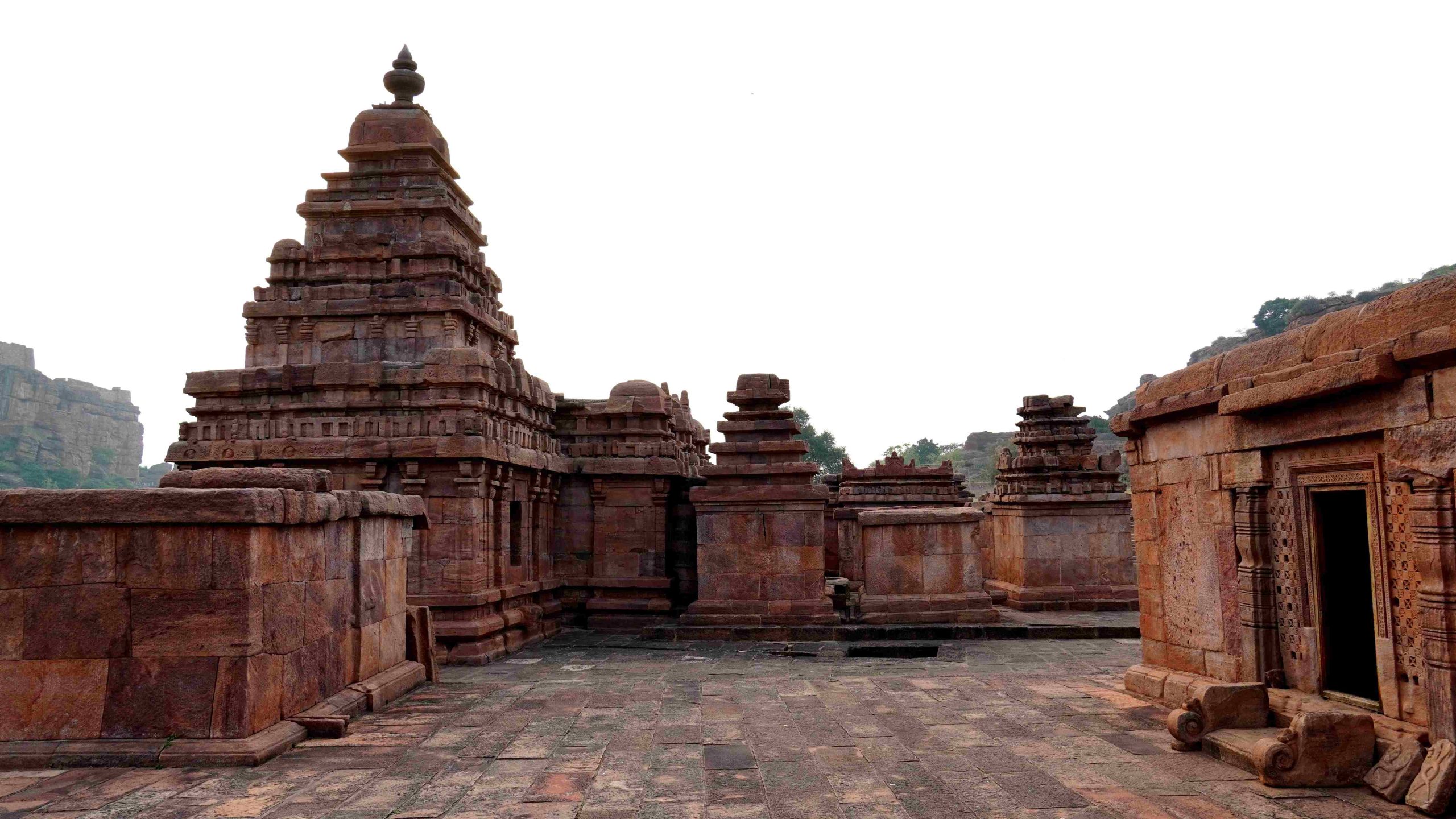
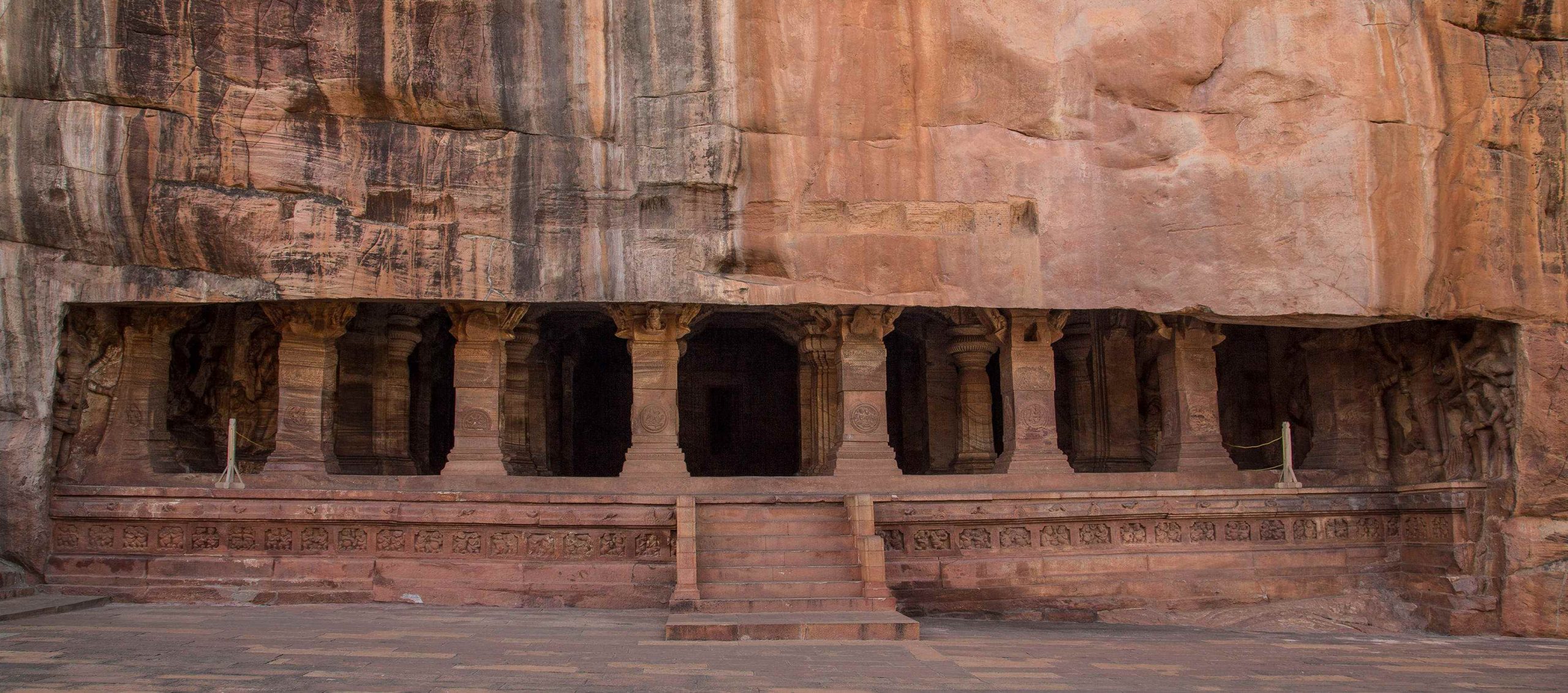
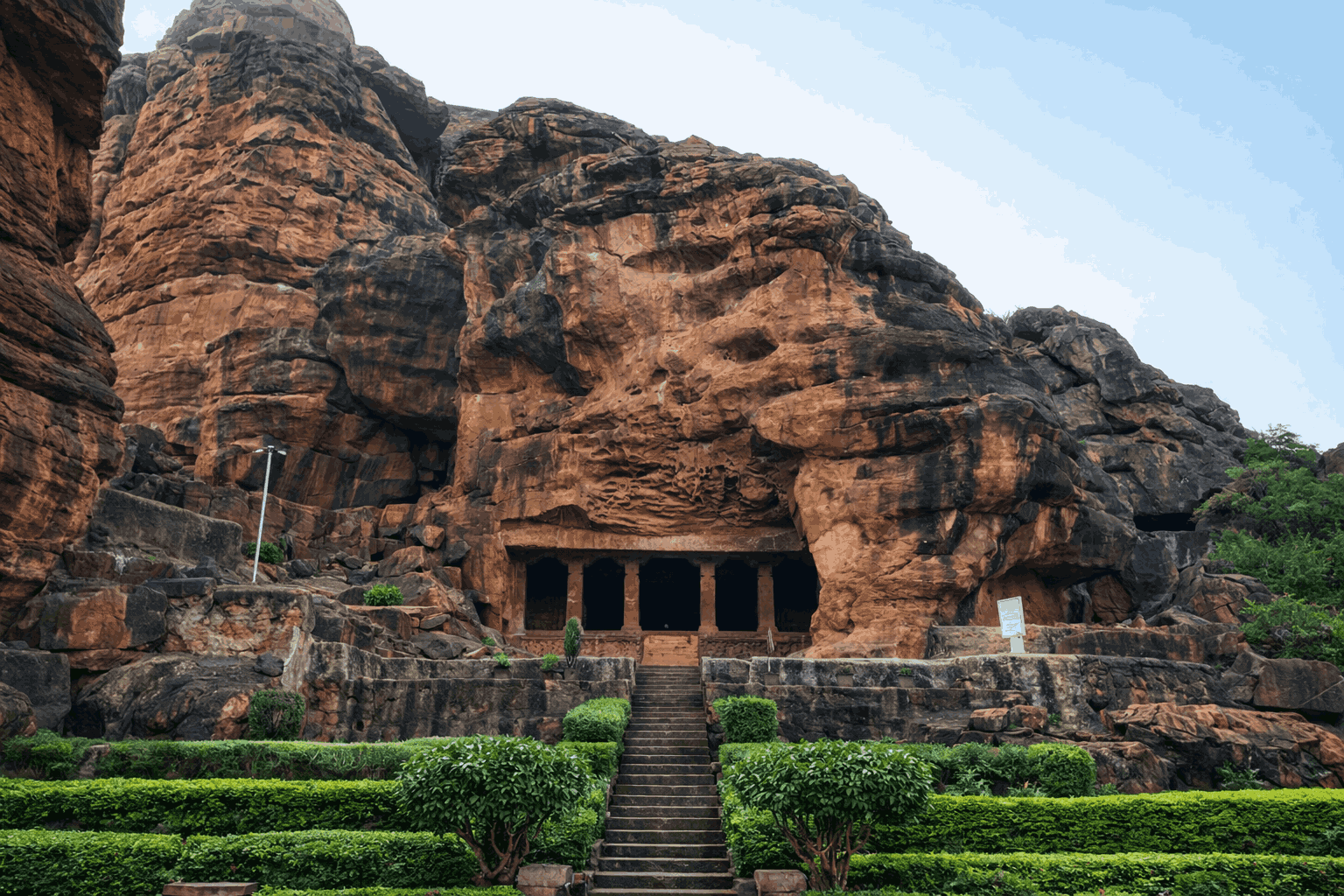
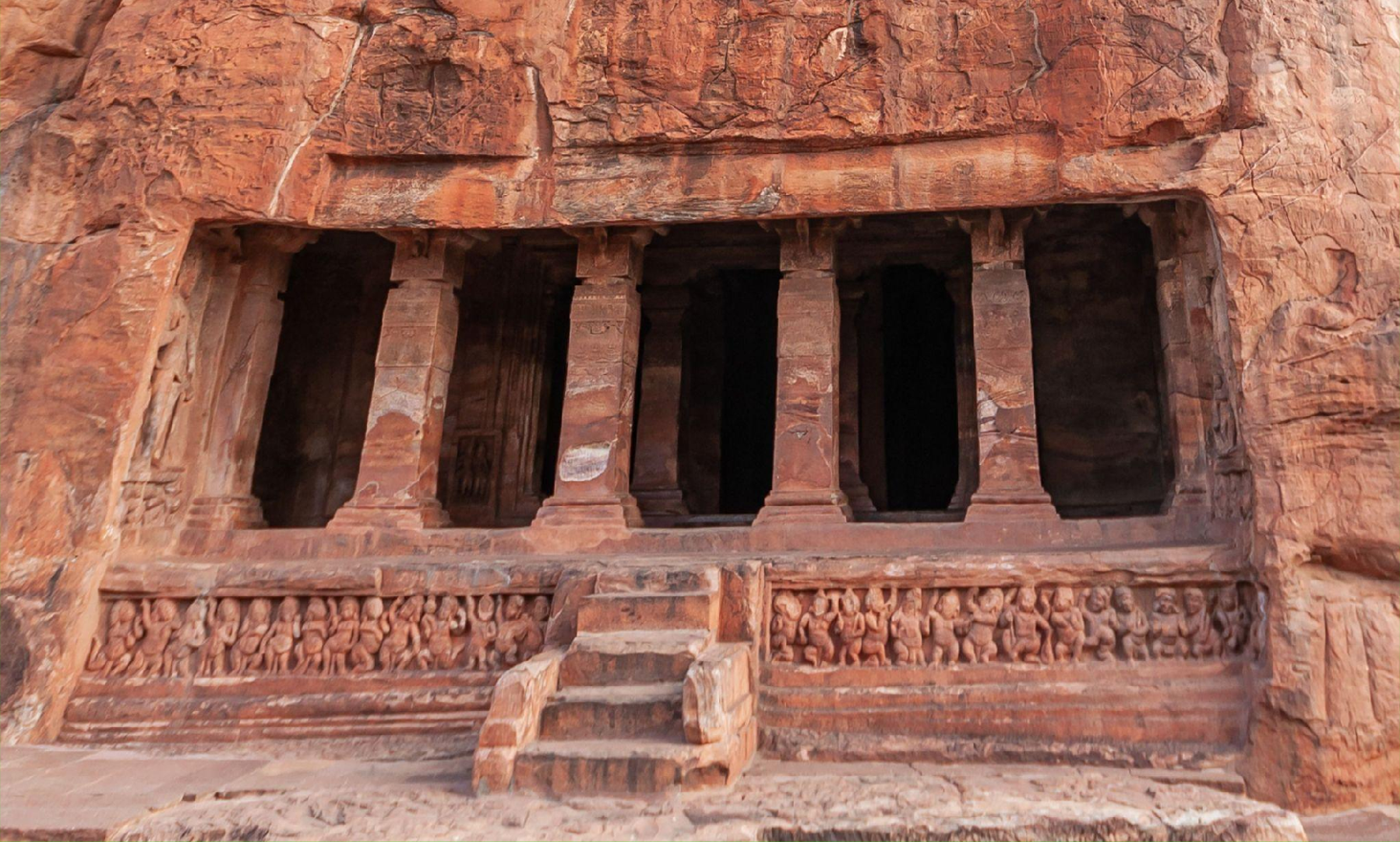
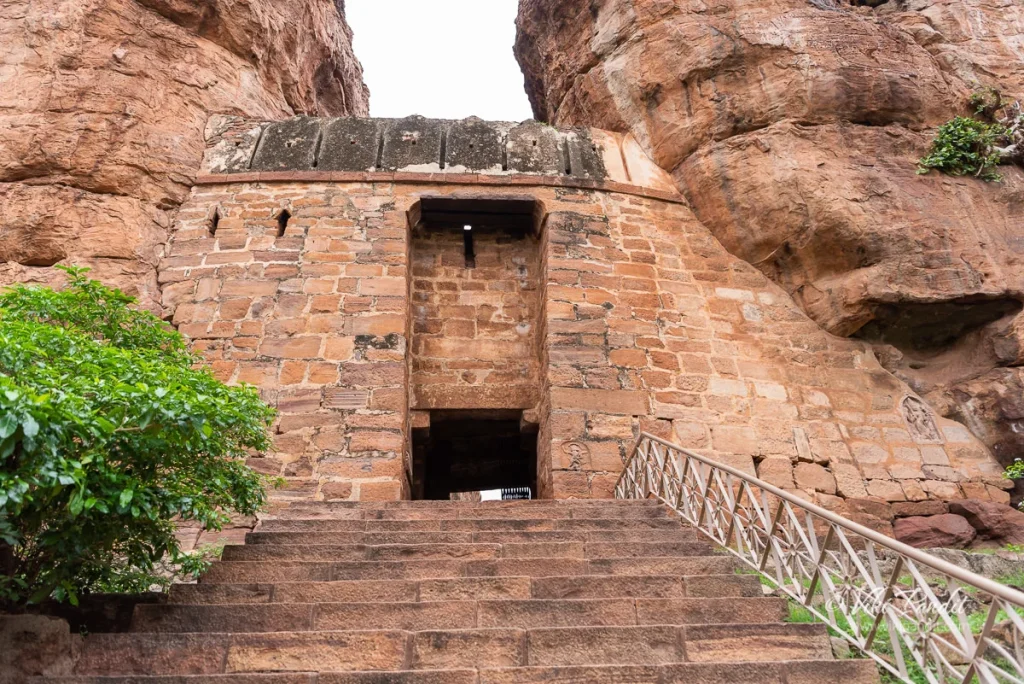
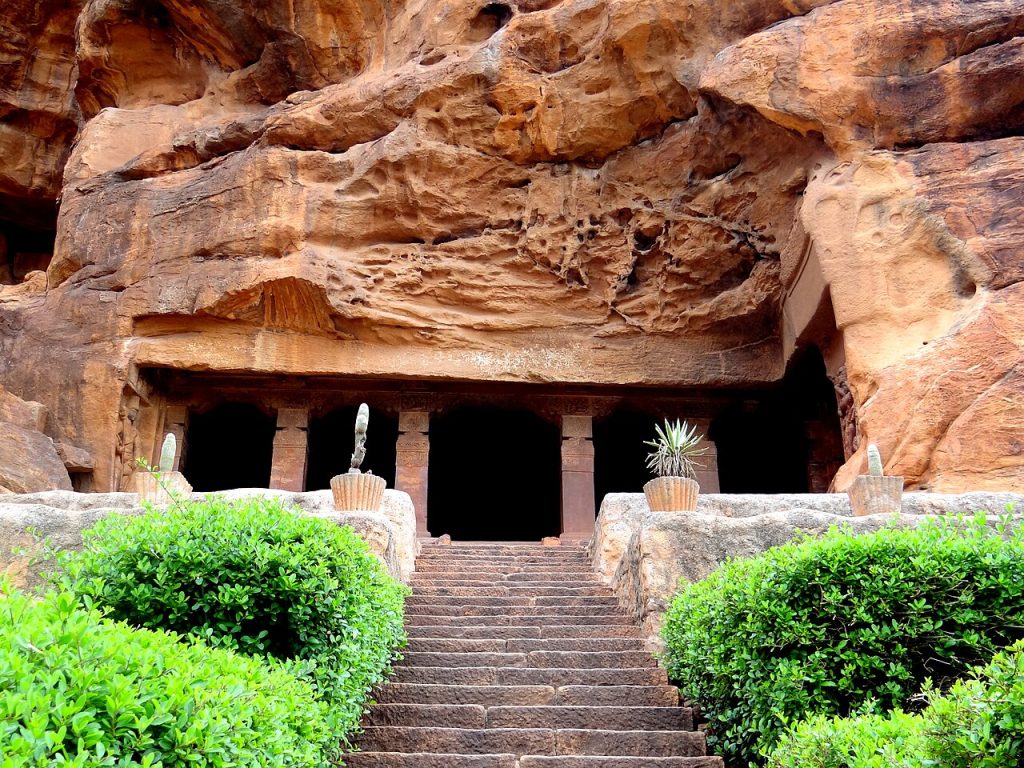
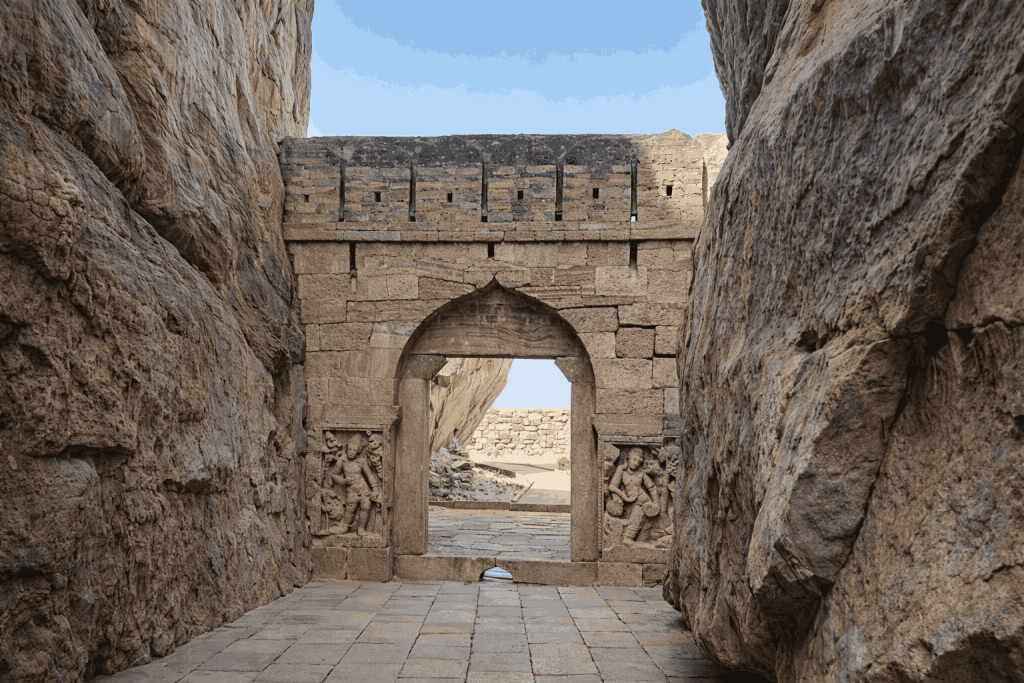
Junnar, near Pune in Maharashtra, is known as the birthplace of Chhatrapati Shivaji and an important ancient Buddhist center (2nd century BCE–3rd century CE). The site has around 200 rock-cut caves carved into the Sahyadri hills, mainly linked to the Hinayana tradition. These caves, known for their architecture and carvings, are grouped into Lenyadri, Tuljalena, and Ganeshlena. Lenyadri is the most famous, featuring chaityas (prayer halls) and viharas (monasteries).