
“What the Sanchi monuments were to the inhabitants of the city in the early Buddhist period, the Udayagiri caves were to them in the Gupta period.”
D.R. Patil [Archaeologist, in his book “The Monuments Of The Udayagiri Hill”]
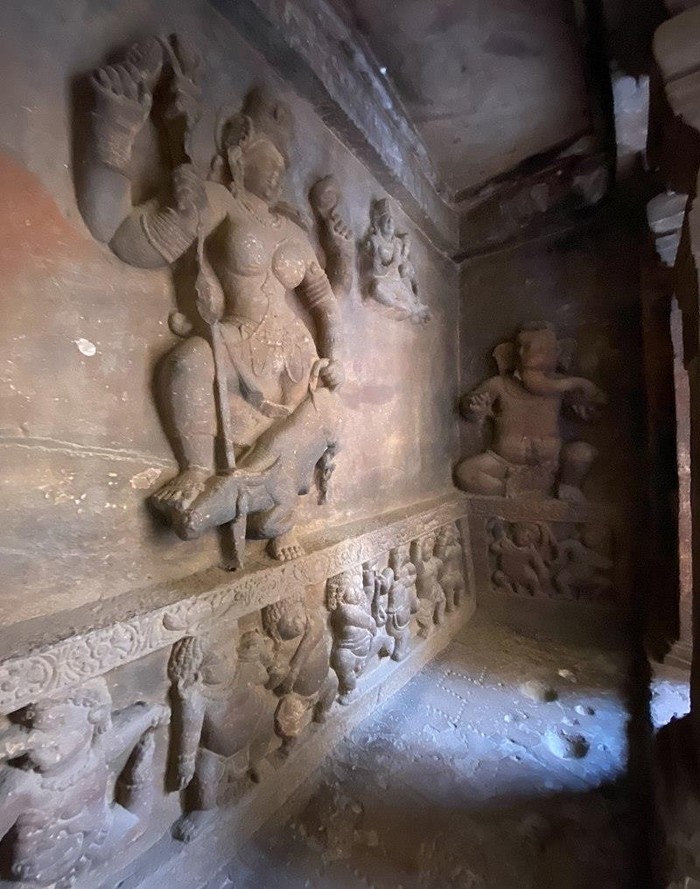
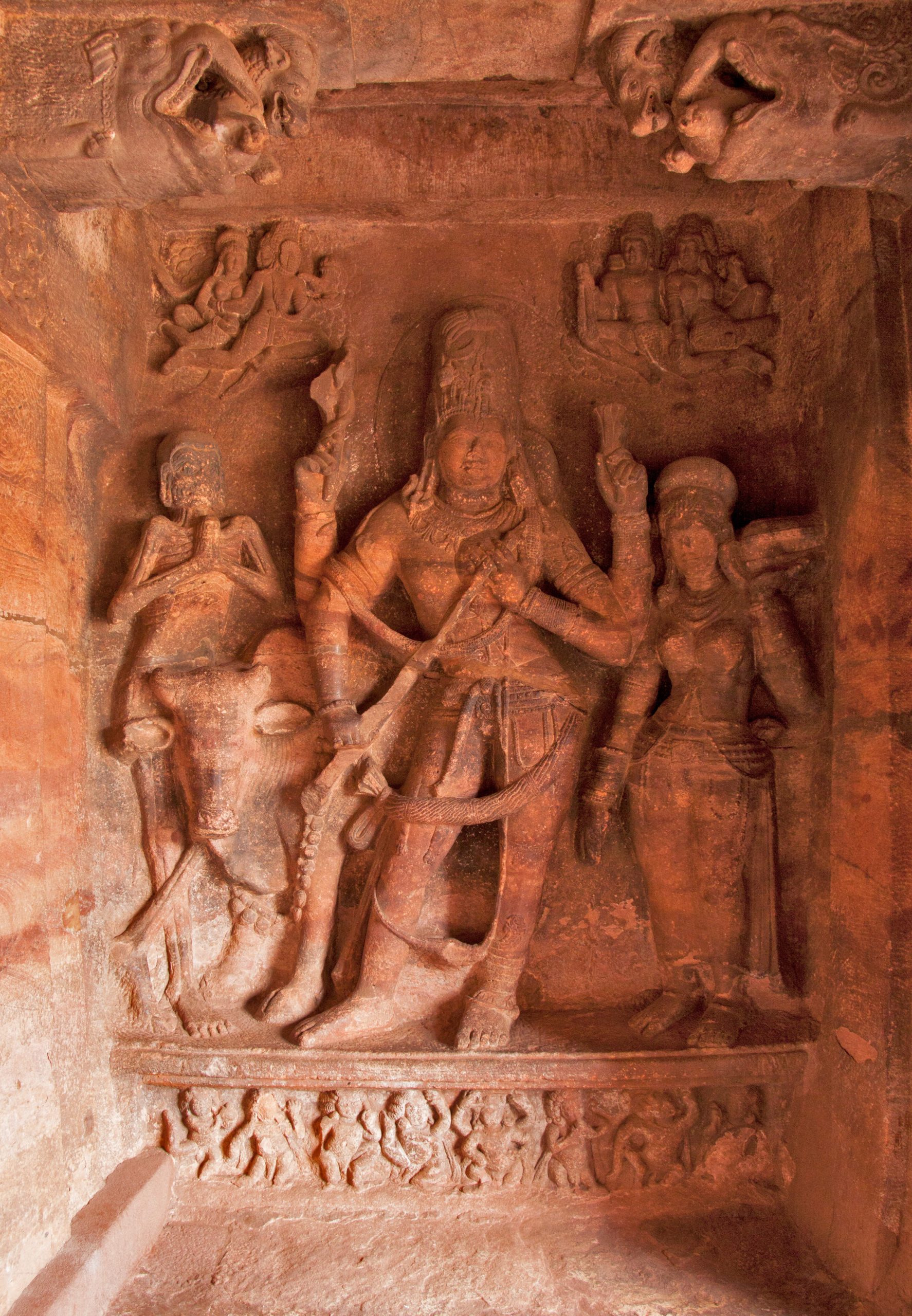
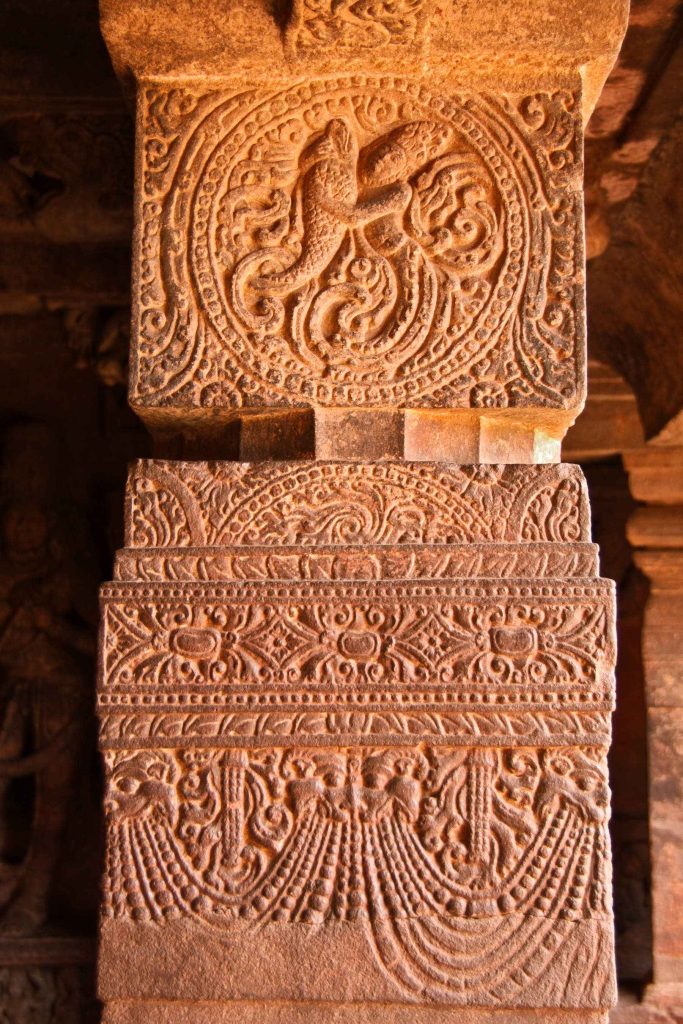
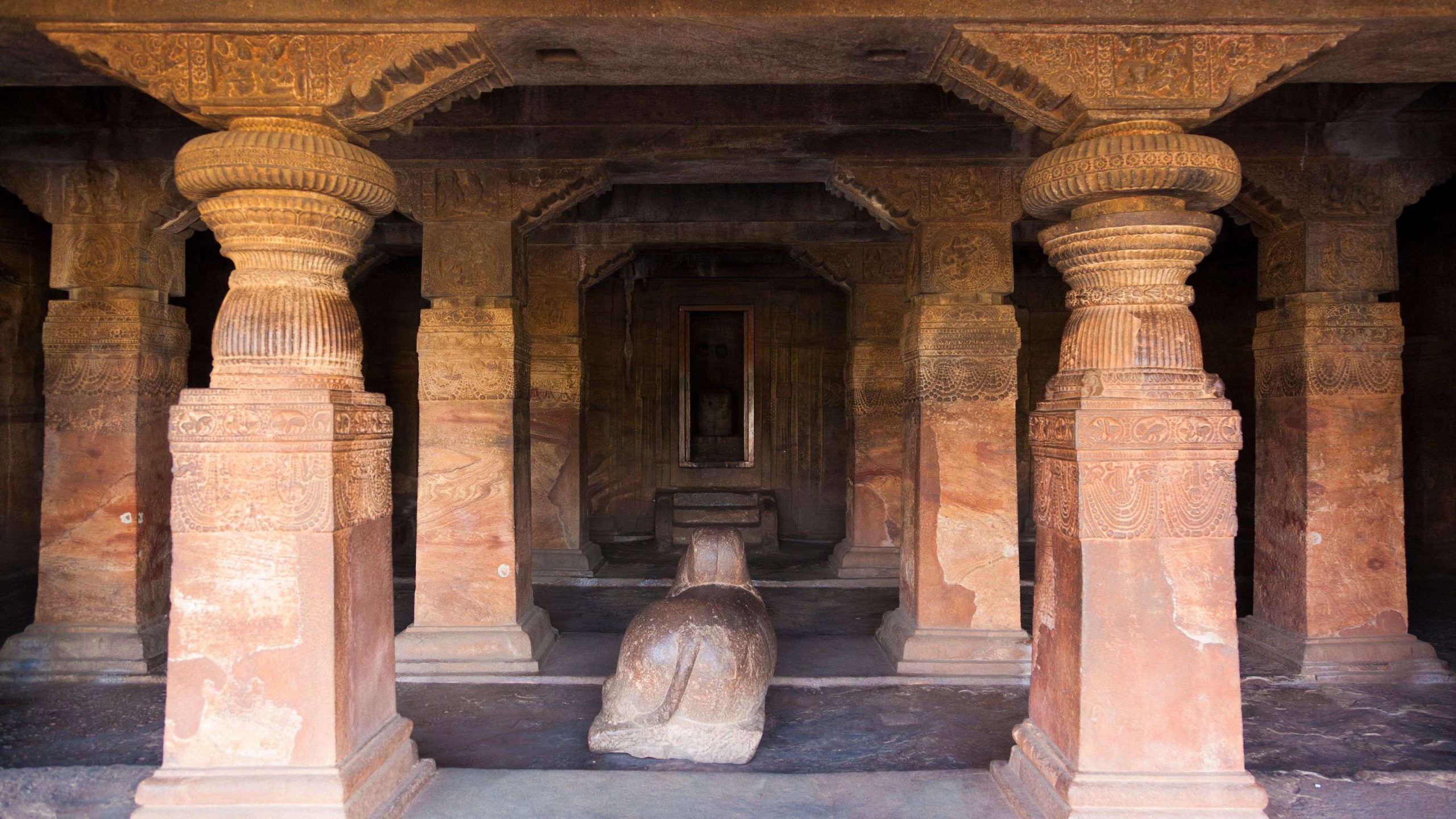
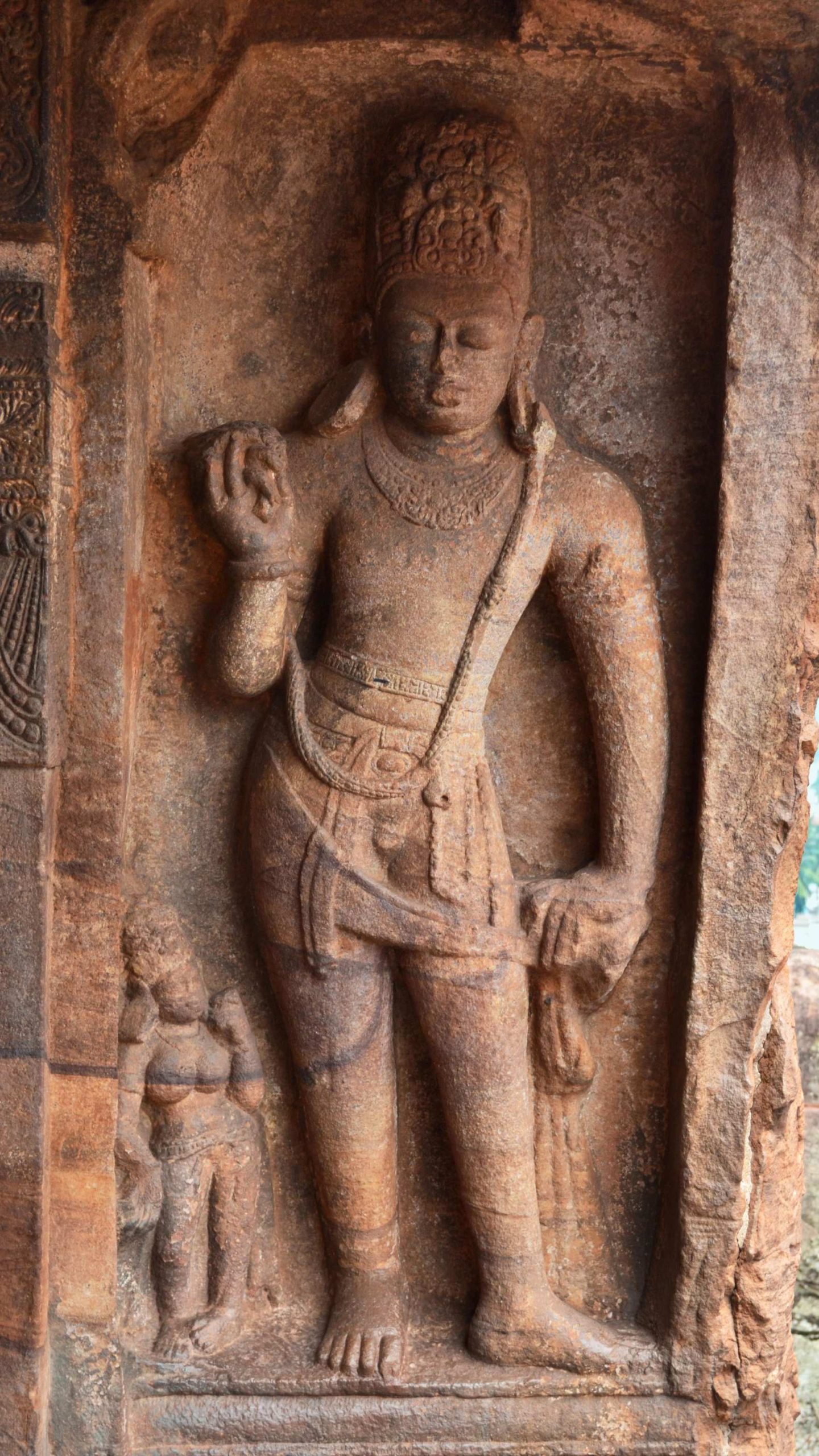
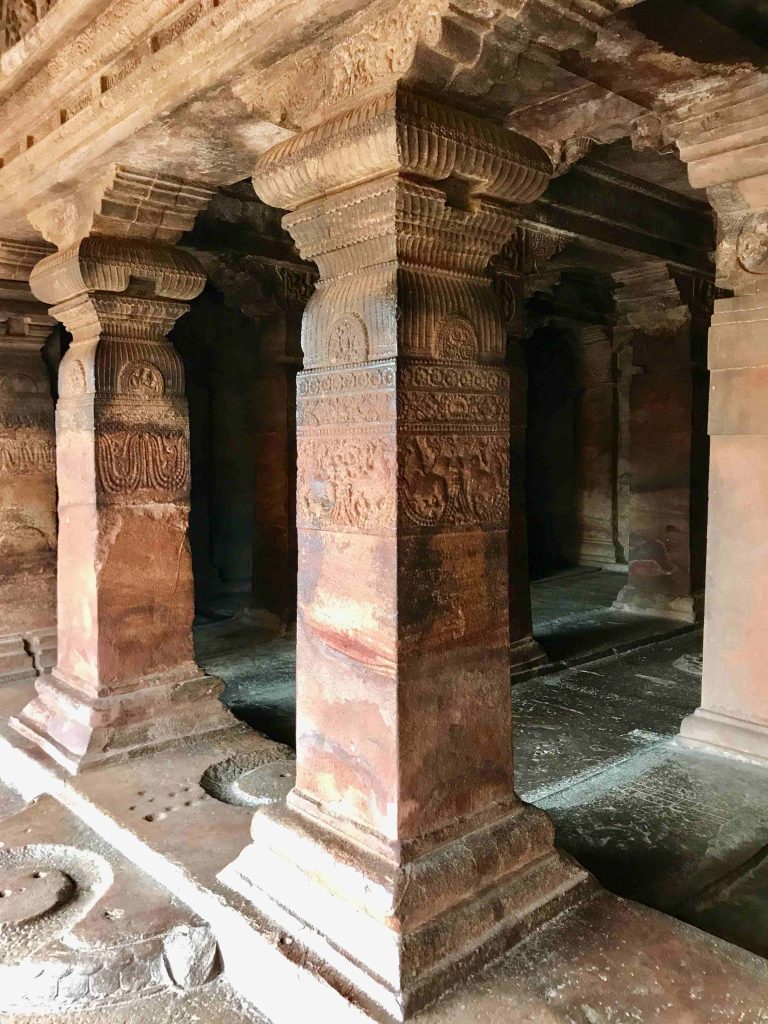
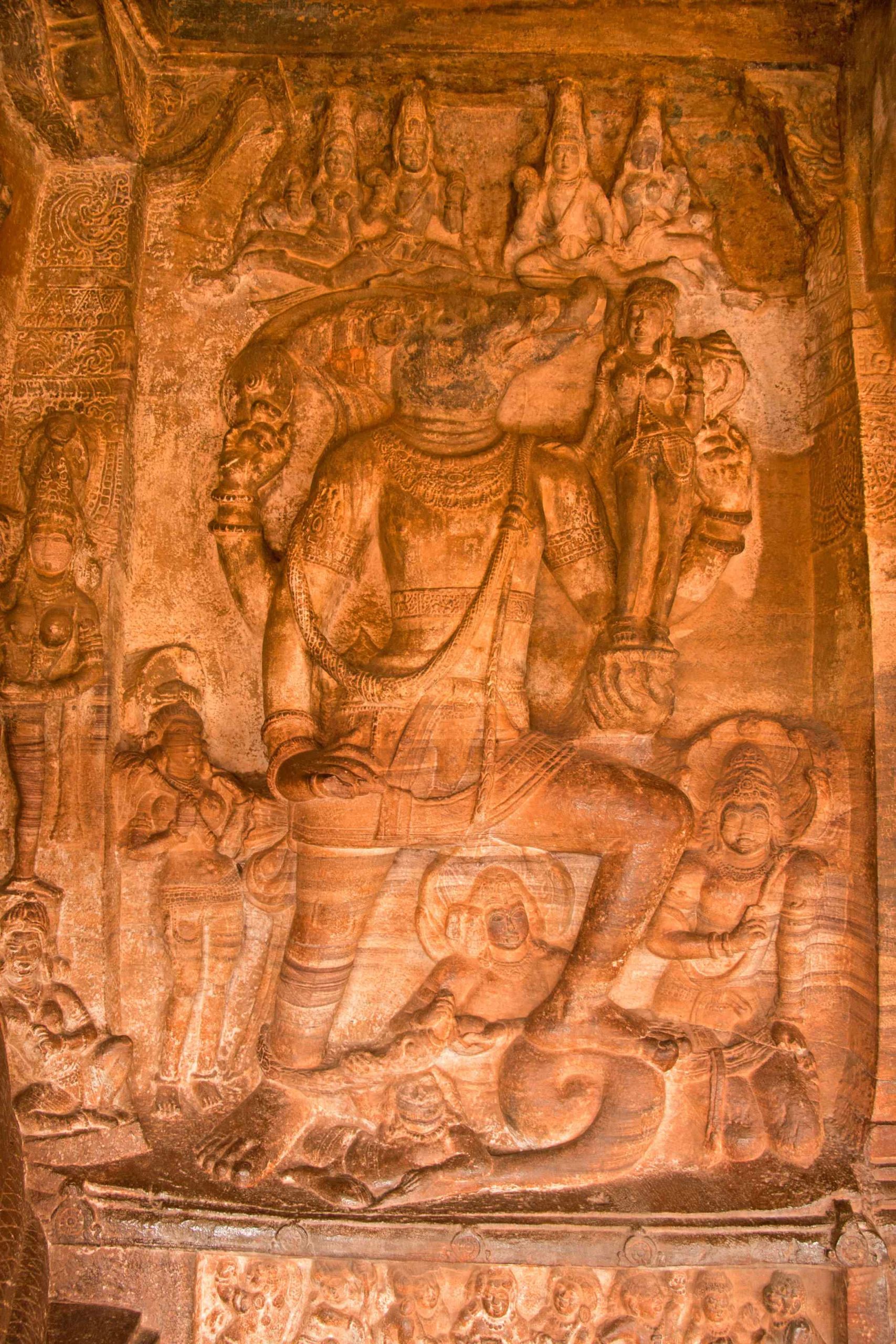
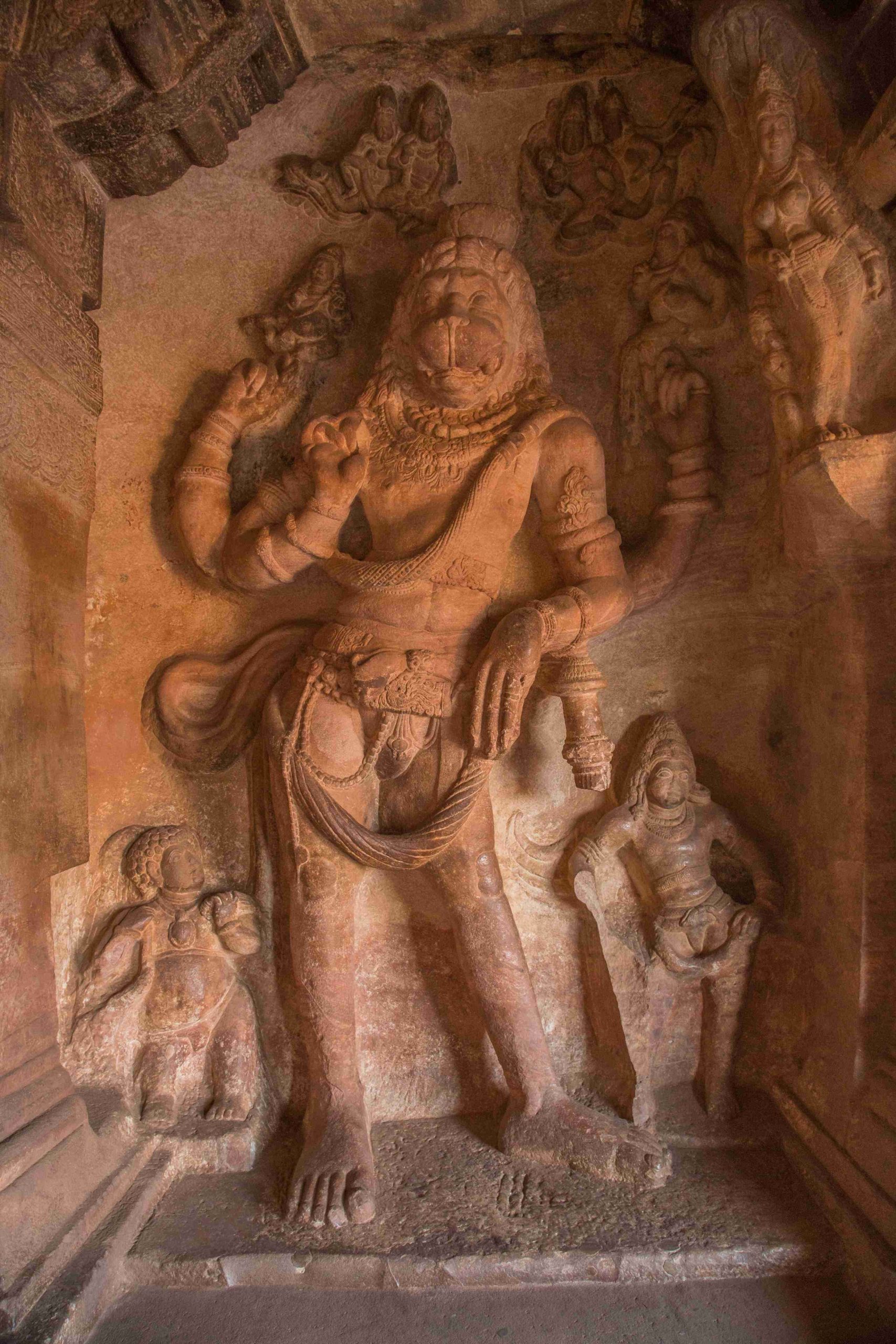
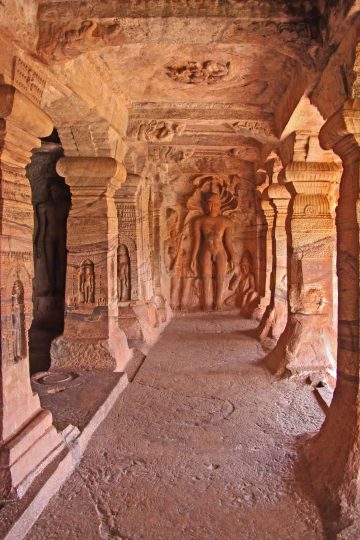
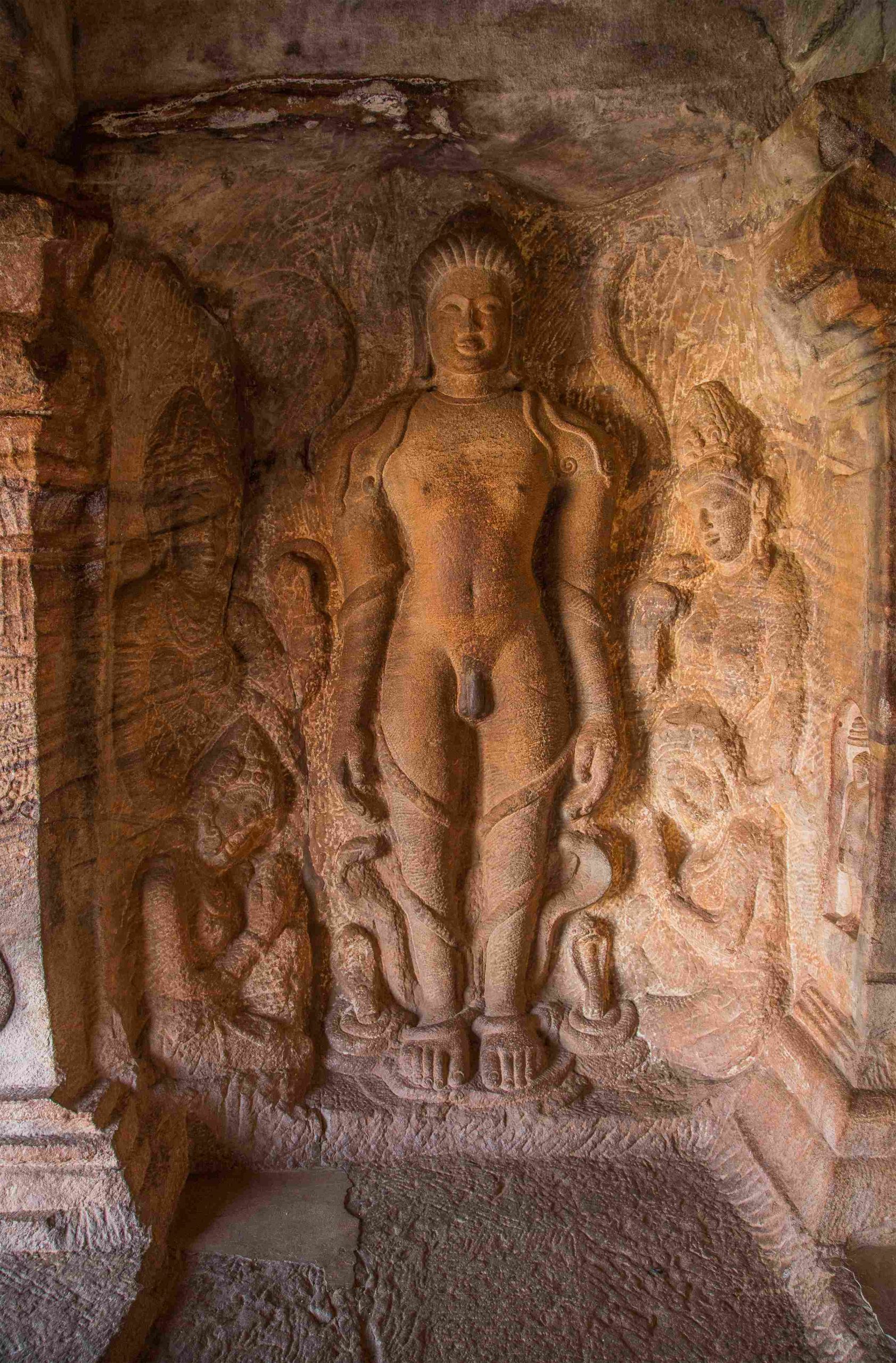
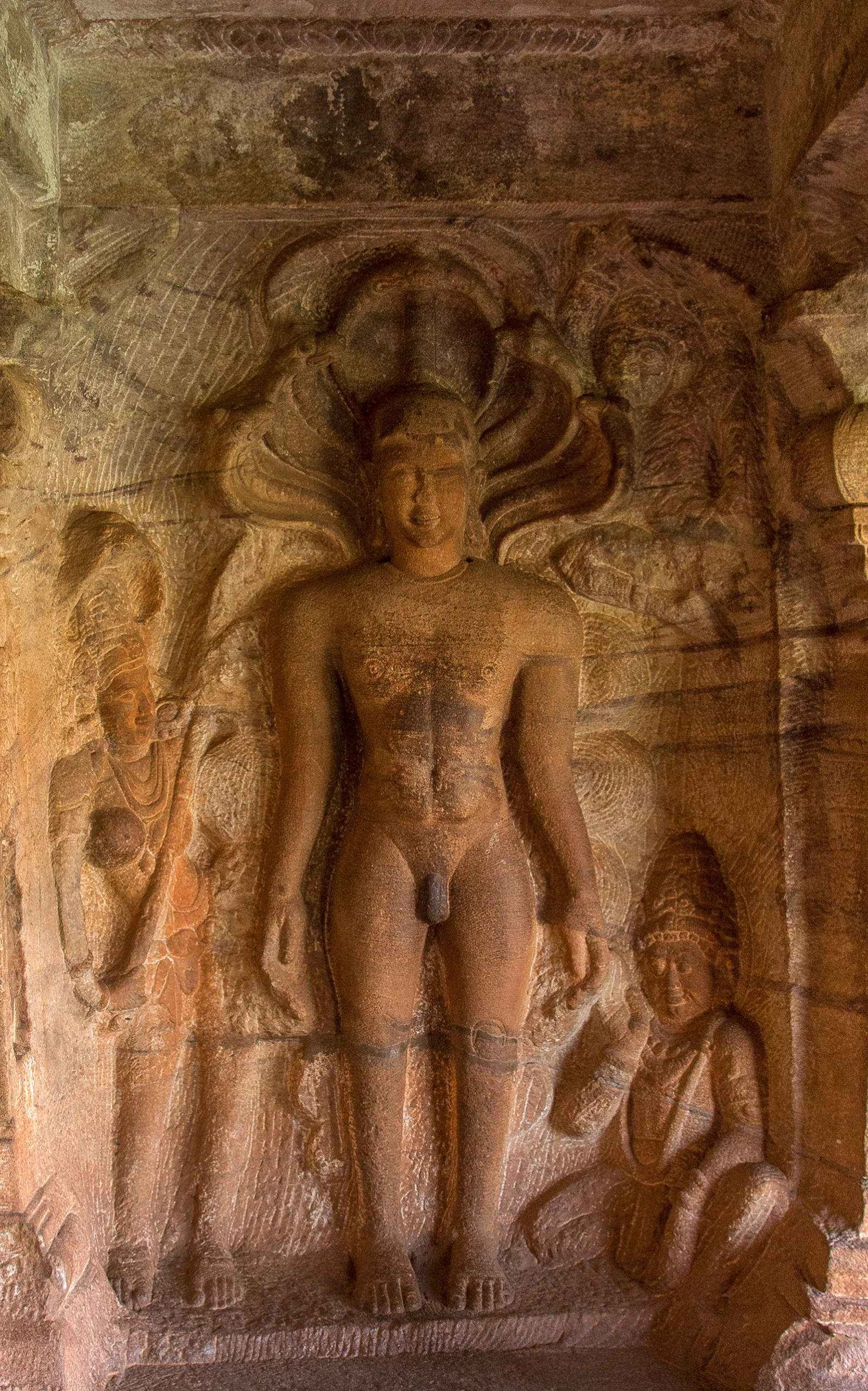
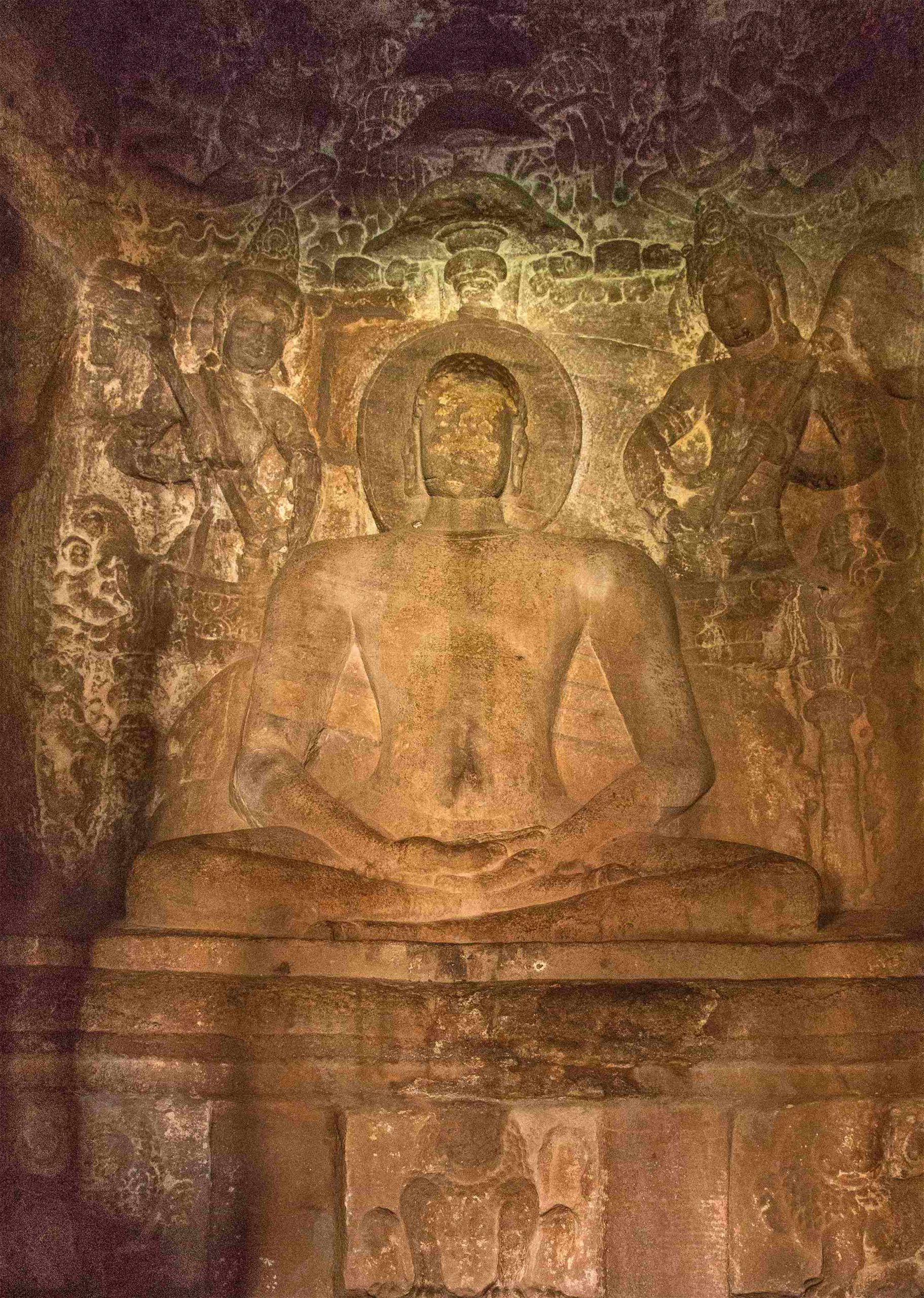
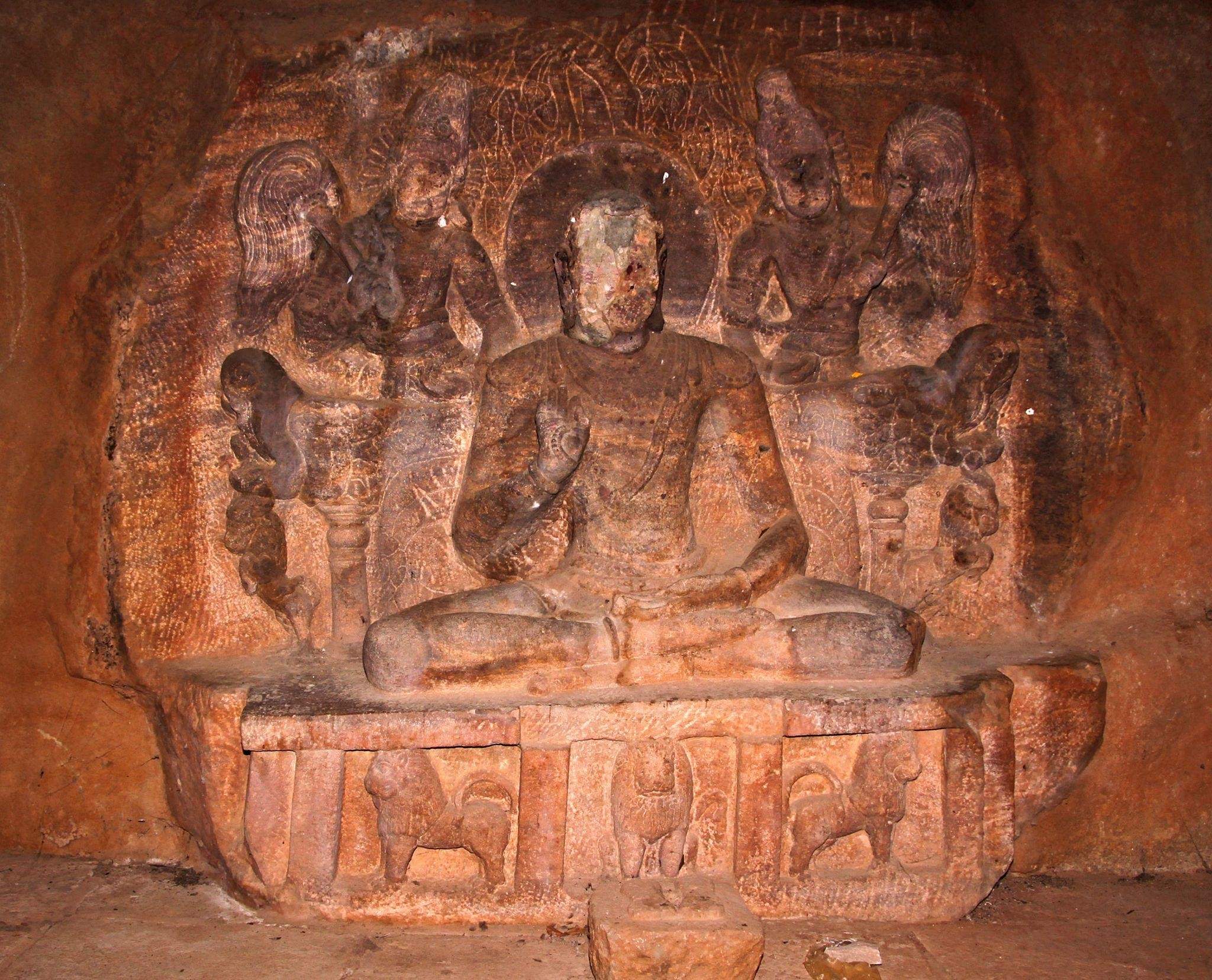
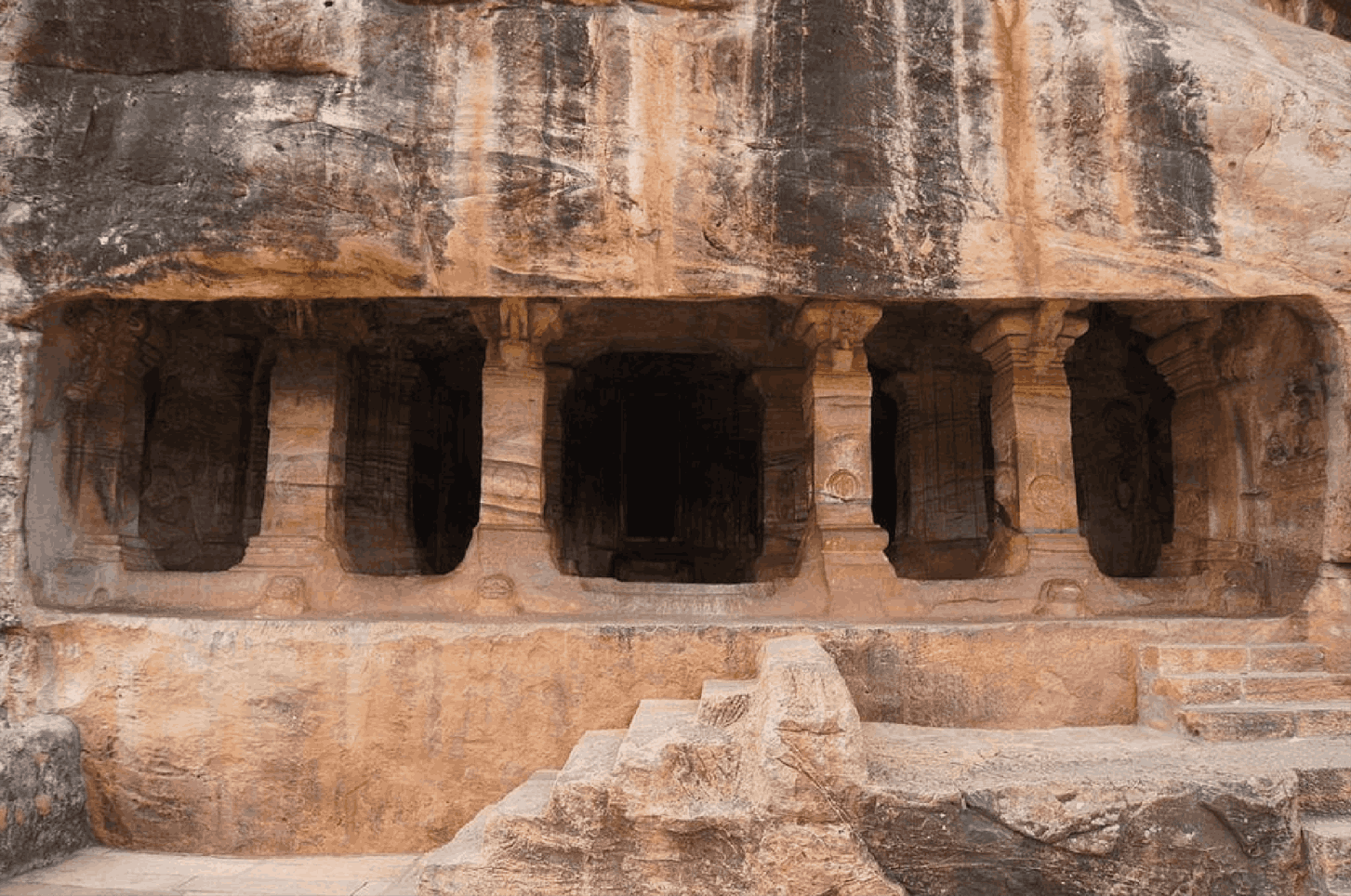
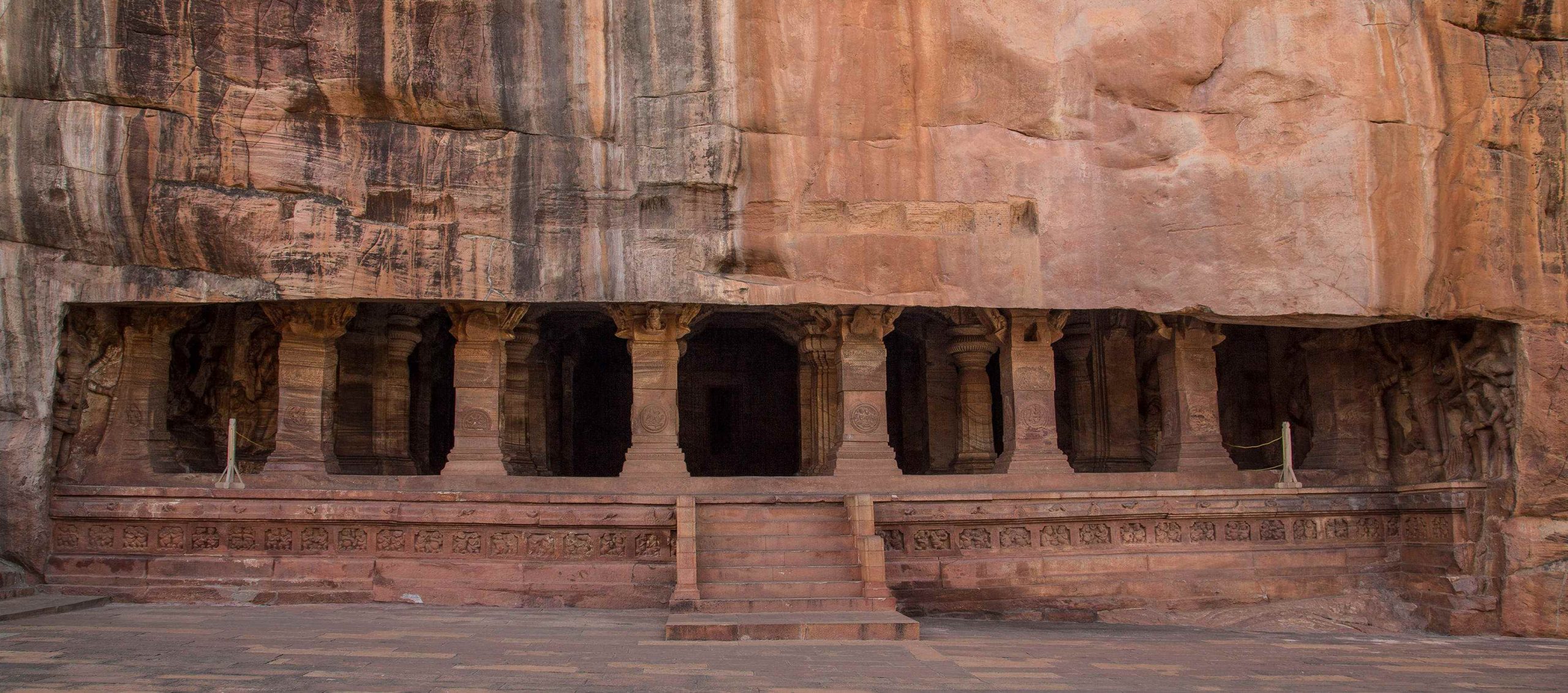
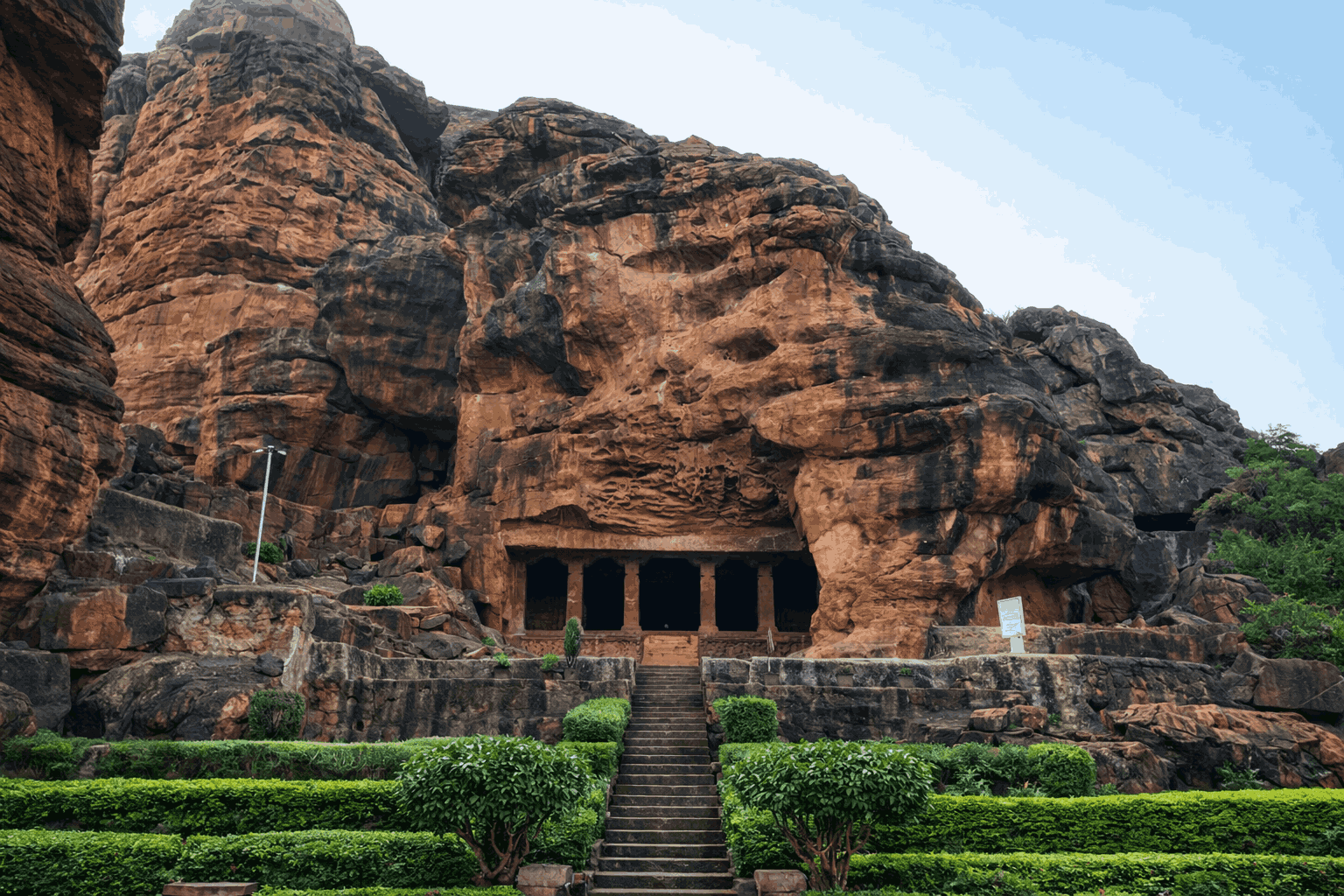
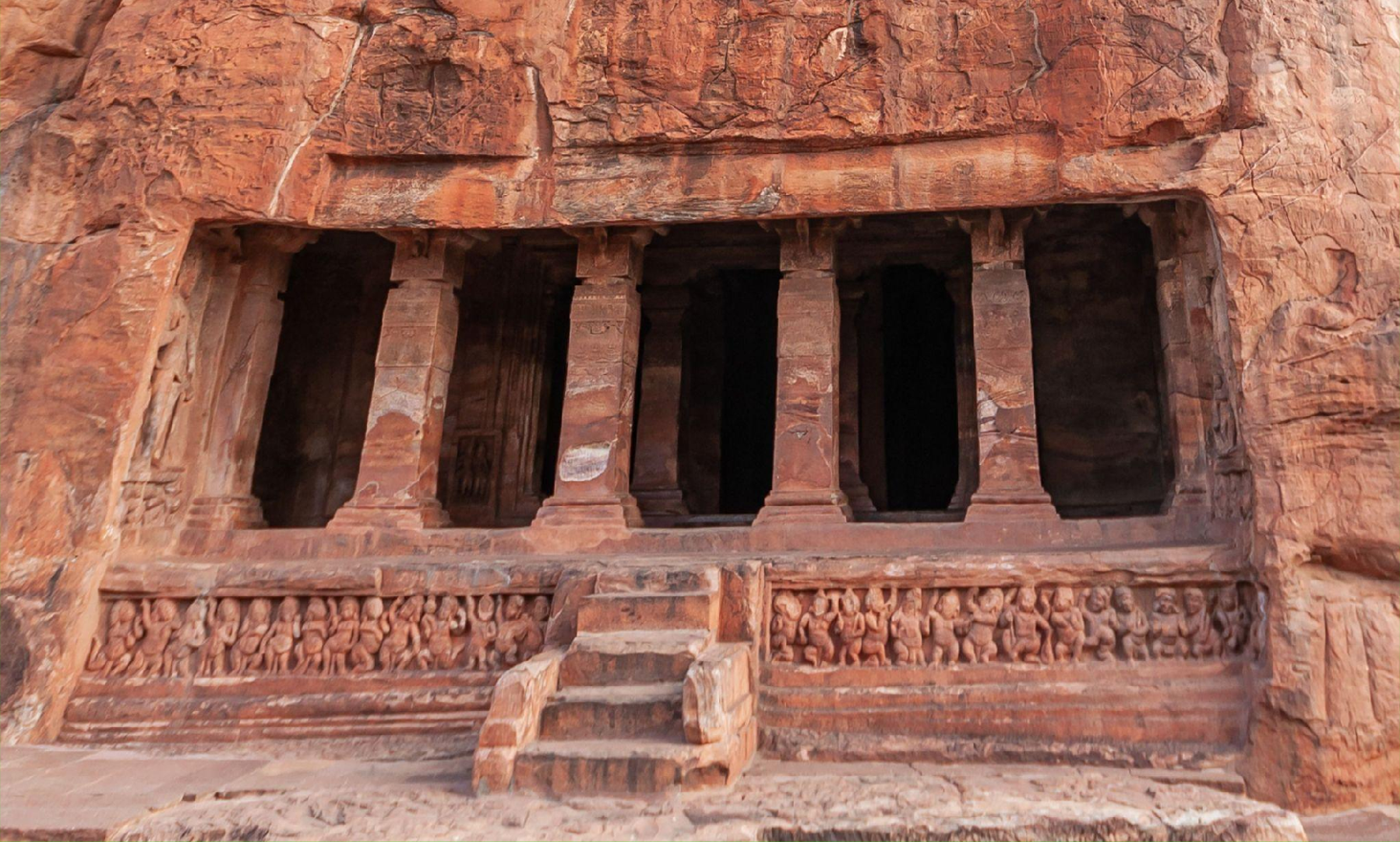
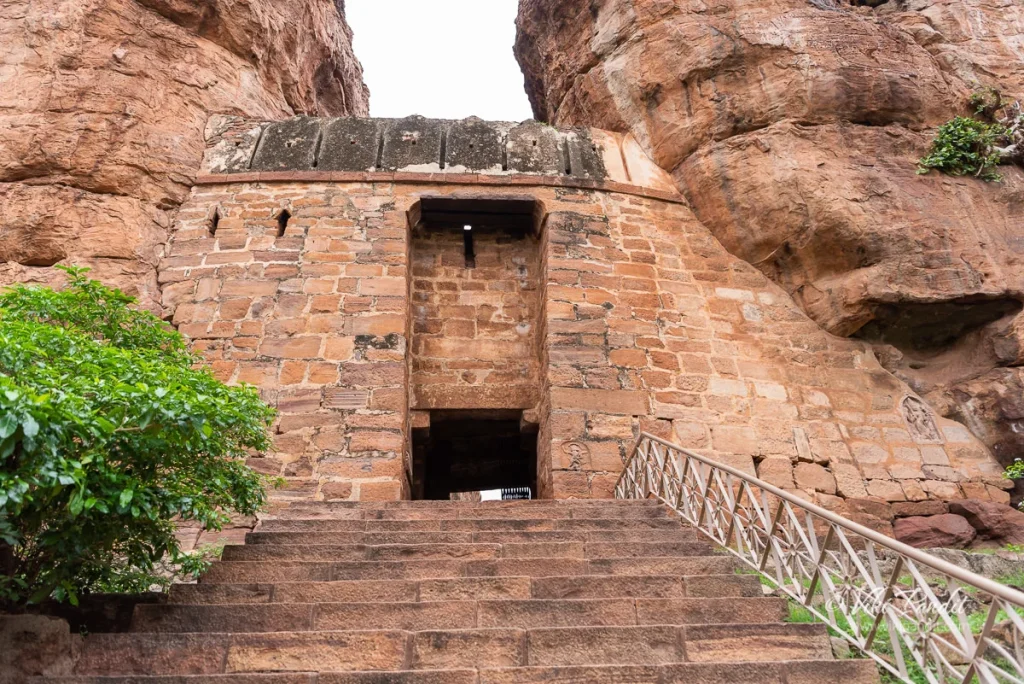
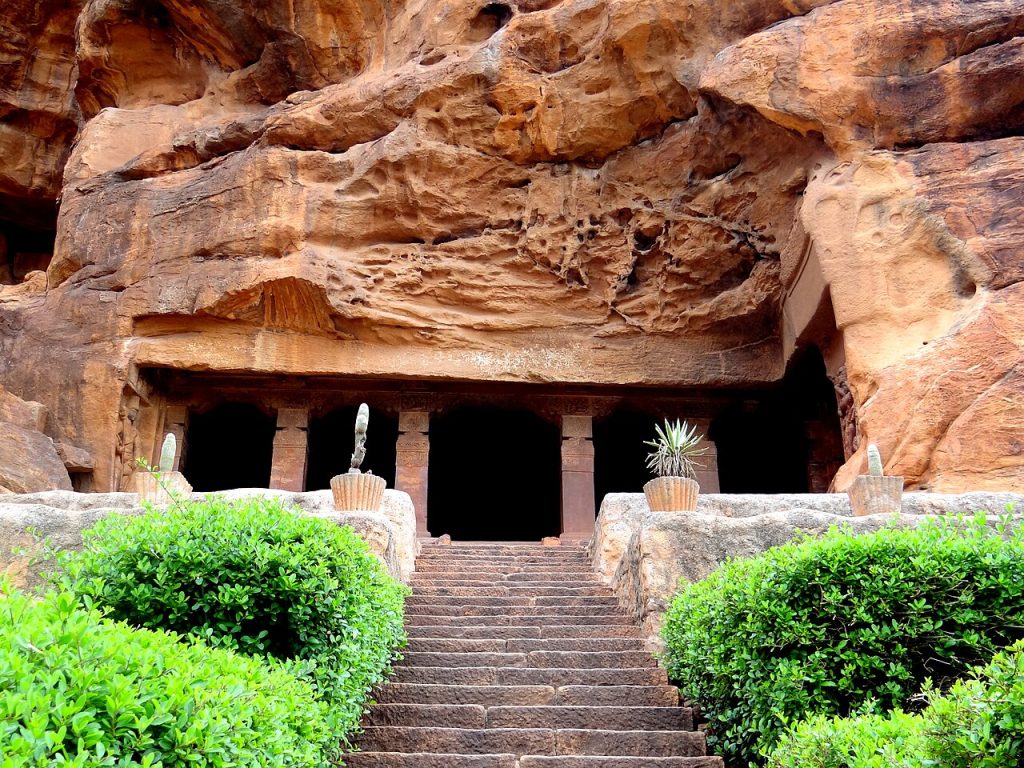
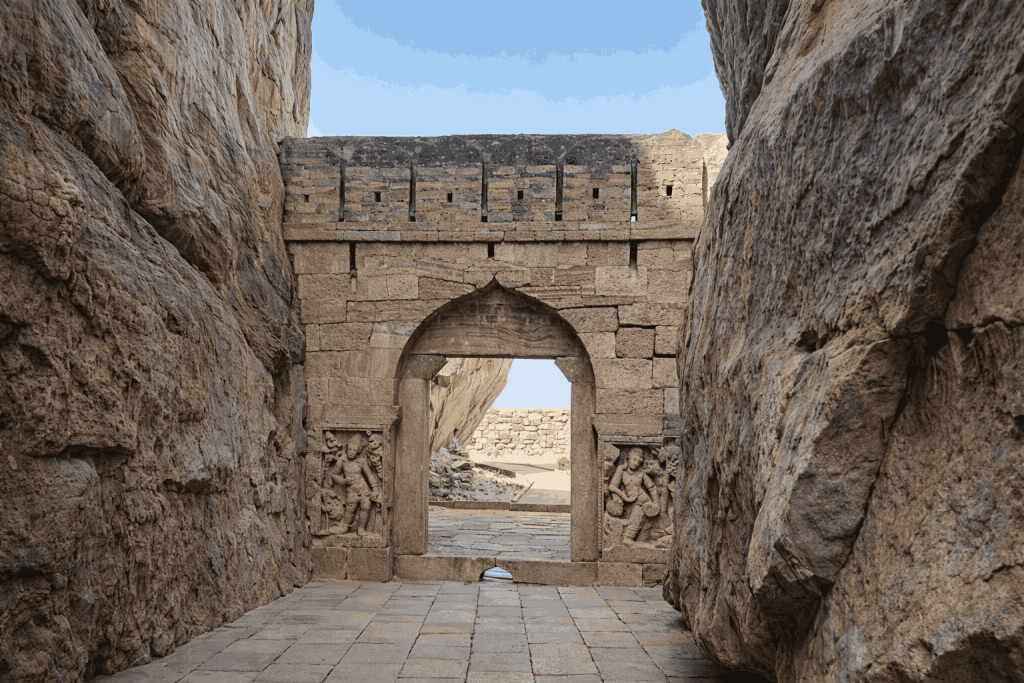
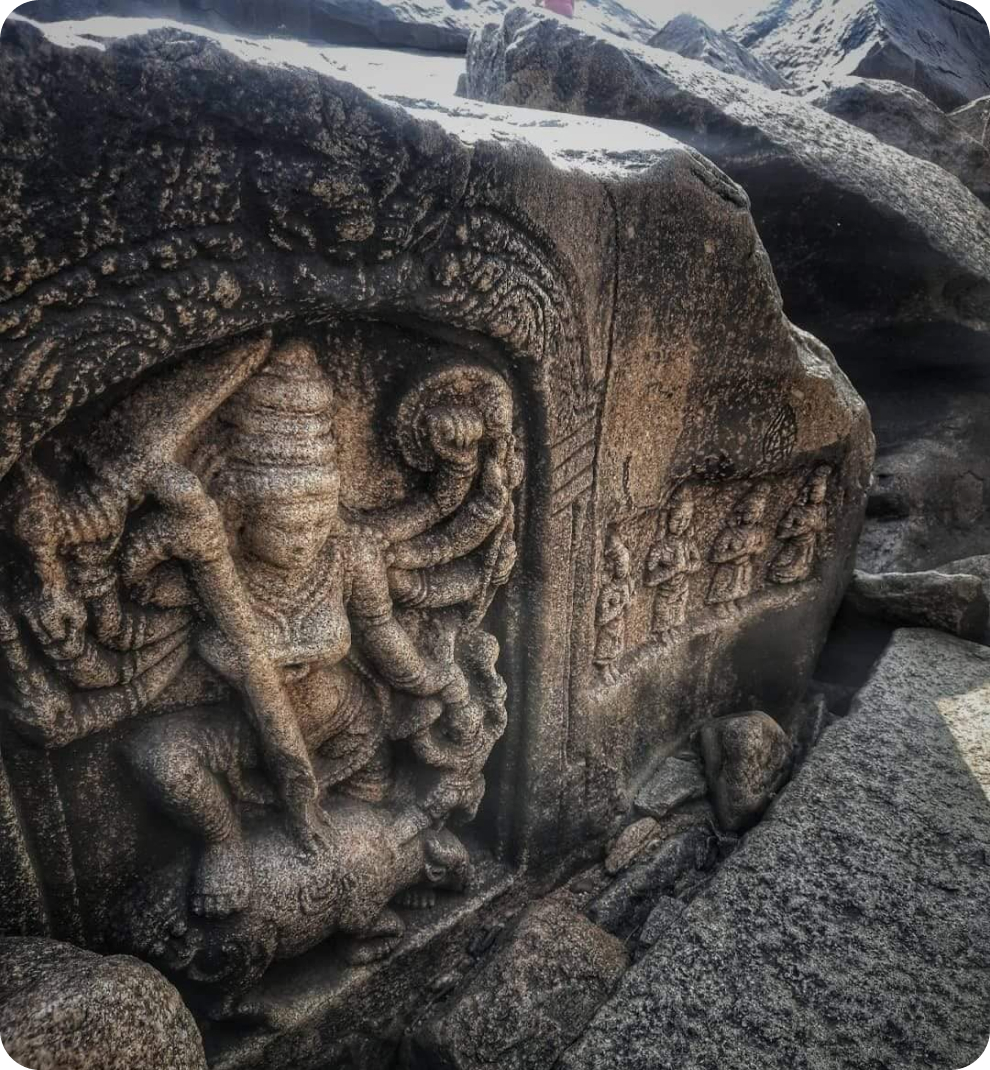
The Udayagiri Caves, located near Vidisha in Madhya Pradesh, are a remarkable complex of twenty rock-cut caves primarily dedicated to Hindu deities Viṣṇu and Śiva, dating from the early 3rd century CE to the 5th century CE. Renowned for housing some of the oldest surviving Hindu temples and iconography in India, they provide an invaluable glimpse into ancient religious and artistic traditions. The site is distinguished by its monumental relief sculptures, particularly the depiction of Viṣṇu's Varāha incarnation, and contains significant inscriptions from the Gupta dynasty, specifically from the reigns of Chandragupta II and Kumaragupta I. Managed by the Archaeological Survey of India, Udayagiri is not only an important Hindu and Jain pilgrimage site but also a crucial subject for archaeological research due to its rock shelters, petroglyphs, and historical ruins. The name "Udayagiri," meaning "sunrise mountain," reflects the region's ancient solar worship traditions, predating even the Buddhist prominence evidenced by nearby sites like Sanchi and the Heliodorus pillar. Set in a rocky ridge near the Betwa River, Udayagiri's geographical and cultural significance is further accentuated by its proximity to notable historical landmarks and its strategic location relative to the Tropic of Cancer, making it a sacred site for millennia.